
Designing Spaces That Support Healing
What defines exceptional mental and behavioral healthcare? Skilled, compassionate providers, adequate resources, and equitable access. While all of these factors are essential, one key consideration is often left out of the conversation: the space where care is delivered.
Behavioral health needs are influencing nearly every area of healthcare. While dedicated treatment spaces remain critical, emergency departments, clinics, and hospitals of all types are increasingly caring for patients experiencing behavioral health challenges. As these needs evolve, healthcare environments must support both clinical care and the human experience.
For providers, that means creating spaces that promote safety, flexibility, and dignity while allowing caregivers to respond effectively to a wide range of patient needs. Thoughtful design can improve workflows and create environments where patients and families feel supported during some of their most vulnerable moments.
As a trusted healthcare partner throughout the Midwest, CMBA Architects approaches behavioral health design with the understanding that every project has unique goals and challenges. The most successful solutions begin with listening—understanding how providers work, how patients experience care, and how the environment can support both.
Designing for Safety
When behavioral health needs require dedicated spaces, thoughtful planning is essential to create environments that support patients while helping caregivers provide safe, effective care.
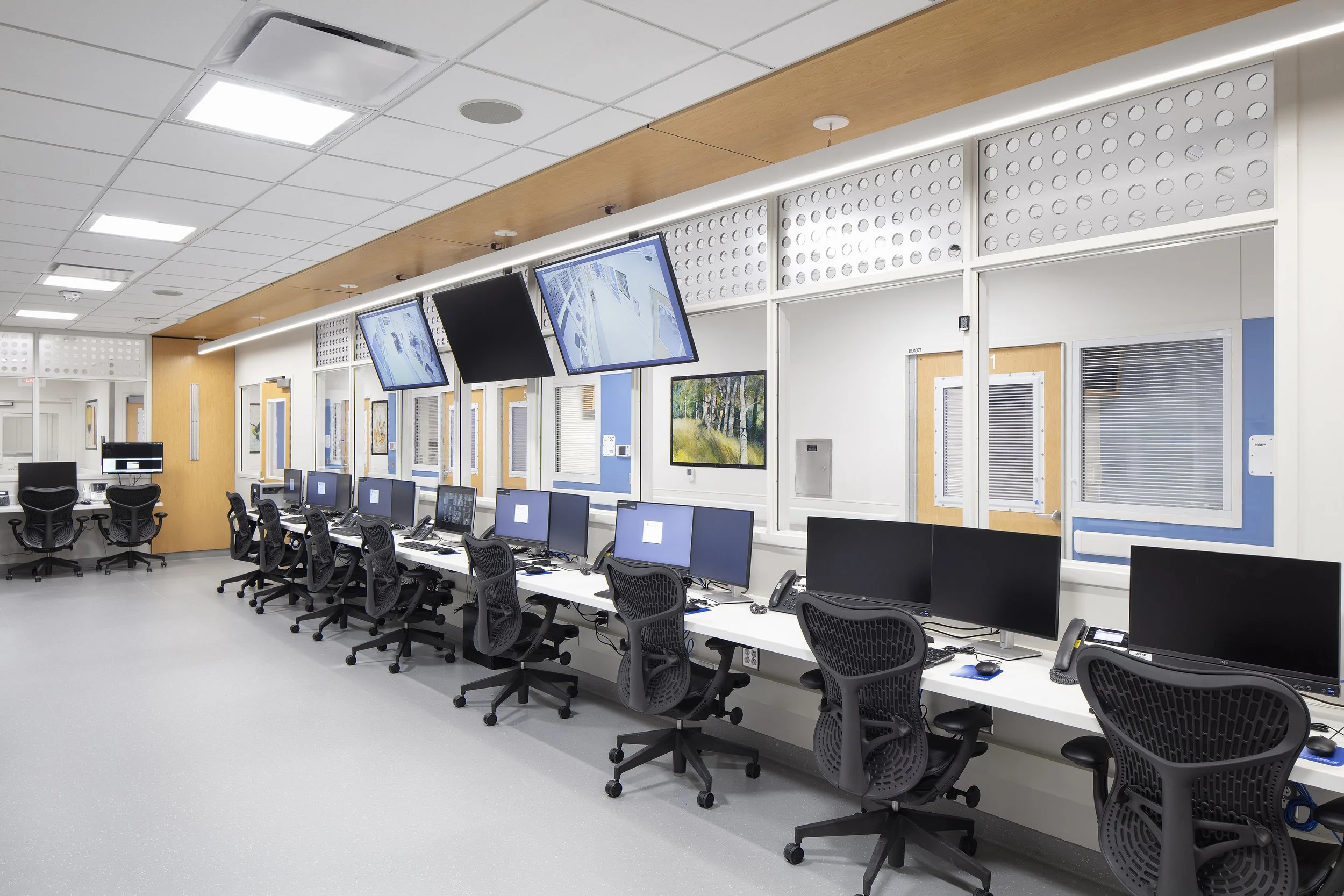
For the University of Iowa Health Care John Colloton Pavilion Emergency Department expansion in Iowa City, CMBA designed a dedicated Behavioral Health Unit along with adult and adolescent critical stabilization units. The approximately 18,600 square-foot project was developed around the unique needs of behavioral health patients, incorporating considerations for patient monitoring, staff visibility, circulation, and security.
By studying patient demographics, lengths of stay, and treatment workflows, the design team created spaces that support efficient operations while providing an environment tailored to behavioral health care.
Preparing Every Healthcare Environment
Behavioral health design is no longer limited to specialized units. Increasingly providers need everyday spaces, such as emergency departments and exam rooms, that are prepared to safely serve patients experiencing behavioral health challenges.
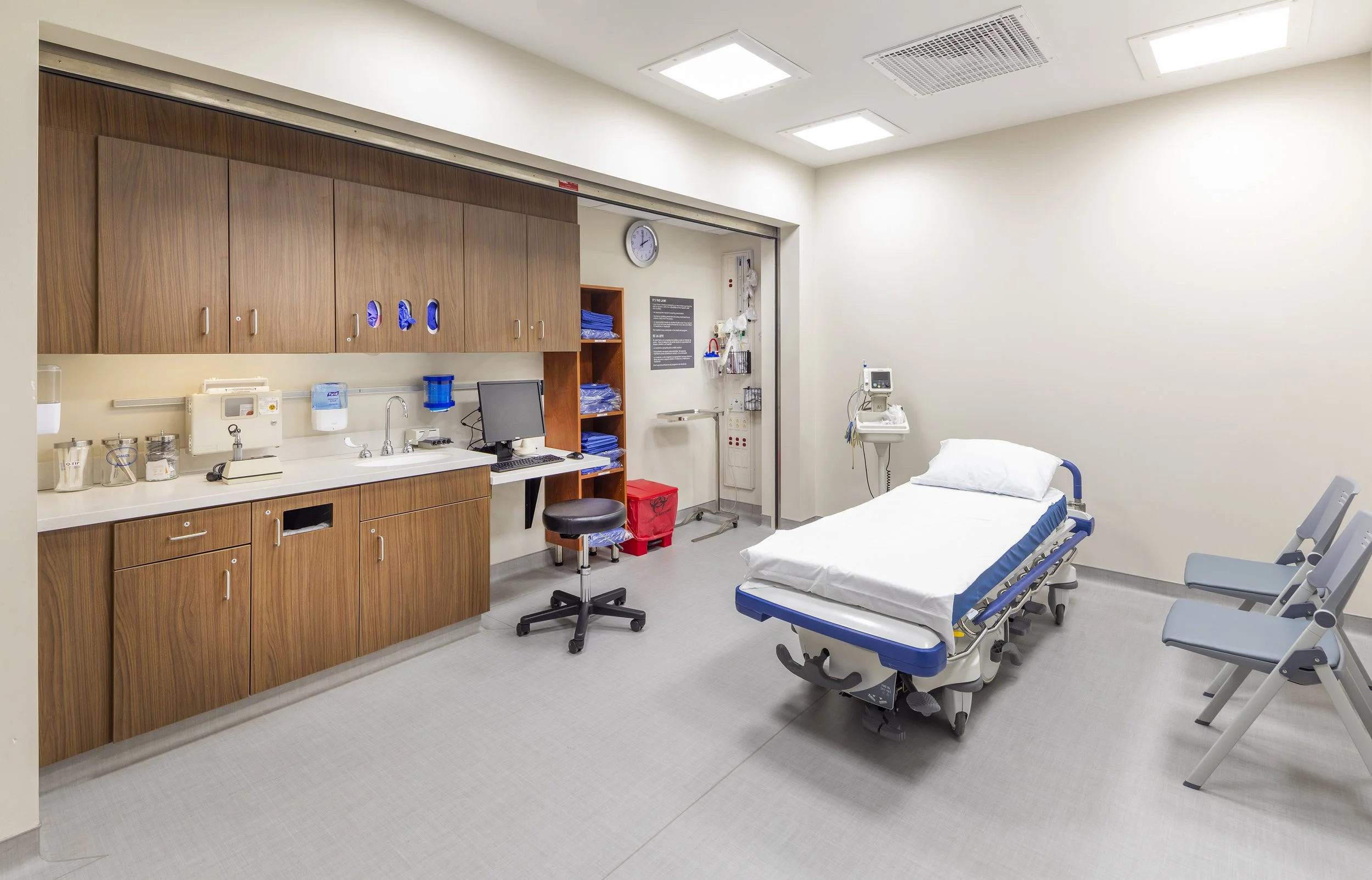
At Burgess Health Center, CMBA incorporated behavioral health considerations into traditional emergency department exam rooms, creating flexible spaces that support a broad range of patient needs. Attention to safety features, visibility, materials, and room configuration allows caregivers to respond effectively while maintaining a welcoming environment for every patient.
This reflects a larger shift in healthcare design: behavioral health principles are becoming an essential part of creating adaptable care environments.
Designing With People in Mind
While safety and operational efficiency are critical, successful behavioral health design ultimately begins with people. Effective healthcare environments balance clinical requirements with the patient experience through thoughtful consideration of privacy, natural light, acoustics, intuitive circulation, and calming materials.
These details influence how patients experience care and how confidently staff members can provide it. When spaces are designed with empathy and purpose, they become more than places where treatment occurs; they become environments that support healing.
Behavioral healthcare requires collaboration, compassion, and a deep understanding of the people being served. At CMBA, every healthcare project begins with people. When the needs of a community are understood, the spaces we create become tools that help caregivers do their best work.
By designing healthcare environments that prioritize safety, flexibility, and human connection, CMBA helps providers strengthen their mission and create spaces that support better care, today and into the future.