
Research
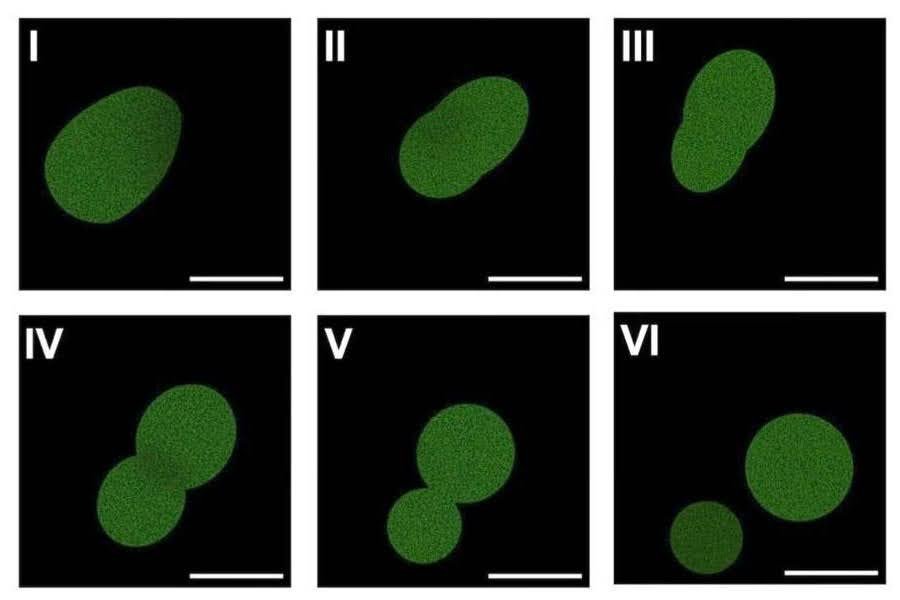
While many of the mysteries of life remain unsolved, every biologist can describe the basic processes performed by a living organism, which include energy use, reproduction, growth and development. While these characteristics can be replicated in isolation in a lab, the idea of a completely synthetic biological organism has long been relegated to science fiction.
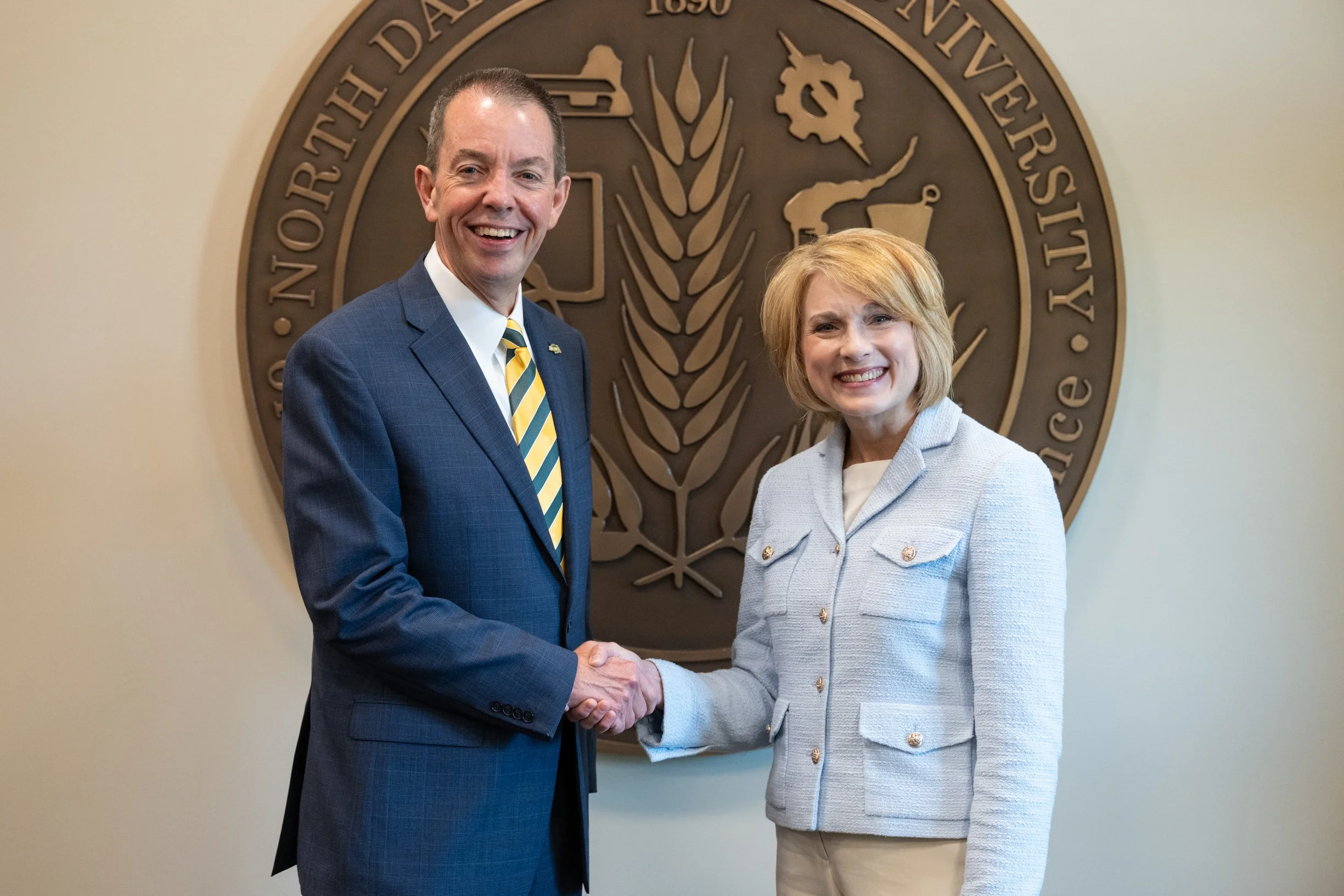
NDSU and Sanford Health are launching a research collaboration to evaluate factors that may affect the outcomes of next-generation GLP-1 obesity-management medications. The project is funded by a $210,000 investment from NDSU, Sanford Health and the North Dakota Department of Health and Human Services is designed to foster collaboration among research scientists with diverse expertise and backgrounds across both organizations.

A University of Minnesota Medical School research team was awarded a 5-year, $3.8 million grant from the National Institute of Allergy and Infectious Diseases to study early immune responses in the lung and how they influence tuberculosis infection outcomes.
For 24 years, Walking Forward has worked to close the gap in cancer outcomes for American Indian communities across western South Dakota. Now, the nationally recognized program is joining Monument Health once again, bringing more than two decades of community-based cancer navigation, research and education work under the health system and strengthening its ability to serve patients across western South Dakota and eastern Wyoming.

Nearly one in five Americans lives with a mental health condition, yet myths and misinformation continue to shape how people seek — or avoid — care. During Mental Health Awareness Month in May, University of Minnesota experts are setting the record straight with evidence-based research, new treatments and workforce innovations that are changing how mental health conditions are understood and treated.
As people across the nation navigate higher levels of stress and spend more of their day sitting, finding time to move can feel challenging. Less than half of adults and fewer than one in five children in the U.S. get the recommended amount of physical activity needed for heart health, according to the American Heart Association’s 2025 Heart & Stroke Statistical Update. That’s why the Association invites communities nationwide to gather on Wednesday, April 1 for National Walking Day.

Earlier this year, SDAHO launched an updated and expanded LifeCircle website, making it easier than ever to find resources, education, and opportunities to stay engaged.
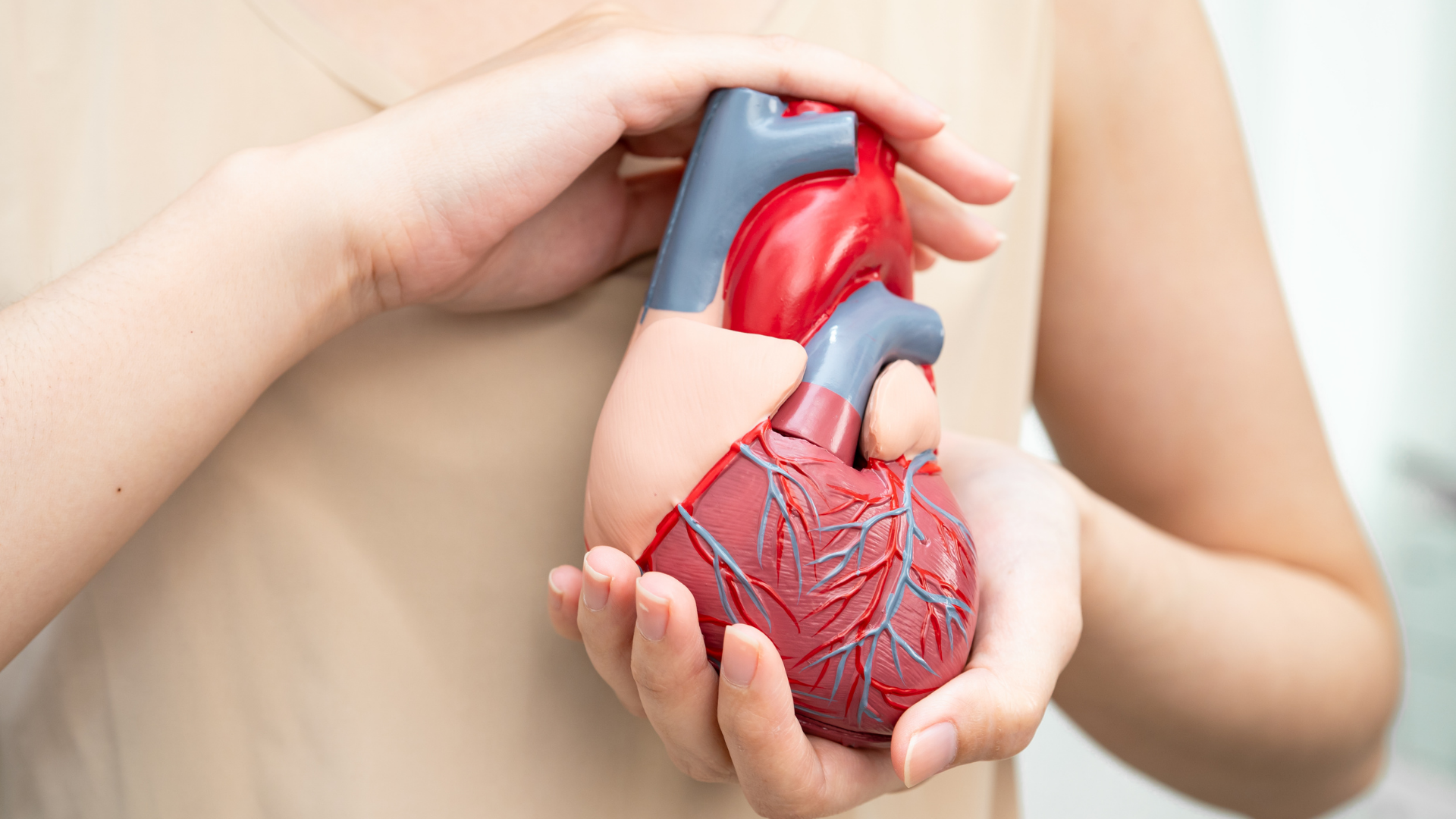
Driven by rising rates in high blood pressure, nearly 6 in 10 women in the U.S. will have some type of cardiovascular disease (CVD) in the next 25 years, according to a new scientific statement published today in Circulation, the peer-reviewed, flagship journal of the American Heart Association, a global force changing the future of health for all.

Having had a stroke caused by blocked blood vessels (ischemic stroke) more than doubled an expectant mother’s odds of having another stroke during pregnancy and within six weeks of childbirth, according to a preliminary study presented at the American Stroke Association’s International Stroke Conference 2026. The meeting was in New Orleans, Feb. 4-6, 2026, and is a world premier meeting for researchers and clinicians dedicated to the science of stroke and brain health.
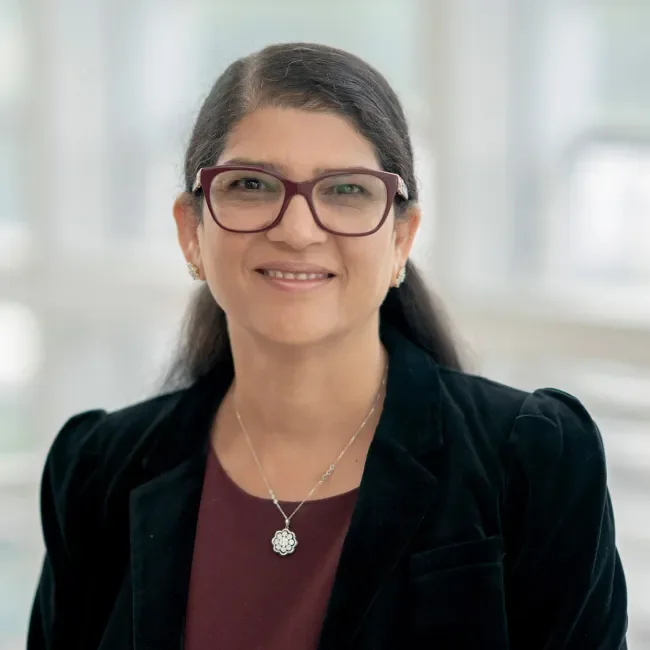
When Sarosh Rana, MD, MPH, FACOG, stepped into her new role as the University of Nebraska Medical Center’s chair of obstetrics and gynecology, she did so with a clear sense of urgency — and a proven record of translating urgency into action.

Light intensity activities, like walking or household chores, were linked to a lower risk of death for people with cardiovascular-kidney-metabolic (CKM) syndrome, according to new research published today in the Journal of the American Heart Association, an open access, peer-reviewed journal of the American Heart Association.

Long-term heart disease risk in women diagnosed with uterine fibroids was more than 80% higher than in women without fibroids, according to new independent research published today in the Journal of the American Heart Association, an open access, peer-reviewed journal of the American Heart Association.

Like all living things, bacteria adapt to survive. Over time, bacteria have been developing resistance to common antibiotics and disinfectants, which poses a growing problem for healthcare and sanitation. However, many species of bacteria are beneficial and even essential for human health. What if there was a way to change the behavior of bacteria in the body to prevent illness and poor health outcomes?
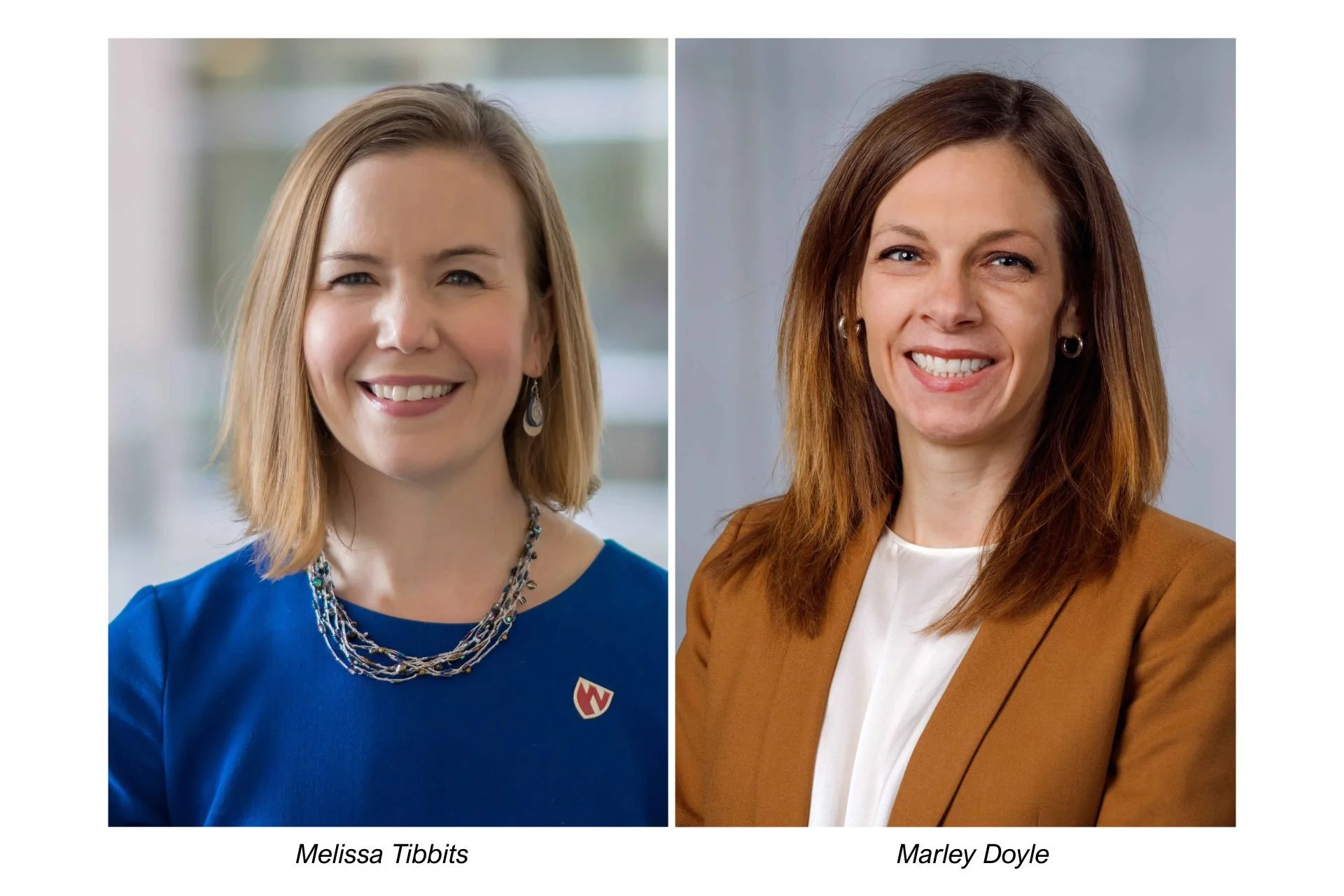
A new report from the Behavioral Health Education Center of Nebraska (BHECN) shows that Nebraska has made steady progress in addressing behavioral health workforce shortages—including in rural areas—but that more work remains to bridge the gap between available services and residents’ needs.

The University of Minnesota’s Center for Infectious Disease Research and Policy (CIDRAP) today announced the launch of a new Coronavirus Vaccines R&D Roadmap (CVR) Initiative digital home, a global, open-access platform designed to track scientific progress toward the development of broadly protective coronavirus vaccines.

For decades, Americans have been advised that cutting fat was key for a heart-healthy diet, spurring an industry of low-fat dairy products. A new generation of nutrition research is challenging some of those long-held beliefs — suggesting that for dairy products, the overall effects of whole-fat varieties on heart health may be positive.

Sanford Researcher Pilar de la Puente, PhD, is revolutionizing women's cancer research with groundbreaking work on chemoresistance and early detection. Her innovative approach has earned elite NIH recognition, accolades from her home town in Spain, and even the chance to featured in a comic book!

Early detection is key to breast cancer survival. But nearly half of all women in the U.S. have dense breast tissue, which can make detecting breast cancer difficult with a mammogram. Mayo Clinic researchers found that adding another test, called molecular breast imaging, or MBI, to a 3D mammogram improved the ability to find cancer in dense tissue by more than double.

Michael J. Welsh, MD, a UI professor and proud Iowa native, has received America’s preeminent biomedical research prize—the 2025 Lasker-DeBakey Clinical Medical Research Award—for his pioneering discoveries in cystic fibrosis (CF) research, which paved the way for life-saving therapies for people with CF.

For many years the South Dakota Association of Healthcare Organizations (SDAHO) has participated as a host organization for the Maternal and Child Health Careers: Research Initiatives for Student Enhancement Undergraduate Program (MCHC/RISE-UP) Program, through a partnership with the University of South Dakota (USD) Center for Disabilities. The RISE-UP Program provides opportunities for enhanced public health leadership training in maternal and child health, focusing on social determinants of health, elimination of health disparities, and developmental disabilities.

For more than a year, Nebraska Medicine has participated in the Genetic Insights Project (GIP), a research study that screens eligible participants for three CDC Tier 1 genomic conditions. Now, new data shows that GIP participants demonstrate improved cancer screening adherence after enrollment.

Powassan virus, a cousin to Zika and Dengue in the flavivirus family, is a rare tick-borne infection that is becoming more widespread in the northern U.S. Powassan symptoms include fever, nausea and headaches. In severe cases, it can lead to brain swelling and potentially be fatal. Given how dangerous this virus is, it can only be studied in special, high-security labs.

Boys Town is pleased to announce that Giorgia Picci, Ph.D., has been named the Susan and George Haddix Endowed Chair in Developmental Neuroscience. Dr. Picci is the Director of the Cognitive Affective Neurodevelopment in Youth (CANDY) Laboratory at the Boys Town National Research Hospital Institute for Human Neuroscience.

Interventional Cardiologist and Vascular Specialist Bhaskar Purushottam, M.D., FACC, FSCAI, FSVM, of the Monument Health Heart and Vascular Institute has co-authored an original research paper along with his European colleagues in the reputed “Journal of Endovascular Therapy.”

In a landmark study, researchers at the University of Nebraska Medical Center developed a novel mouse model of Alzheimer’s disease that, for the first time, enables the study of how the human immune system interacts with Alzheimer’s pathology.

Less than half of adults and fewer than one in five children in the U.S. get the recommended amount of physical activity needed for heart health, according to the American Heart Association’s 2025 Heart & Stroke Statistical Update. That’s why the Association, a global force changing the future of health for all, invites communities nationwide are invited to gather on Wednesday, April 2 for National Walking Day – to raise awareness of the powerful benefits of regular movement.

Bhaskar Purushottam, M.D., FACC, FSCAI, FSVMB recently presented two original research studies and one complex case at the Leipzig Interventional Course (LINC), the world's largest endovascular conference with nearly 5,000 attendees from over 70 countries.

The disparities between men and women in prevalence, risk factors and symptoms of peripheral vascular disease (PVD) have a profound impact on prevention, diagnosis, treatment and outcomes for women, according to a new American Heart Association scientific statement published today in the Association’s flagship, peer-reviewed journal Circulation.

Kyle Roux, Ph.D., scientist and vice president of biomedical research at Sanford Research, recently received recognition as a Lifetime Fellow of the American Society for Cell Biology (ASCB).

Progress in assessing cardiovascular risk and identifying early prevention opportunities, improvements in treating heart failure, new therapies for bleeding strokes, strategies for reducing the life-threatening risks of cardiogenic shock and a growing list of the wide-ranging benefits for anti-obesity medications were among the significant scientific research developments in the fight against heart disease and stroke that emerged in 2024.