
Nurturing New Nurses: How USD's DOL Grant Tackles the Shortage Behind South Dakota's Nursing Shortage
By Alex Strauss
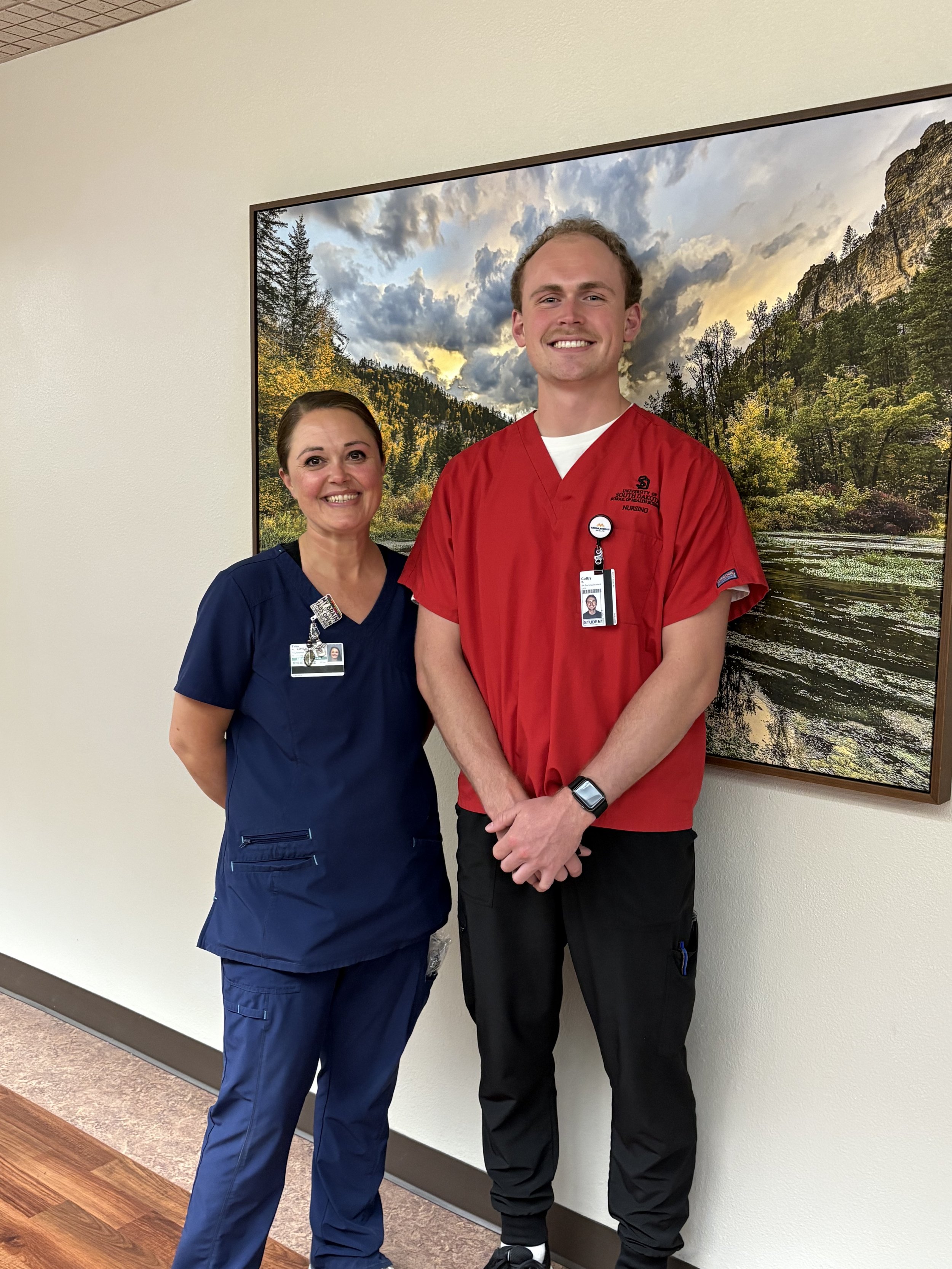
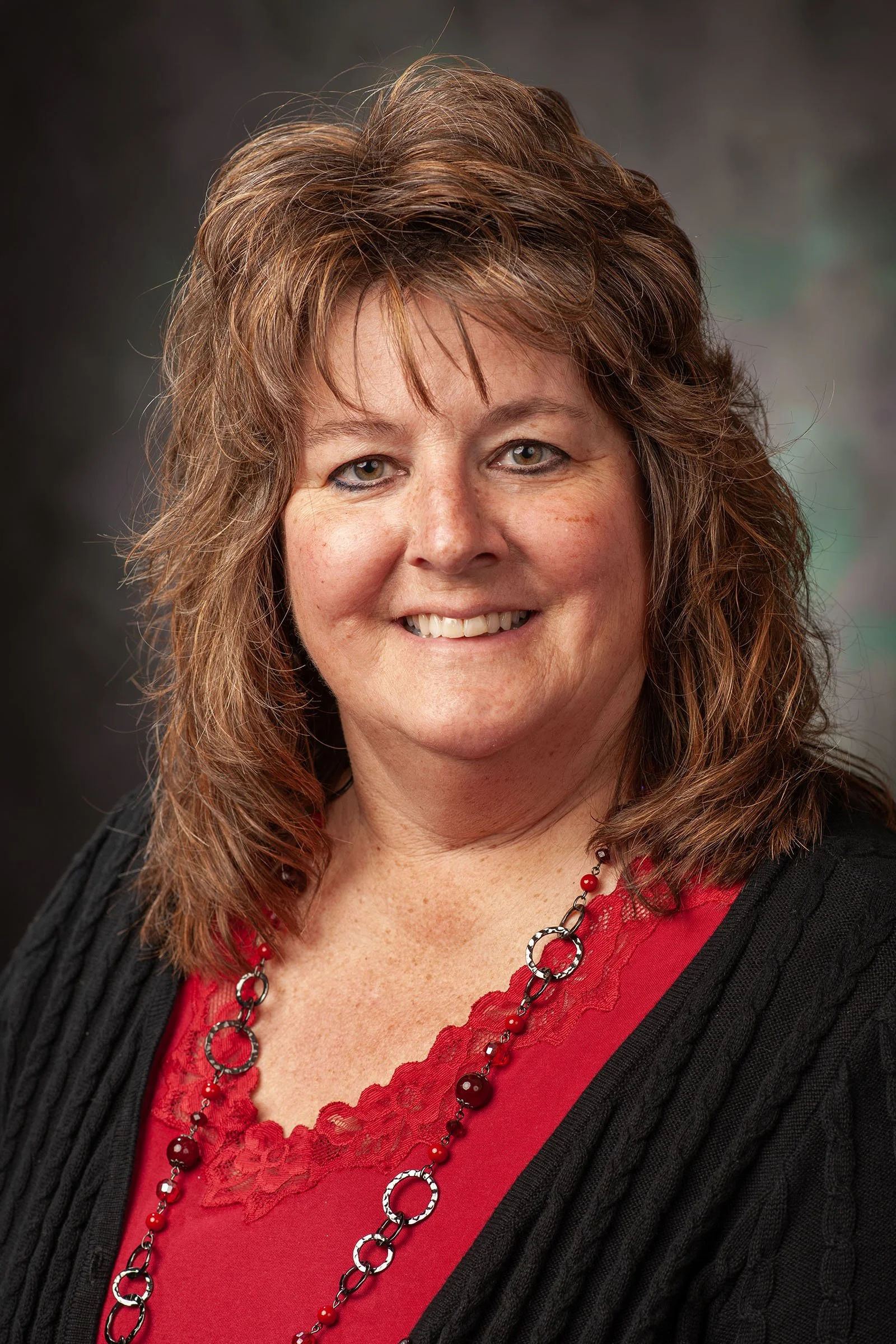
When we spoke with Deb Fischer-Clemens, president of the South Dakota Nurses Association, this summer, she was just back from a trip to the American Nurses Association conference in Washington, D.C. One stand-out statistic was fresh in her mind:
"I was shocked to learn that 25% of Gen Z nurses will leave in their first year," she says.
But the problem is actually bigger than that in South Dakota. Because the state doesn't just have too few nurses; it has too few people left standing who can serve as preceptors for the nurses coming up behind them, giving them the foundation and support that can keep them on the job.
That 'shortage behind the shortage' is exactly what Fischer-Clemens has been asked to help solve. A member of USD's federally funded South Dakota Nursing Network (SDNN), she sits on the committee focused on mentoring, with a particular eye on behavioral health nursing and the state's rural and frontier facilities, the places where the gaps are widest.
The Changing Environment
The problem started well before COVID but, as with many things in healthcare, COVID made it worse.
"The pandemic scared a lot of people away from the profession and they didn't come back," says Dawn Warren, a member of the nursing faculty at USD and principal investigator on the project funded by a $3 million Department of Labor workforce grant. The grant accounts for half of the $6 million USD has received to help find solutions to healthcare workforce challenges in the state.
Warren says many of the nurses who left during COVID took with them years of experience, leaving the state with not only fewer nurses but also fewer seasoned nurses to serve as educators. And Fischer-Clemens says the ones who remain are working in a vastly different environment than the one she knew.
"When I was running a 40-bed department, people stayed in the hospital longer. There were more inpatient surgeries. A person with a knee replacement didn't even get out of their bed at the hospital for a week," she says.
"But now, nurses are getting people in and discharging other people every day. The whole work environment has totally changed."
Shifting Expectations
Meanwhile, some of the students walking into that faster, more chaotic environment seem to expect something it can't reliably give them.
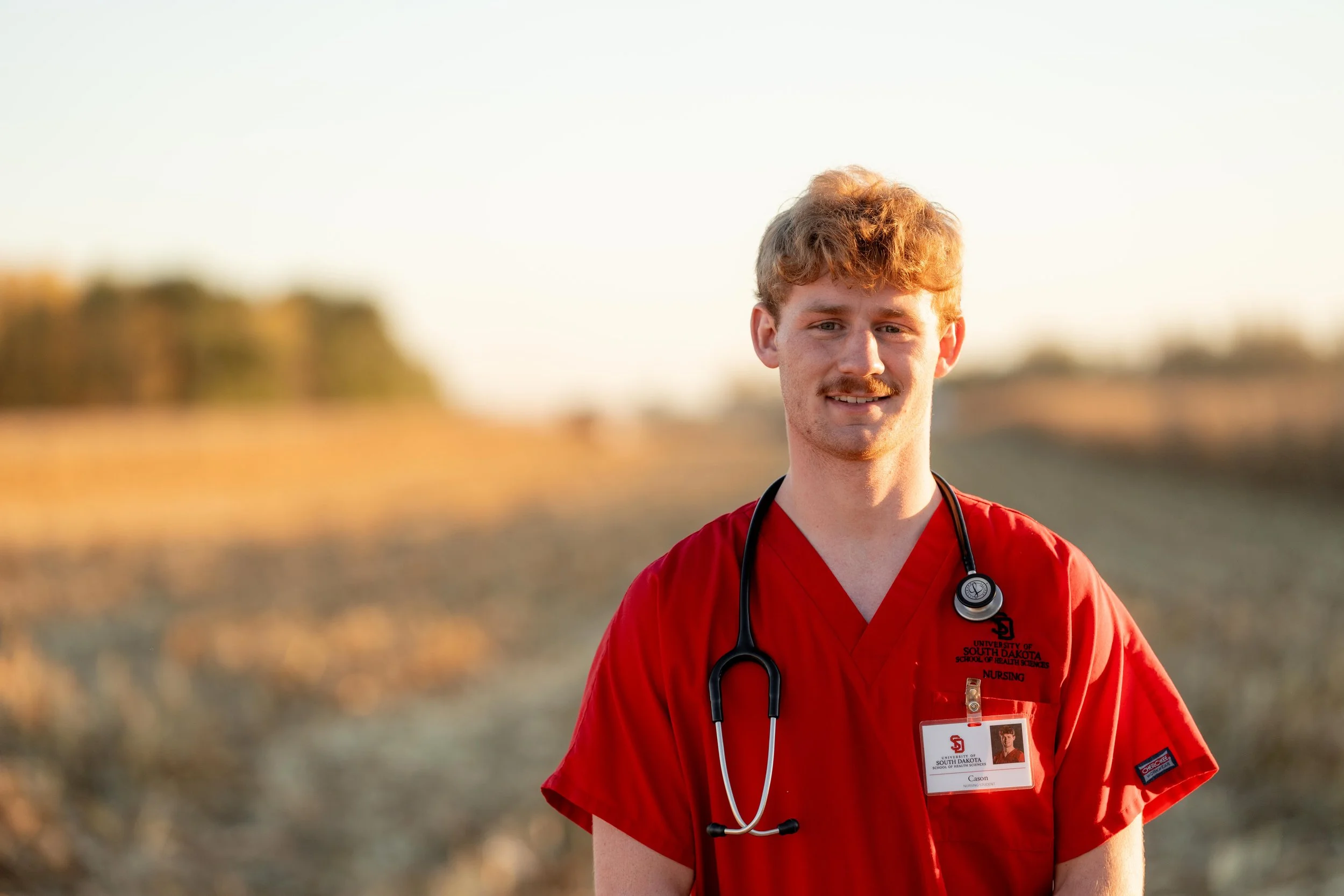
"I think they sometimes have an unrealistic expectation of what mentoring should look like," says Fischer-Clemens. "They want to be with someone who is kind and upbeat all the time. In the work environment, that is not always possible."
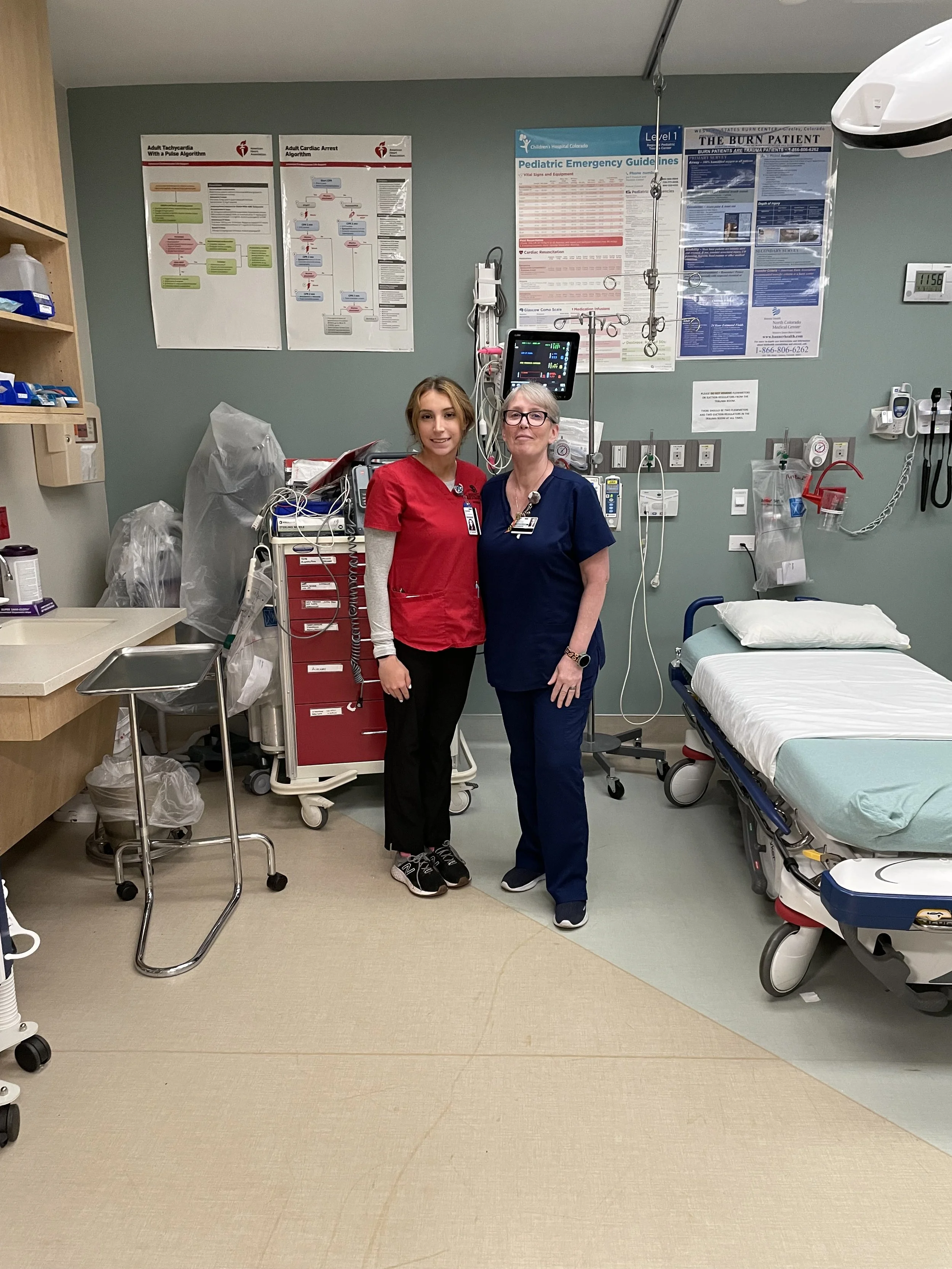
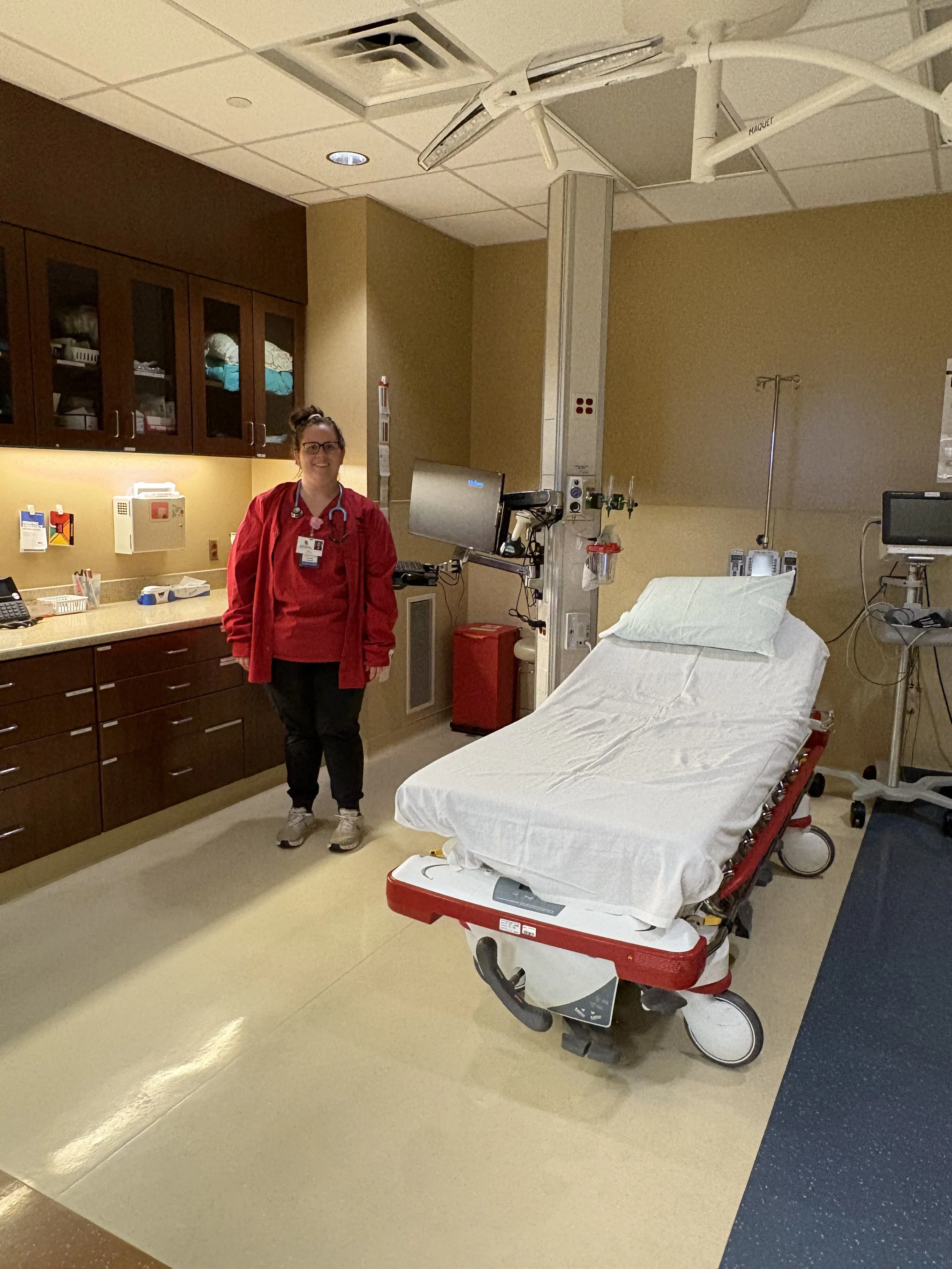
Preceptors don't get paid. And what the job actually looks like depends heavily on where it is happening. In a large hospital, there may be six or eight students on a busy unit at the same time, making it hard to form personal connections and get or give support.
A small hospital can't host as many students, but the few nurses who are there may be overworked and overwhelmed. And some may ask, 'What's in it for me?'
"Especially for newer nurses, it can be very stressful to also have to serve as a preceptor," says Fischer-Clemens.
The Power of Appreciation
The committee on mentoring and preceptorship is one of four grant-funded action teams focused on different aspects of the state's nursing shortage. Although the South Dakota board of nursing already offers a preceptor training program, Fischer-Clemens' committee has recommended that the hospitals establish their own training, as well, to help support preceptors.
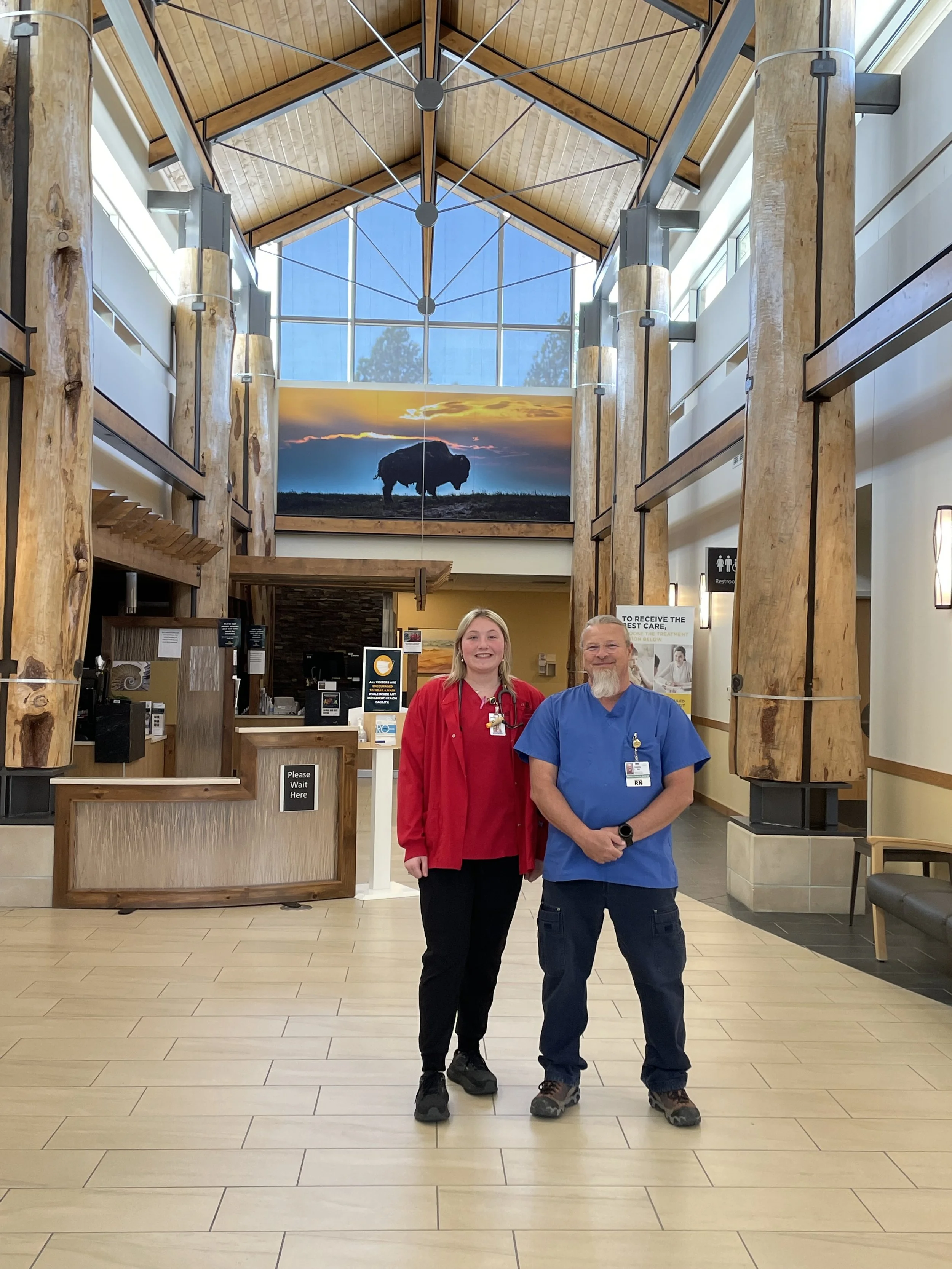
But one of the simplest approaches to the issue has turned out to be one of the most effective. USD now asks nursing students to write award nominations for the preceptors who trained them. The winners are recognized publicly and thanked personally.
"It makes students really think about what it takes to be a preceptor and what their preceptor should be," says Fischer-Clemens. "To me, the best outcome is what the students are writing about their mentors. That has really changed the environment and made it a lot more positive. That was not the way it was in the beginning."
Ongoing Need
Of course, none of this happens in a vacuum. USD works directly with South Dakota's major health systems to understand where the gaps are widest and how fast they're growing. Those relationships are what lets the university aim its limited resources where they'll make the most difference.
Thanks to tuition support and living expense vouchers made possible by the DOL grant, 130 nurses are either in the pipeline or have graduated. The hope is, not only will they stay in the field, but that some of them will choose to be mentors themselves.
With USD's support and the gradual shift in attitudes, both Warren and Fischer-Clemens are cautiously optimistic about the future of South Dakota nursing and nursing education.
"Our efforts have been very successful so far and we have a great team," says Warren. "Even when this grant funding runs out, I think we'll continue to see people want to become nurses. For the foreseeable future, there's going to continue to be a huge need for both nurses and nurse educators."