
Trinity Regional Medical Center Uses AI to Catch Colon Cancer Early
In an effort to catch colon cancer early, UnityPoint Health – Trinity Regional Medical Center is using GI Genius™ technology during colonoscopies. The computer-assisted tool uses artificial intelligence, or AI, to help doctors see small or hard-to-spot polyps in real time during a colonoscopy. Finding and removing these growths early can help prevent colorectal cancer before it starts.
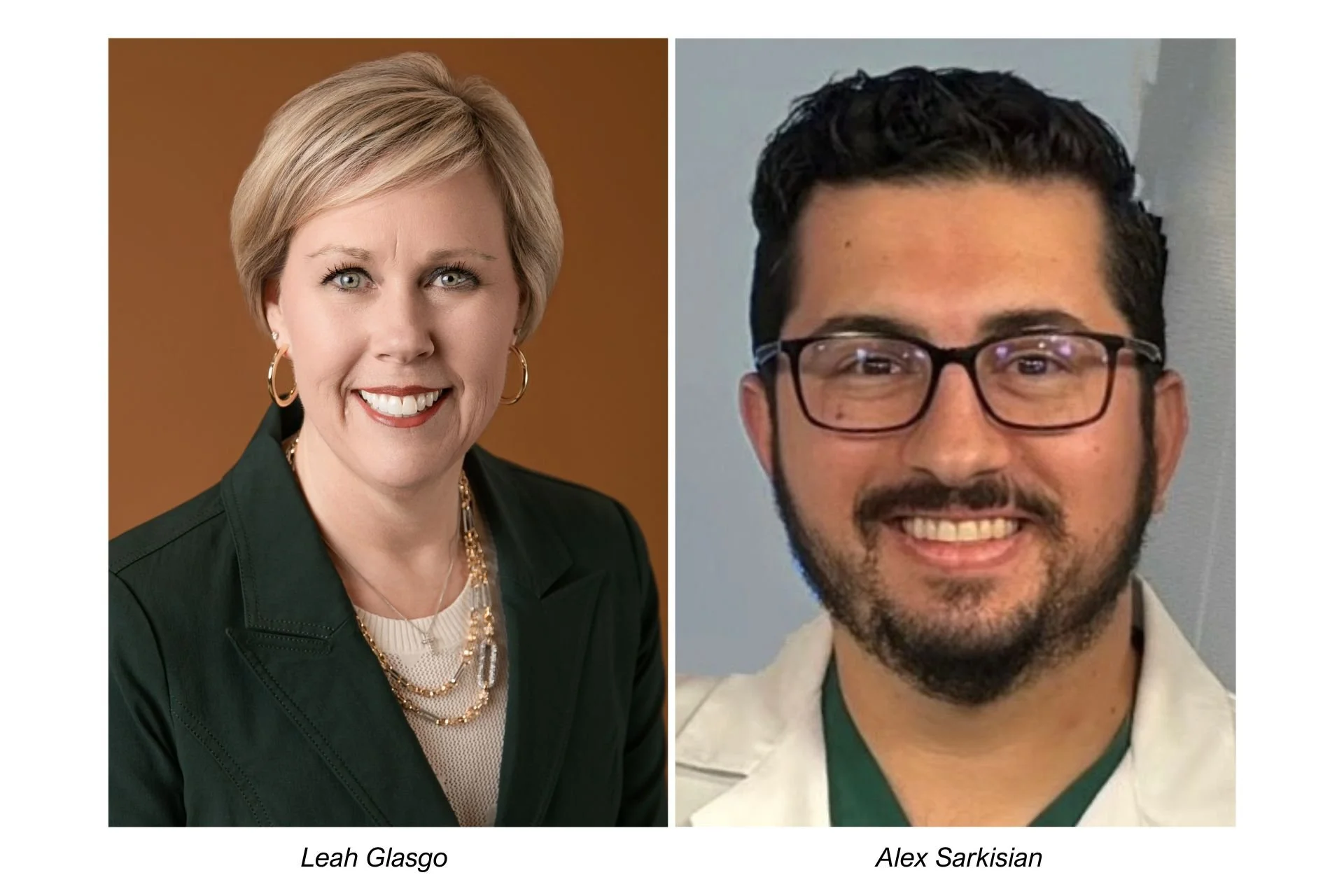
"We are proud to have advanced technology, like the GI Genius, right here in Fort Dodge," says Leah Glasgo, President of UnityPoint Health – Fort Dodge. "Colorectal cancer is highly preventable when precancerous polyps are found and removed early."
GI Genius™ works alongside the doctor during a colonoscopy. As the doctor views the colon, the technology quietly scans the video image and flags areas that may need a closer look, including tiny or flat polyps that can be harder to see. The doctor still leads the procedure and makes all medical decisions.
The technology is used by all providers performing colonoscopies at Trinity Regional Medical Center, including Alex Sarkisian, MD, of UnityPoint Clinic Kenyon Road - Gastroenterology, and Darren Croo, MD, and Ericha Worple, DO, of UnityPoint Clinic Surgery.
"Unfortunately, many colorectal cancer cases are diagnosed at a later stage, when treatment can be more challenging," says Dr. Sarkisian. "One of the benefits of colonoscopy is that it can detect and remove precancerous polyps, helping prevent colorectal cancer before it starts."
Colorectal cancer remains one of the leading causes of cancer death in the United States, according to the American Cancer Society. Regular screening is one of the most effective ways to find colorectal cancer early, when it may be easier to treat, and to find polyps before they have the chance to turn into cancer.
In 2025, the surgical team at Trinity Regional Medical Center completed more than 1,700 colonoscopies — nearly 300 more than in 2024. The American Cancer Society recommends that people at average risk of colorectal cancer begin regular screening at age 45. People with a family history of colorectal cancer or other risk factors may need to start earlier and should talk with their primary care provider about the right screening plan for them.
If you are 45 or older, or if you have questions about your risk, talk to your primary care provider about colorectal cancer screening. To learn more about colonoscopy services at UnityPoint Health – Trinity Regional Medical Center, visit https://uph.link/Colonoscopy.