
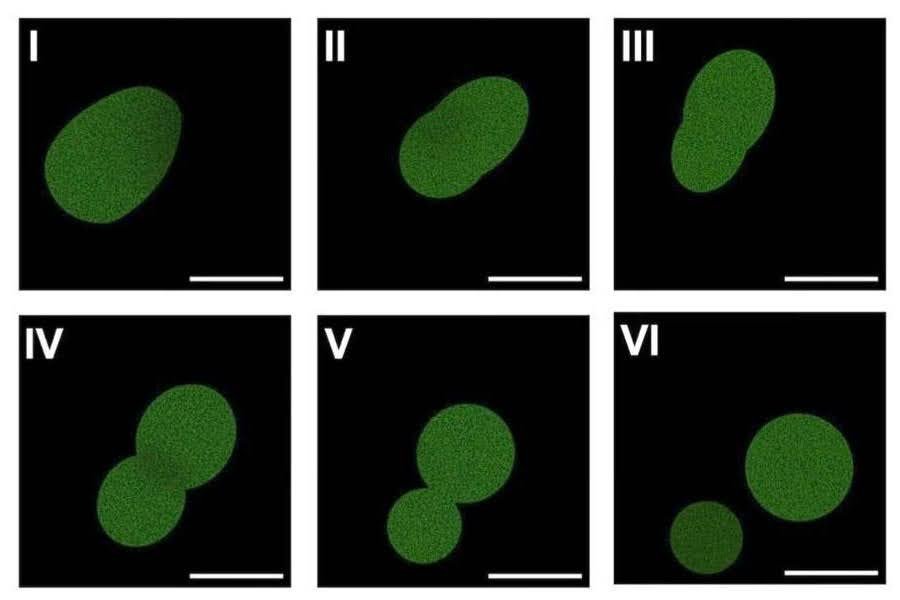
World’s First Synthetic Cell With a Complete Life Cycle Could Transform Biological Engineering
While many of the mysteries of life remain unsolved, every biologist can describe the basic processes performed by a living organism, which include energy use, reproduction, growth and development. While these characteristics can be replicated in isolation in a lab, the idea of a completely synthetic biological organism has long been relegated to science fiction.

University of Minnesota Breaks Ground on New Community-University Health Care Center Facility
University of Minnesota leaders and faculty, state officials, clinic staff and patient board members will break ground today on a new Community-University Health Care Center building. Twice the size of the current clinic, the new, advanced facility will expand patient access, enhance care delivery and strengthen the University’s health professional training programs.

University of Minnesota Experts Bust Five Common Mental Health Myths
Nearly one in five Americans lives with a mental health condition, yet myths and misinformation continue to shape how people seek — or avoid — care. During Mental Health Awareness Month in May, University of Minnesota experts are setting the record straight with evidence-based research, new treatments and workforce innovations that are changing how mental health conditions are understood and treated.

Blood Test May Help Predict Survival After Age 70
Why do some people live longer than others? New research from the University of Minnesota and Duke University, recently published in Aging Cell, investigates how tiny molecules in the bloodstream — called small RNAs — may explain and determine differences in human longevity.

Dr. Michael Osterholm Recognized Among TIME’s 2026 Most Influential Health Leaders
TIME named Dr. Michael Osterholm, Regents Professor, McKnight Presidential Endowed Chair in Public Health and director of the Center for Infectious Disease Research and Policy (CIDRAP) at the University of Minnesota, to the 2026 TIME100 Health List of the World’s Most Influential Leaders in Health.

Disrupting Bacterial “Communication” to Advance Human Health
Like all living things, bacteria adapt to survive. Over time, bacteria have been developing resistance to common antibiotics and disinfectants, which poses a growing problem for healthcare and sanitation. However, many species of bacteria are beneficial and even essential for human health. What if there was a way to change the behavior of bacteria in the body to prevent illness and poor health outcomes?

Exploring PCOS with the University of Minnesota
Polycystic ovary syndrome, commonly referred to as PCOS, is one of the most common hormonal disorders that affects patients of reproductive age. Worldwide, 13% of women of reproductive age are affected by PCOS — and experts estimate that as many as 70% of women who have PCOS may go undiagnosed.

University of Minnesota Receives Donation for CIDRAP Information Hub
The Center for Infectious Disease Research and Policy (CIDRAP) at the University of Minnesota today announced the upcoming launch of the CIDRAP Information Hub (CIH), made possible by a sizable gift from the Bentson Foundation, to address recent public health information gaps created by restricted, reduced or redefined U.S. government programs.

Hospital-Based Obstetric Services Decline Nationwide, With Rural States Most Affected
Access to obstetric care is a critical determinant of maternal and infant health. However, a new study led by the University of Minnesota School of Public Health found that hospital-based obstetric care has declined in recent years, with variability across states.

Research Insight: Barriers to Sports Participation for Students with Multiple Marginalized Identities
The U.S. Department of Health and Human Services Healthy People 2030 plan sets a national objective to increase youth sports participation from 50% to 63% over the next five years.