
Iowa Produce Prescription Program Results Strengthen Food Is Medicine Movement
New findings from the Iowa Healthiest State Initiative's Iowa Produce Prescription Program (IPPP) show participants increased their fruit and vegetable consumption, improved food security and reported high levels of program satisfaction, adding to a growing body of evidence supporting Food Is Medicine approaches.

Yankton Physician Selected to Present at National Palliative Care Assembly
Amanda Sedlacek, DO, MSA, FACP, FACOI, FAAHPM, Internal Medicine and Palliative Medicine Physician at Yankton Medical Clinic, has been selected by the Annual Assembly of Hospice and Palliative Care Planning Committee to present nationally at the 2027 National Assembly of Hospice and Palliative Care in Pittsburgh, Pennsylvania, in March 2027.

University of Minnesota Researchers Pioneer the Future of Healthy Aging
The University of Minnesota is pioneering groundbreaking aging research aimed at helping people not only live longer but also live healthier lives. Scientists are translating discoveries made in the lab into real-world solutions to help revolutionize how we age.

UNMC Research Opens New Path to Study Alzheimer's and HIV Link
UNMC researchers have published an article in "Alzheimer's & Dementia: The Journal of the Alzheimer's Association" detailing the creation of an animal model that helps resolve questions about the relationship between HIV and Alzheimer's disease (AD).
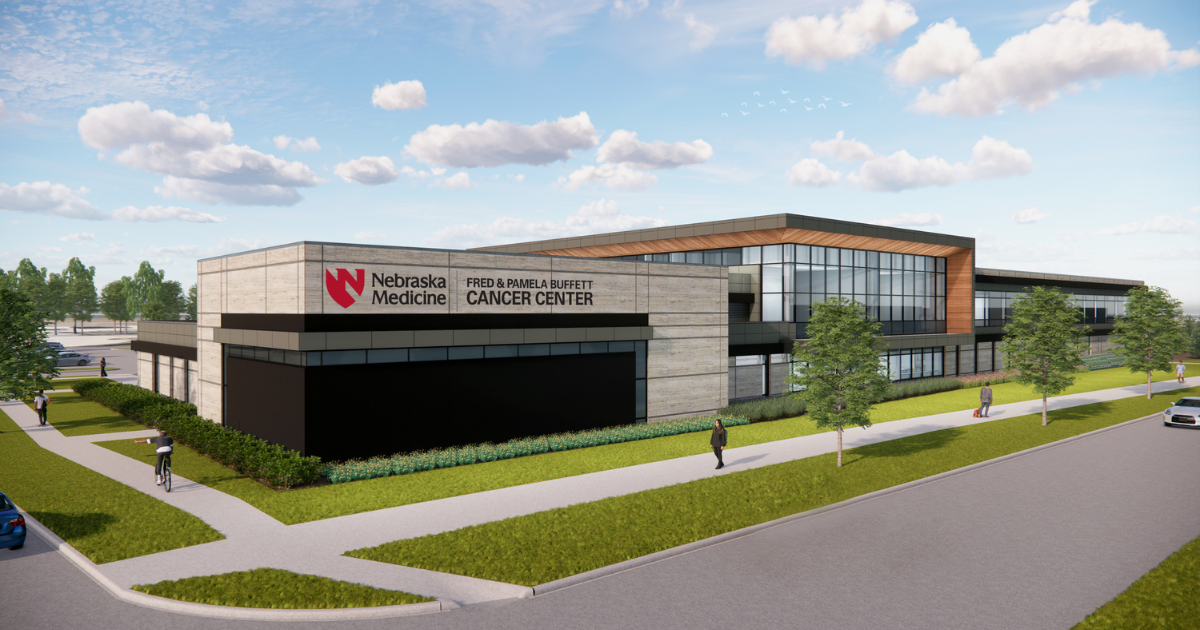
Nebraska Medicine Marks 10 Years of CAR T-Cell Therapy Innovation
Nebraska Medicine, the University of Nebraska Medical Center, and the Fred & Pamela Buffett Cancer Center will celebrate a decade of innovation and patient impact in CAR T-cell therapy during a special event, "Trailblazing a Decade of CAR T-cell Therapy: 10 Years of Innovation at Nebraska Medicine and UNMC.”
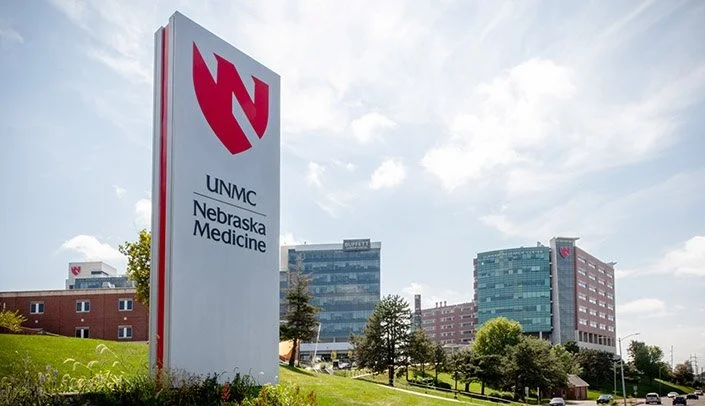
Buffett Cancer Center Earns National Ranking From U.S. News
The Fred & Pamela Buffett Cancer Center has earned a national ranking in cancer care from U.S. News & World Report, placing it among the nation's top programs for treating complex cancer cases. The recognition is part of the publication's annual Best Hospitals rankings and follows Nebraska Medical Center being named the No. 1 hospital in Nebraska for the 15th consecutive year.
Buffett Cancer Center Offers New Pancreatic Cancer Therapy Daraxonrasib
Patients at the Fred & Pamela Buffett Cancer Center now have access to a promising new therapy that has generated national attention for its potential to improve outcomes for people with advanced pancreatic cancer. Patients with previously treated metastatic pancreatic cancer can receive daraxonrasib through an Expanded Access Program (EAP), providing an opportunity to receive the investigational therapy while it awaits review by the U.S. Food and Drug Administration.
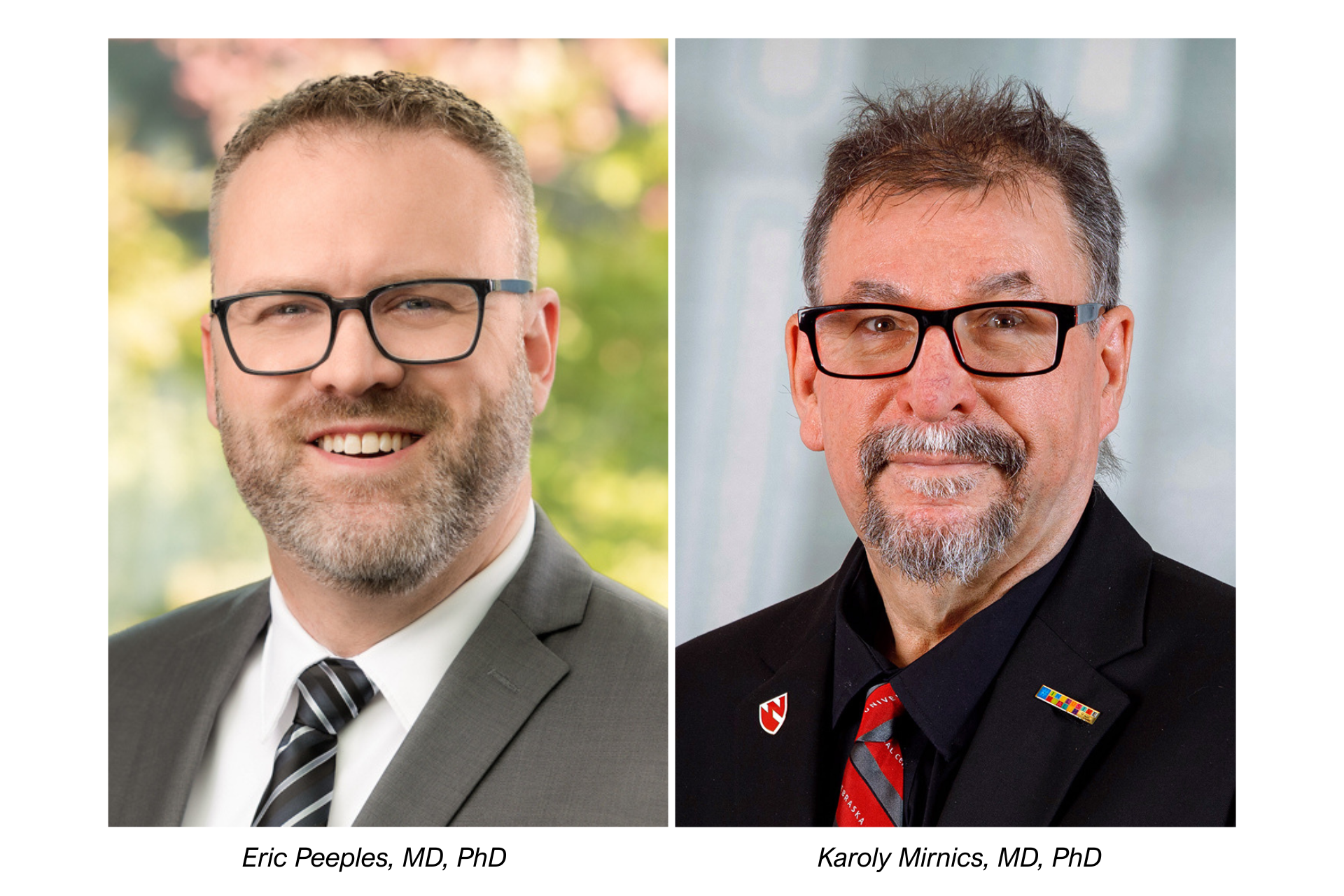
UNMC Review Flags Fetal Brain Risks From Certain Pregnancy Medications
A review article by a University of Nebraska Medical Center/Child Health Research Institute research team underscores and describes how altering fundamental brain development processes can be detrimental for the developing baby.
Nebraska Cancer Specialists First in Region to Offer New Pancreatic Cancer Therapy
Nebraska Cancer Specialists (NCS) is now offering eligible patients access to a promising investigational treatment for metastatic pancreatic cancer through a U.S. Food and Drug Administration (FDA) Expanded Access Program (EAP). NCS is currently the only practice in the region providing access to this treatment through its nationally recognized clinical research program.
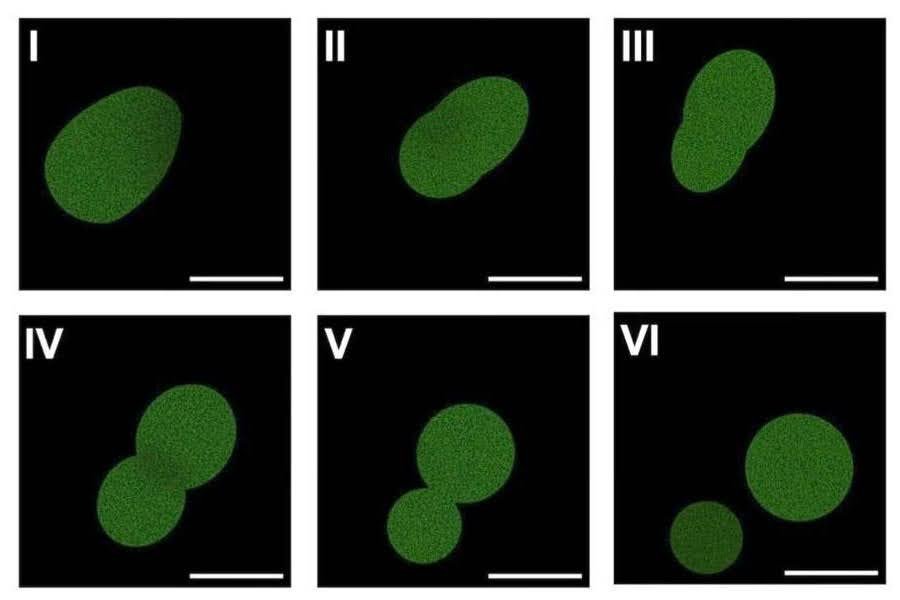
World’s First Synthetic Cell With a Complete Life Cycle Could Transform Biological Engineering
While many of the mysteries of life remain unsolved, every biologist can describe the basic processes performed by a living organism, which include energy use, reproduction, growth and development. While these characteristics can be replicated in isolation in a lab, the idea of a completely synthetic biological organism has long been relegated to science fiction.

Sanford Health Realigns Research Leadership to Advance Patient Care and Outcomes
Sanford Health announced today a leadership realignment for Sanford Research designed to accelerate systemwide transformation and strengthen the organization’s ability to translate scientific discovery into better outcomes for patients and communities across the rural Midwest.

University of Minnesota Wins NIH Grant to Study Tuberculosis Immunity
A University of Minnesota Medical School research team was awarded a 5-year, $3.8 million grant from the National Institute of Allergy and Infectious Diseases to study early immune responses in the lung and how they influence tuberculosis infection outcomes.
NE-INBRE Announces 2026 Biomedical Research Scholars
In late May, the Nebraska Institutional Development Award Networks of Biomedical Research Excellence (NE-INBRE) program welcomed a new cohort of undergraduate students from across Nebraska as they embark on their summer research experience.
Monument Health Partners With Community Research Program Walking Forward
For 24 years, Walking Forward has worked to close the gap in cancer outcomes for American Indian communities across western South Dakota. Now, the nationally recognized program is joining Monument Health once again, bringing more than two decades of community-based cancer navigation, research and education work under the health system and strengthening its ability to serve patients across western South Dakota and eastern Wyoming.
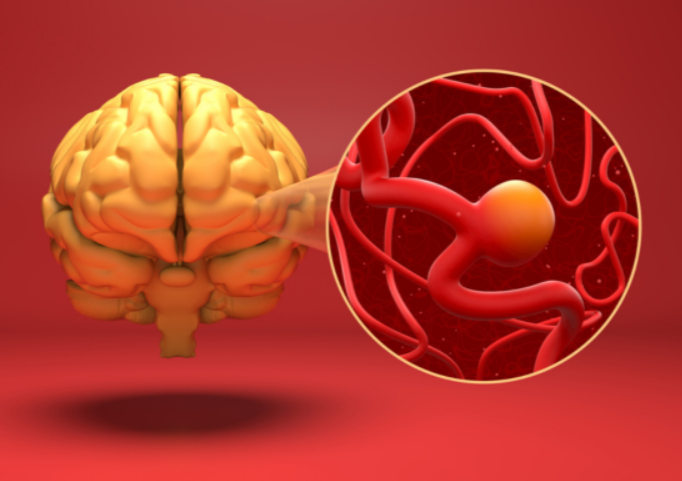
Managing Unruptured Intracranial Aneurysms Through Individualized, Evidence-Based Care
Unruptured intracranial aneurysms (UIAs) are increasingly detected due to the widespread use of high-resolution CT angiography and MRI. Most patients are asymptomatic at diagnosis, and the central clinical challenge is…

University of Minnesota Experts Bust Five Common Mental Health Myths
Nearly one in five Americans lives with a mental health condition, yet myths and misinformation continue to shape how people seek — or avoid — care. During Mental Health Awareness Month in May, University of Minnesota experts are setting the record straight with evidence-based research, new treatments and workforce innovations that are changing how mental health conditions are understood and treated.
Regents Approve Center to Study Effects of Toxic and Pharmacologic Agents on Early Neurodevelopment
This fall, UNMC will launch a new cross-disciplinary research center focused on how gestational exposures to toxic and pharmacologic agents affect fetal or early childhood neurodevelopment.
Five Students to Sign With Project SEARCH Program
Five area high school students will sign their letters of intent for the Project SEARCH program at Mary Lanning Healthcare in April.
New Data Show Rising Stress and Physical Inactivity Threaten Heart Health
As people across the nation navigate higher levels of stress and spend more of their day sitting, finding time to move can feel challenging. Less than half of adults and fewer than one in five children in the U.S. get the recommended amount of physical activity needed for heart health, according to the American Heart Association’s 2025 Heart & Stroke Statistical Update. That’s why the Association invites communities nationwide to gather on Wednesday, April 1 for National Walking Day.
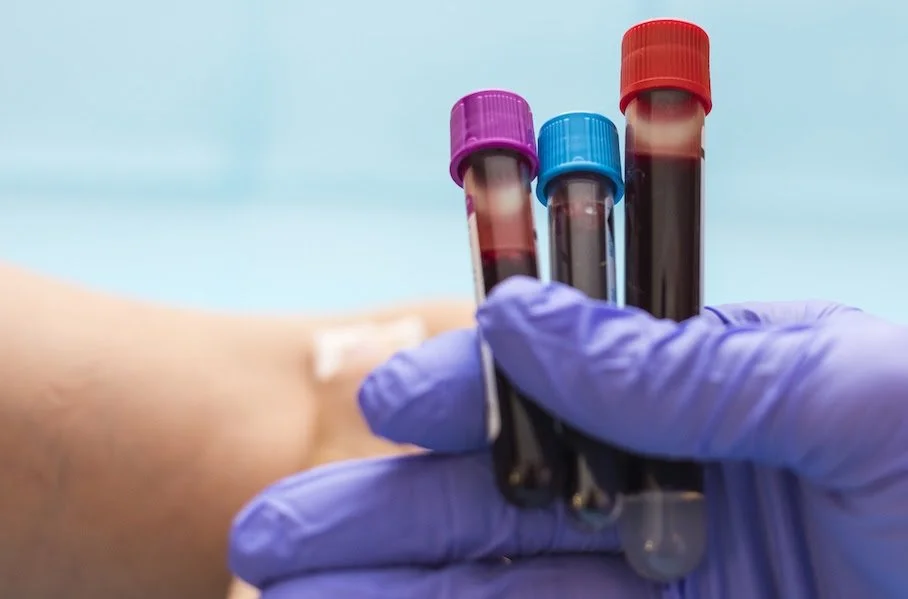
Blood Test May Help Predict Survival After Age 70
Why do some people live longer than others? New research from the University of Minnesota and Duke University, recently published in Aging Cell, investigates how tiny molecules in the bloodstream — called small RNAs — may explain and determine differences in human longevity.