
Same Filter Rating, Dramatically Different Performance Results
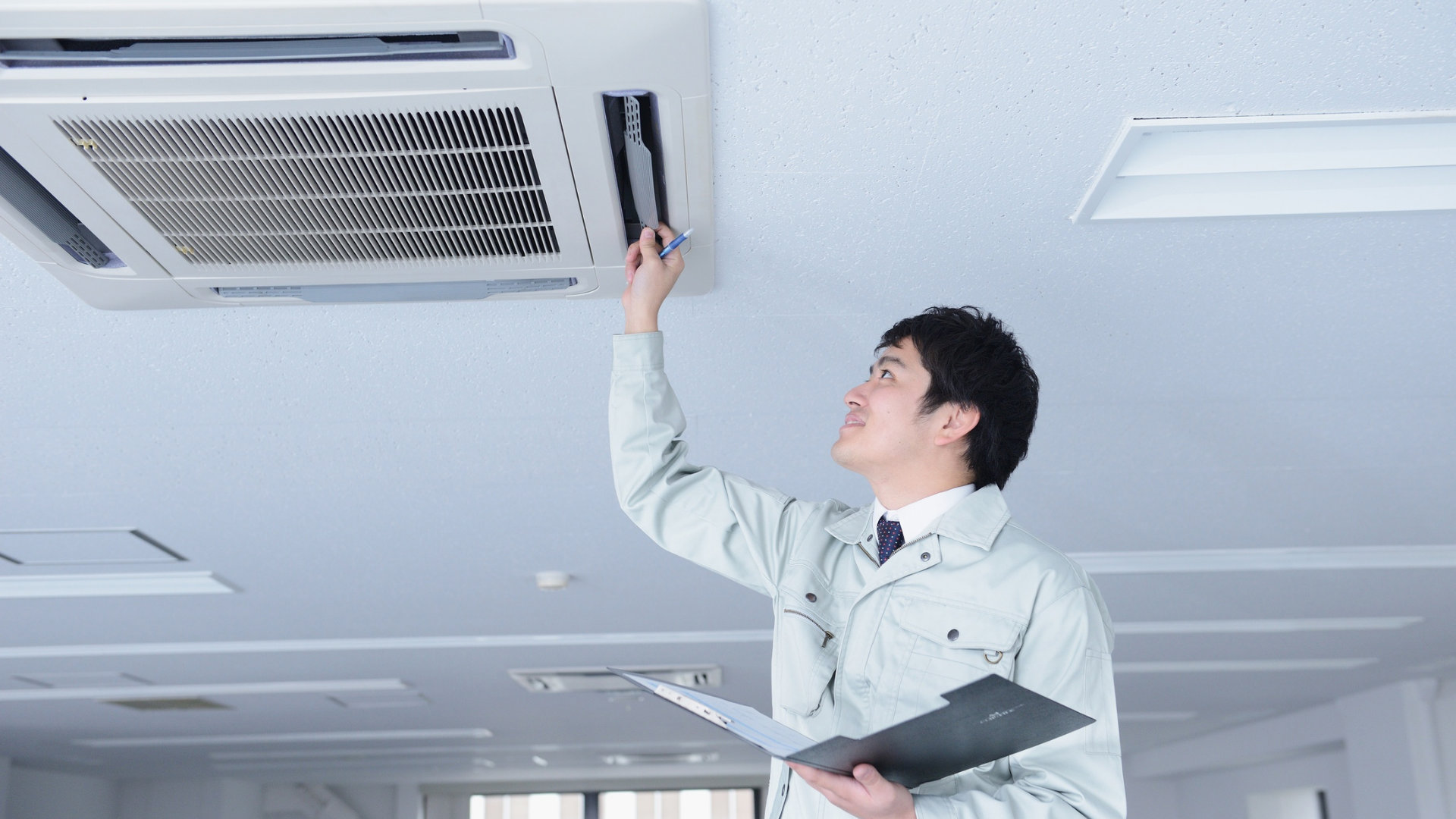
The maintenance supervisor placed two air filters on the workbench.
At first glance, they looked identical.
Same size.
Same efficiency rating.
Both were labeled as high-performance filters suitable for healthcare facilities.
But something about the hospital’s air quality had been bothering him for weeks.
So he decided to test them.
The results were surprising.
One filter was still capturing microscopic particles effectively.
The other was allowing far more particles to pass through.
And yet both had been installed at the same time.
What Was Happening Inside the Filters
The difference came down to how the filters actually worked.
The first filter relied primarily on electrostatic attraction.
This method uses an electrical charge within the filter media to attract airborne particles.
Initially, this technique works well.
But over time, dust buildup and airflow conditions weaken the electrostatic charge.
As the charge fades, filtration efficiency drops.
The second filter worked differently.
Instead of relying on electrical attraction, it used dense fiber structures designed to physically trap particles as air moved through the media.
Because the filtration process was mechanical, its performance remained consistent.
Why Hospitals Are Paying Attention
For hospitals, filtration systems must perform reliably every day.
Declining filter efficiency can allow airborne contaminants to circulate through patient areas, operating rooms, and treatment spaces.
Healthcare facilities looking for consistent filtration performance are increasingly turning to maintained-efficiency filtration technologies.
Filtration systems engineered by Camfil use advanced mechanical media designed to maintain particle capture performance throughout the life of the filter.
In environments where air quality matters, that reliability can be critical.