
Keeping Healthcare Local: The Crucial Role of Architecture
SPONSORED
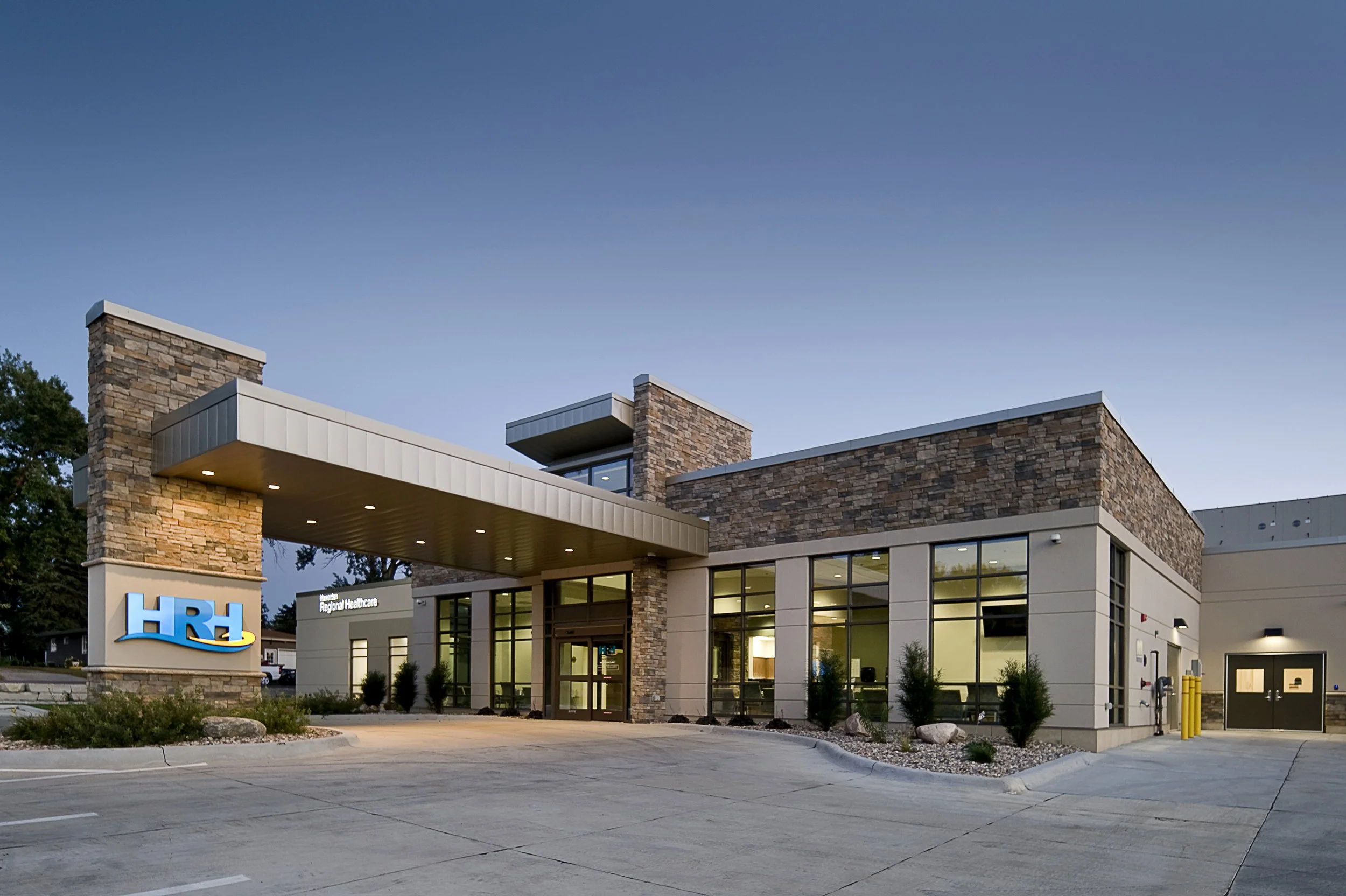
Hawarden Regional Hospial, Hawarden, Iowa
Access to quality healthcare is a key factor in what makes communities vibrant, livable, and well-positioned for growth.
As medical services become increasingly concentrated in larger population centers, especially across the Midwest, delivering care close to home has become critical. For many communities, local care is more than a convenience. It supports long-term vitality, strengthens stability, and helps attract families, businesses, and future investment.
Meeting that need depends on many factors, including funding, technology, workforce recruitment and retention, and operational efficiency. Equally important, however, is healthcare infrastructure. Reliable, modern facilities that support advanced care and reflect community needs are essential to long-term success.
Access to local care can mean the difference between receiving treatment when it’s needed or delaying care due to travel distance, scheduling challenges or other barriers. Thoughtful planning and design help remove those obstacles while improving patient flow, supporting staff and creating environments that can adapt over time.
With a sustained presence throughout the Midwest and offices across Iowa, Nebraska, and South Dakota, CMBA Architects has built a reputation for helping healthcare providers address these challenges through purposeful, community-focused design solutions.
The following projects represent just a sample of how thoughtful planning and modern healthcare environments are helping smaller communities expand services, strengthen care delivery, and better support patients and providers.
Expanding Access to Care Close to Home
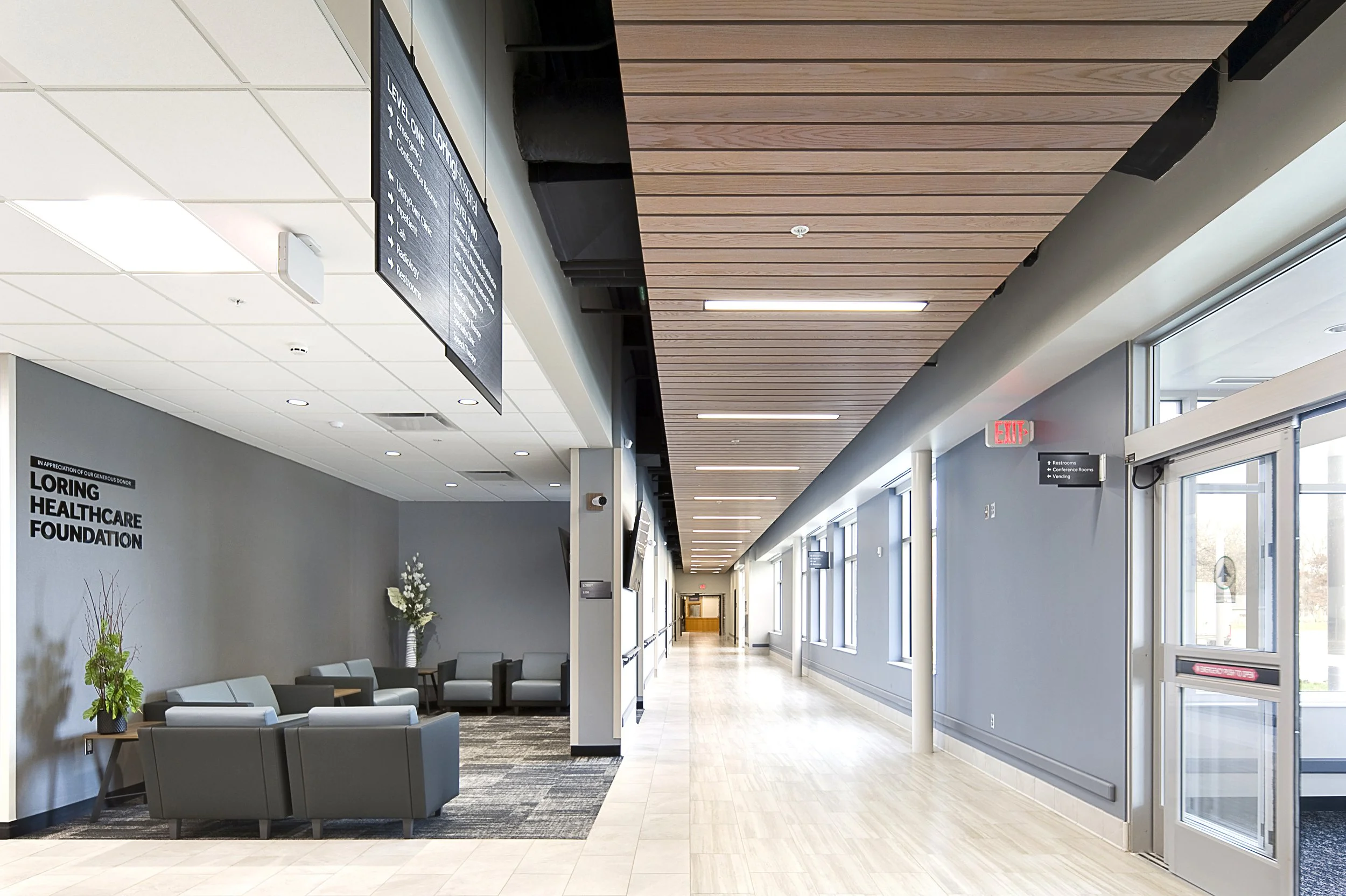
Loring Hospital | Sac City, Iowa
At Loring Hospital in Sac City, Iowa, CMBA helped introduce a new specialty clinic, expand rehabilitation therapy areas, and update pharmacy, admitting, and infusion spaces. These improvements were designed to enhance flow, improve comfort, and increase efficiency for both patients and staff.
The result is a well-integrated clinical environment that strengthens the overall experience and positions Loring Hospital to continue serving its community at a high level for years to come.
Right-Sizing Care Delivery for Rural Communities
The Hawarden Regional Healthcare project demonstrates how thoughtful design can directly strengthen rural access by bringing more advanced resources to the region. Through a 16,000-square-foot expansion, CMBA created a modern outpatient clinic and state-of-the-art MRI suite designed to enhance diagnostic capabilities, improve patient flow, and support staff efficiency.
By connecting the new addition to the existing hospital and creating a more accessible, seamless environment, the project expands local services while reinforcing the importance of delivering care close to home.
Supporting Recruitment, Retention, and Long-Term Sustainability
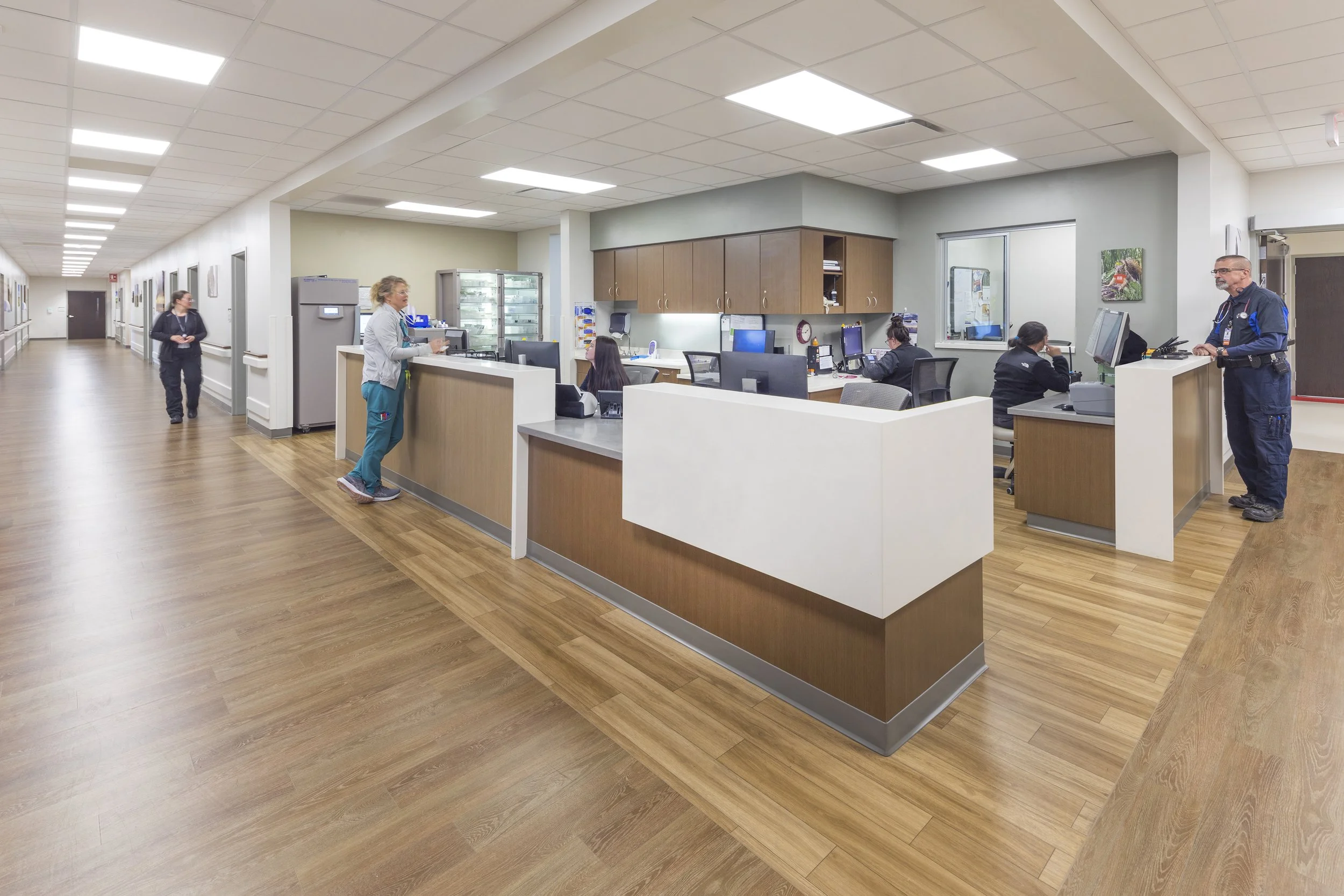
Kimball Health Services | Kimball, Nebraska
Kimball Health Services represents the impact design can have on the long-term strength of smaller communities. By transitioning from an existing, outdated building into a modern replacement facility, CMBA helped create a care environment built for better coordination, greater efficiency, and an improved patient experience.
The new facility brings key services together in one location, creating a stronger foundation for everyday care while allowing flexibility for future growth in specialty and outpatient services.
As healthcare needs continue to evolve, the value of thoughtful, community-centered design will only become more important. Through projects like these, CMBA Architects continues to help providers deliver high-quality care closer to home while strengthening the long-term vitality of the communities they serve.
At its core, this work reflects a simple belief: it's not just about the buildings themselves, but about the people and communities they serve. At CMBA, it's not what we do, it's who we do it for.
In that way, design becomes not just a response to today’s needs, but an investment in what comes next.