
FDA Leader Talks Cellular Therapy With Sanford Health
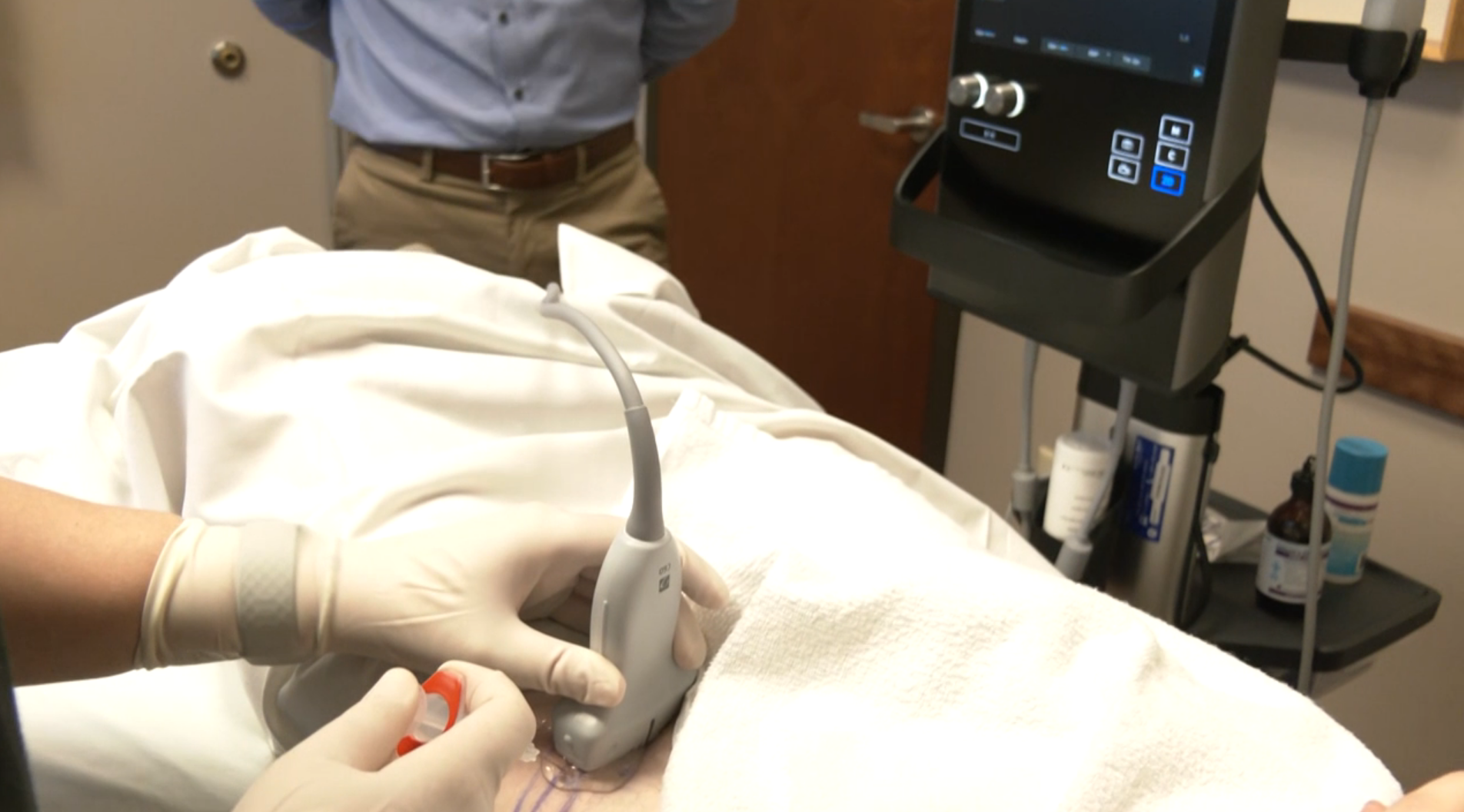
Orthobiologics can refer to a variety of treatment options based on a patient’s specific needs. These treatments are relatively new, so oversight is important to make sure patients are getting the best care.
Peter Marks, M.D., Ph.D., is the director of the Center for Biologics, Evaluation and Research at the Food and Drug Administration in Washington, D.C. He helps manage the regulation of complex biologic products, including cell and gene therapies, blood products and vaccines.
“For cellular therapies, they go through different processes depending on whether or not they meet certain requirements. Some products don’t actually even have to come to the FDA for approval,” said Dr. Marks.
Skin grafts fall under tissue rules, meaning if they’re made according to regulations, the FDA doesn’t require investigation, new drug applications or biologics license applications.
“Then there are more complicated products. There, one needs to go through the normal investigation process that we expect, which is when an investigator comes to the FDA and files an investigational new drug application,” said Dr. Marks.
The approval process is complex and includes several regulatory steps.
“If it sounds like a lot of work, it’s because it is a lot of work,” said Dr. Marks.
David Pearce, Ph.D., is the president of innovation, research and Sanford World Clinic at Sanford Health, which offers regenerative medicine clinical trials.
“It’s a complicated process, and we’re trying to do right by our patients. In the environment we’re in right now, we know many groups are offering cellular therapies that are unapproved. Sanford Health clearly can’t be in that group. We obviously want to do the safe thing and we all want to do the efficacious thing,” he said.
Not everyone who offers cellular therapies goes through the correct channels. Some stem cell clinics are charging patients money for therapies that should go through an investigational new drug application process but haven’t. The treatments these facilities offer are unapproved and unproven.
Education is hugely important for patients, as it can help them identify which facilities and treatments they can trust.
“I think we sometimes think it’s the wild west out there,” said Dr. Marks. “So, the goal here would be to try to get the wild west under control by helping people know enough about what they’re getting into, so they don’t get involved and pay money for things that aren’t going to be effective.”
For patients getting an investigational therapy, they shouldn’t be paying the retail price. Instead, the provider needs to provide the FDA with an accounting of what it costs to make the product and can only charge the patient or their insurance company that amount. This approach keeps providers from charging to make a profit on products that may not benefit the patient but still incentivizes research, such as through clinical trials.
Products in the clinical trial phase are unproven but can still offer great benefits to patients and the research community as a whole.
“The beauty of participating in a clinical trial is that even if ultimately the product doesn’t work, you haven’t done something for nothing. You’ve helped advance knowledge because even a negative trial helps us learn something,” said Dr. Marks. “And if it’s positive, that’s really great because then you’ve probably benefited some, and society has benefited as well.”
Sanford Health is offering a clinical trial that seeks to apply cellular treatments to orthopedic medicine, specifically in treating osteoarthritis in five different joints.
“For me, I think this area of regenerative medicine is so exciting. And I think to date, it has not flourished as well as it could because people haven’t done what Sanford’s doing, which is systematically going through and finding out if things work or not,” said Dr. Marks.
Individuals interested in treatments related to regenerative medicine should go through a trusted and verified source for a clinical trial.
“When you are considering cellular therapy, I think you, first of all, want to feel comfortable that you’re dealing with a reputable entity. It should be somebody that you feel like you can find out about them, and you know what they are about. They should be interacting with you on a very transparent level,” said Dr. Marks.
Clinical trials require getting informed consent and making sure patients have all the information they need to make a medical decision, such as whether to pursue a treatment. A red flag for a cellular treatment provider is if they’re charging an excessive amount of money for their treatments. That isn’t what clinical trials are for.
“To sum up, the most important thing is to be able to feel confident you’re working with a reputable organization,” said Dr. Marks.
For more information on Sanford Health’s clinical trials in orthobiologics and regenerative medicine, visit their website.