
Breast Cancer Awareness Month: Dispelling Dangerous Myths
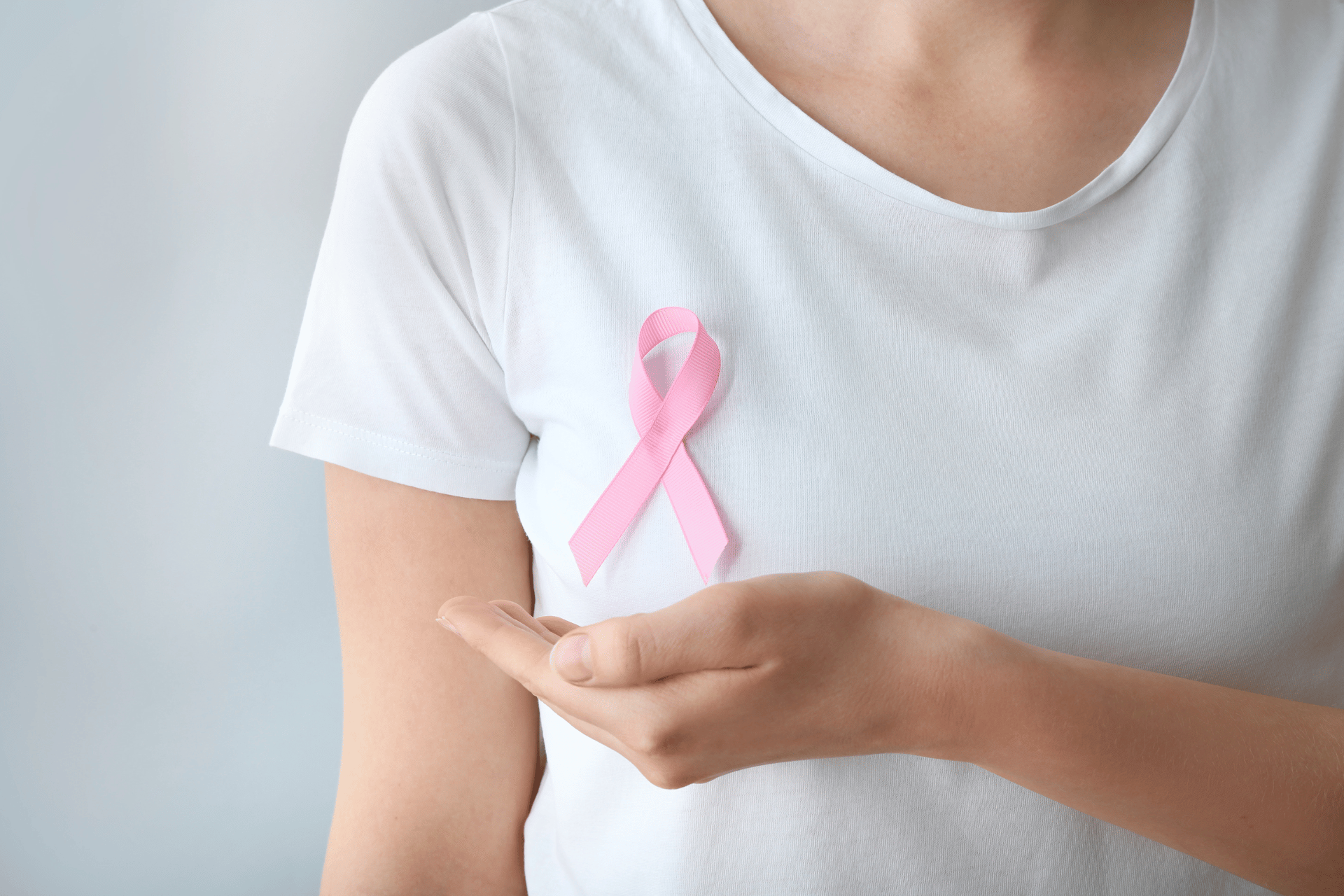
Did you know that 1 in 8 women in the United States will develop breast cancer at some point in their lives, and that about one-third of all newly diagnosed cancers in women are breast cancer?
Given the prevalence and danger of this disease, it's critically important to understand fact from fiction. In recognition of Breast Cancer Awareness Month, Essentia Health is helping to dispel common myths.
Most common breast cancer myths
Only old people get cancer
While the risk of breast cancer increases with age, about 10% of diagnoses involve women younger than 45, according to the American Cancer Society. This is why it's important to know your body, understand your family history and talk with a healthcare provider about any changes such as a lump, nipple discharge, skin changes or persistent pain. Younger people may not need routine mammograms unless they are at higher risk, but concerning symptoms should never be ignored. Early detection can make a meaningful difference at any age.
You can't get breast cancer if you don't have family history
Having no family history doesn't make you immune from developing breast cancer. Most people diagnosed with breast cancer do not have a close relative with the disease. Age, genetics, lifestyle and other factors can affect risk. However, being aware of your family history can help determine the best screening schedule for you.
You can always feel a lump if you have breast cancer
You may not always feel a lump if you have breast cancer. Some breast cancers cause no noticeable symptoms and are found through mammograms. In fact, the presence of a lump might mean the cancer has already spread into the lymph nodes. Other warning signs include skin dimpling or redness, nipple discharge or changes in breast size or shape, so report unusual changes to your provider.
Finding a lump always means you have breast cancer
Only a very small percentage of breast lumps end up being cancerous. Lumps can result from cysts, fibroadenomas, hormonal changes or other benign conditions. However, any new or unusual lump should be examined by a healthcare professional to determine its cause.
Diet and lifestyle don't affect your risk of breast cancer
While they don't determine it on their own, diet and lifestyle can influence the risk of developing breast cancer. Regular physical activity, maintaining a healthy diet, limiting alcohol and avoiding tobacco may help lower risk.
Only women with larger breasts can get breast cancer
Women with breasts of all sizes can develop breast cancer — there's no connection between size and risk. Obesity and breast density may, however, increase the risk of breast cancer, and larger breasts may make changes more difficult to notice.
Early detection is key
Breast Cancer Awareness Month is a great reminder to prioritize breast health and consider scheduling a mammogram. Knowing that early detection is crucial, Essentia recommends women of average risk get a mammogram screening every year beginning at age 40. Between these appointments, it's important to practice self-breast awareness, which is knowing how your breasts normally look and feel. See a provider if you're experiencing any of the changes noted above, including skin dimpling or redness, nipple discharge, changes in breast size or shape and new or persistent pain.
Please contact your insurance if you have questions regarding mammogram coverage.
The Essentia Health High-Risk Breast Cancer Program focuses on helping patients understand their risk for developing breast cancer. After a thorough history, examination and education session, the patient and Breast Health Program nurse practitioner partner to form a personalized plan of care.