
Yankton Specialists Highlight Hearing Loss Warning Signs for Children and Adults During National Speech-Language-Hearing Month
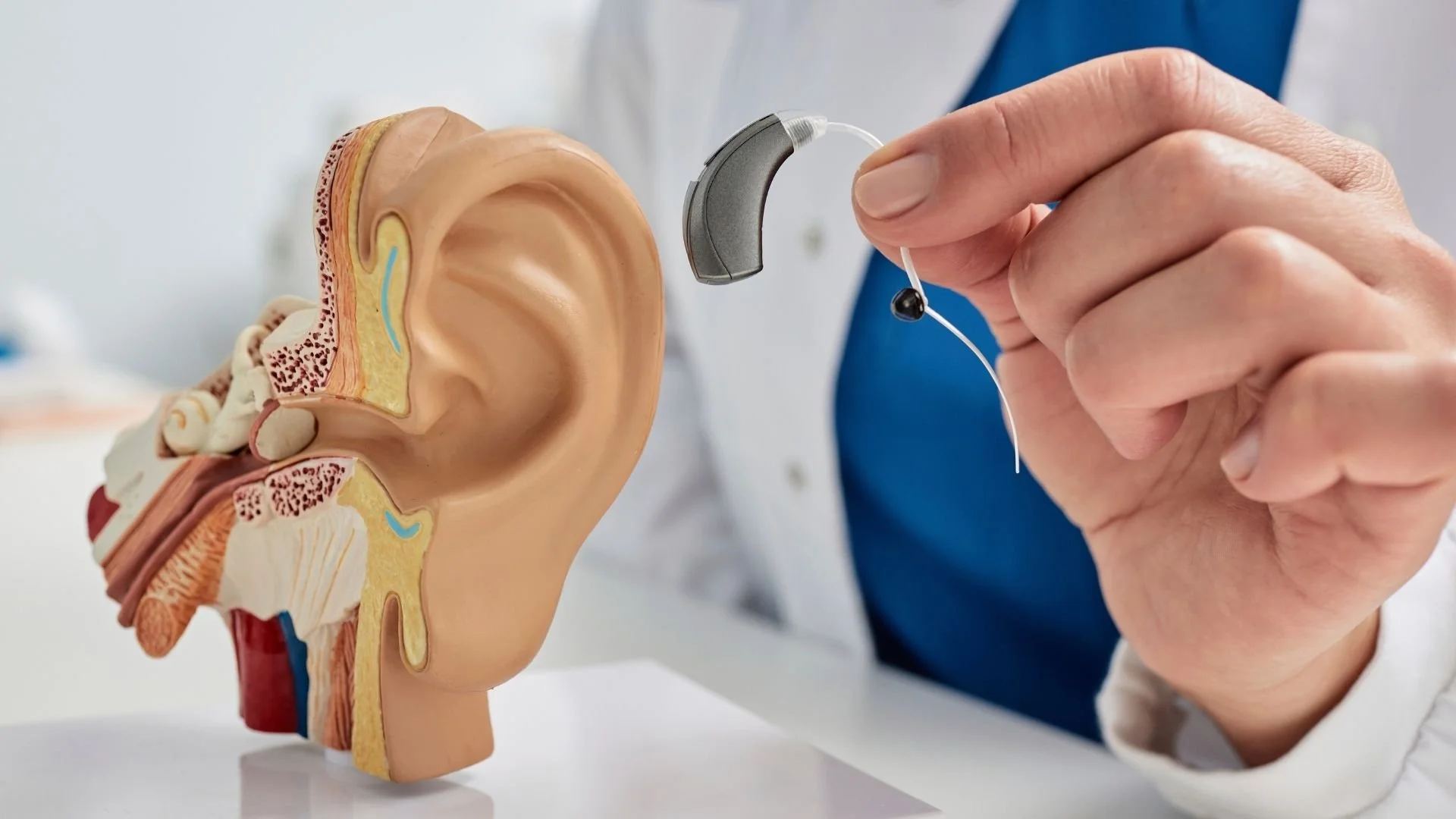
From infants to seniors, hearing loss affects people of all ages. However, despite being relatively common—and increasing in frequency in the United States and worldwide—hearing loss routinely goes undetected and unaddressed. This is the situation Yankton Medical Clinic audiologists are hoping to change this May, which is National Speech-Language-Hearing Month.
In the United States, one in every 500 babies is born with some degree of hearing loss. Among school-aged children (ages 6–19 years), almost 15% have hearing loss in one or both ears. Approximately 15% of American adults (37.5 million) ages 18 and older report having some trouble hearing.
“Although most newborns get their hearing screened before being discharged from the hospital, children can also develop hearing loss in the days, weeks, months, and even years after birth,” explains Beth Beeman, AuD, CCC-A, FAAA.
Jason Howe, AuD, CCC-A, FAAA continues: “For adults, hearing loss can creep up on us slowly over decades. By the time people act, their hearing loss may be very advanced. Unfortunately, delayed identification and intervention can have consequences for children and adults. This is why it’s so important for everyone to be aware of the signs of hearing loss at every stage of life.”
Signs of Hearing Loss
In children, signs of hearing loss include the following:
Does not alert to sound (birth – 3 months)
Does not respond when you call their name (7–9 months)
Does not follow simple directions (13–18 months)
Shows delays in speech and language development (birth – 3 years)
Has difficulty achieving academically, especially in reading and math
Is socially isolated and unhappy at school
In adults, signs of hearing loss include the following:
Has difficulty following conversations
Has difficulty hearing in noisy environments
Hears ringing, buzzing, or beeping in one or both ears
Fails to respond to spoken words
Experiences muffled hearing
Experiences constant frustration when hearing speech and other sounds
Avoids conversation
Impact of Hearing Loss
Left unaddressed, hearing loss can affect people differently at different stages of life. Early action can help prevent many of these challenges.
Early Childhood: Hearing is critical to language, speech, and brain development. During the first 3 years of life, 80% of a child’s brain develops. If an undetected hearing loss causes a child to miss out on exposure to language, that child can face short- and long-term consequences such as speech and language delays, academic difficulties, and social challenges.
When babies born with hearing loss are identified early and are enrolled in intervention services by 6 months of age, they can develop language and learning skills that are equal to the skills of their hearing peers by the time they start kindergarten. This is why newborn hearing screening—and follow-up testing for babies that don’t pass this screening—is so critical.
School Age (Elementary and Adolescence): Children who have unaddressed hearing loss can have problems with academics—including reading, spelling, math, and problem solving. They also can have behavioral and social challenges—along with communication difficulties. School services, including collaboration with an educational audiologist, can help support students throughout their school years.
Adults: Hearing loss can affect every area of an adult’s life—including physical and mental health, career success, social life, personal relationships, and overall quality of life. Untreated hearing loss is associated with an increased risk of falls, which is a leading cause of injury and death in older adults. Hearing loss also has been identified as a risk factor for dementia and/or cognitive impairment.
Audiologists diagnose, treat, and help people manage their hearing loss. Treatment can help people improve their quality of life and maintain their independence. People can choose from many different options to address their hearing loss, depending on their preferences and lifestyle. These options can include hearing aids, cochlear implants, audiologic habilitation or rehabilitation, and more.
Yankton residents who want to schedule a hearing evaluation and discuss any potential treatment options may contact Yankton Medical Clinic ENT at 605-665-0062.