
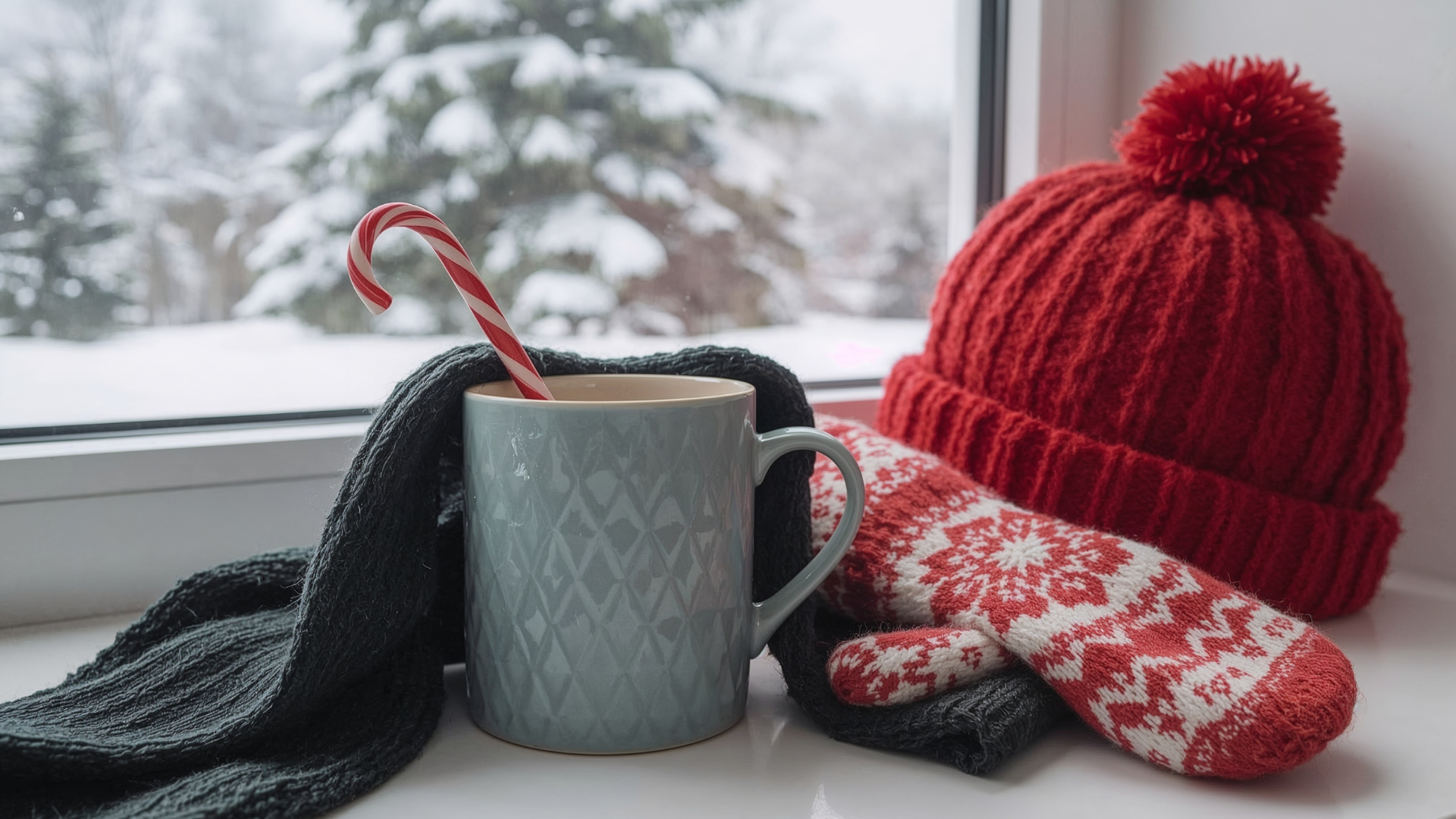
Wind chills are expected to drop to -25 to -30 degrees this weekend, making it a good time to review Winter Safety Tips.
A winter storm can cause extended power and heat outages in your home. Here are tips from MercyOne Genesis Davenport Emergency Care physicians and the Centers for Disease Control and Prevention to help you stay safe and comfortable in severe winter weather.
Hypothermia: Overexposure to cold temperatures or cold water can be deadly. Here are some tips for treating overexposure:
Warning signs: confusion or sleepiness; slowed, slurred speech or shallow breathing; weak pulse or low blood pressure; a change in behavior; severe shivering or no shivering; poor control of body movements or slow reactions.
What to do: Get the victim into a warm room or shelter; remove any wet clothing; warm the center of the body first – chest, neck, head, and groin – using an electric blanket if available; use skin-to-skin contact under loose, dry layers of blankets, clothing, or towels; give warm beverages; seek medical attention as soon as possible; if the victim is unconscious, CPR may be necessary.
Frostbite: A condition that occurs when body tissues freeze due to prolonged exposure to extremely low temperatures. It typically affects the extremities, such as fingers, toes, nose, and ears.
Warning signs: A white or grayish-yellow area on the skin; skin that feels unusually firm or “waxy”; numbness.
What to do: Get medical care; if there is no sign of hypothermia or medical care is unavailable, get the person into a warm room as soon as possible; do not walk or use frostbitten extremities; immerse the injured area in warm water; warm the injured area with body heat; don’t use a heating pad, heat lamp, or the heat from a stove, fireplace, or radiator, as injured areas can be quickly burned.
Carbon Monoxide Danger:
Warning signs of exposure: Fatigue in healthy people and chest pain in people with heart disease. At higher concentrations, impaired vision and coordination, headaches, dizziness, confusion, and nausea. Flu-like symptoms that diminish with exposure to fresh air are a warning sign. Exposure to very high concentrations can be fatal.
Prevention: Keep gas appliances properly adjusted; use the correct fuel in kerosene space heaters; open flues when fireplaces are in use; do not idle the car in a garage; choose appropriately sized wood stoves certified to meet EPA emission standards; make sure doors on all wood stoves fit tightly; have a trained professional inspect, clean, and tune central heating systems; do not use outdoor grills for heating or cooking inside your home; do not run gas-powered generators in your home.
In Your Home:
Plan an alternative heat source for your home during a power outage—secure dry wood for a fireplace or wood stove or kerosene for a kerosene heater.
Do not use outdoor grills for heat or cooking inside your home.
Put together an emergency box. It should include blankets and sleeping bags; matches; a dry-chemical fire extinguisher; a first-aid kit and instruction manual; candles; a flashlight or battery-powered lantern; a battery-powered radio; a battery-powered clock or watch; extra batteries; a non-electric can opener; a snow shovel; rock salt; games, playing cards, and books; special needs items (diapers, hearing aid batteries, medications); food items that do not require cooking or refrigeration, such as bread, crackers, cereal, and canned foods; and water stored in clean containers (at least five gallons per person).
In Your Vehicle
If you must drive, you can prepare your vehicle the same way you would prepare your home. Here are some tips:
Equip your car with these items: blankets or a sleeping bag; a first-aid kit; a can and matches to melt snow for drinking water; a windshield scraper; booster cables; road maps or GPS; a mobile phone; a compass; a tool kit; paper towels; a bag of sand or cat litter (to pour on ice or snow for traction); a tow rope; a collapsible shovel; a container of water, high-calorie canned or dried food, and a can opener; a flashlight and extra batteries; canned compressed air to temporarily fix a flat; and brightly colored cloth to attach to the car to notify others you are there.
Additional Tips
Tell someone where you are going if you leave the house during a storm, and when you expect to return. Falls resulting in injuries are common on icy drives and streets.
Carry a whistle with you when outside if you are at risk of falls. Your car keys can also serve as an alert system by using the car’s “panic button.”
Check on older neighbors and family members frequently.
Seek alternative shelter if you believe conditions in your home are unhealthy or unsafe.
Use a battery-powered or crank-powered emergency radio to stay informed during a power outage.