
By Alex Strauss
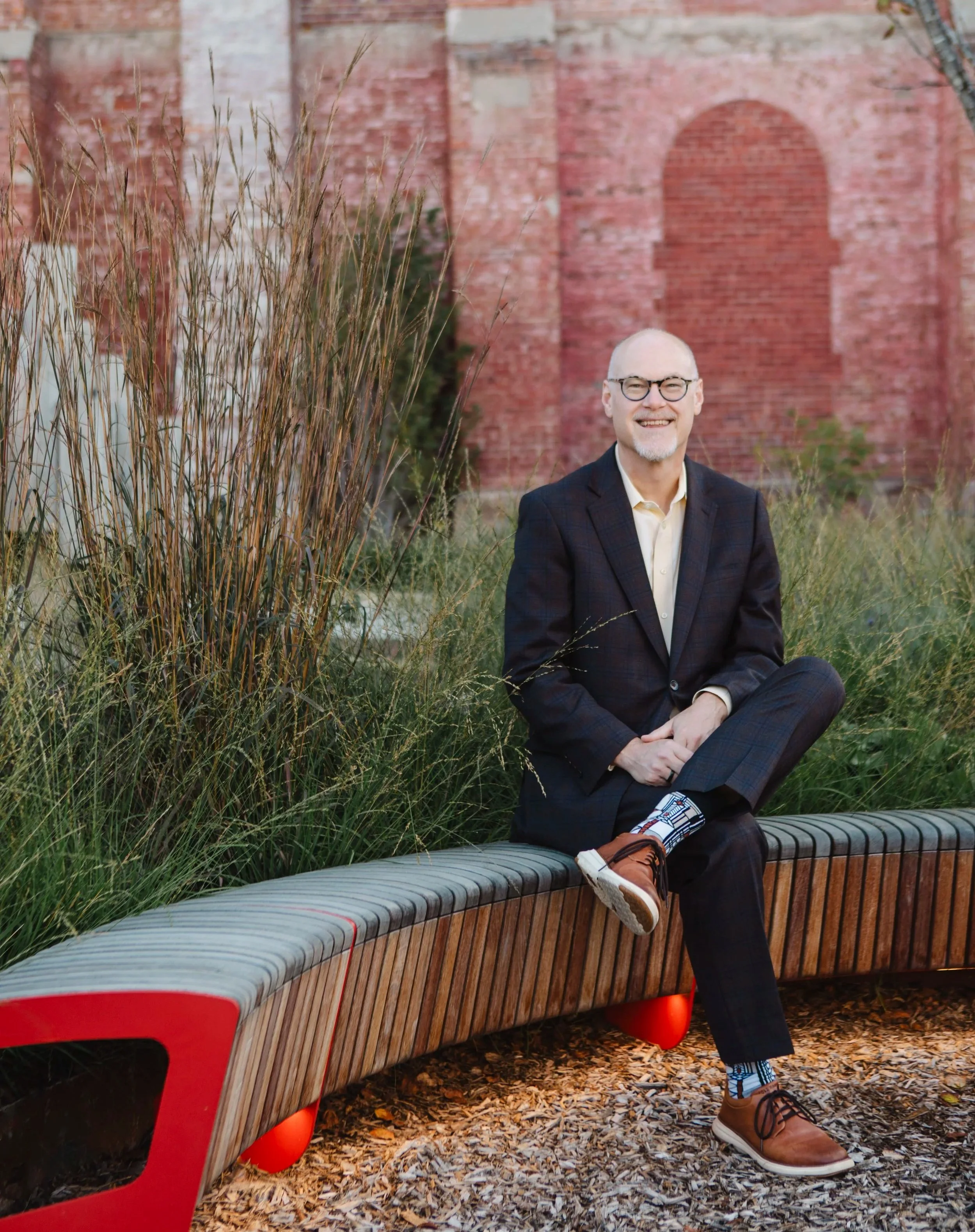
Clarkson Institute CEO Bill Lydiatt, MD. Phot by Sarah Lemke | FASTER Digital Studios
Ask Dr. Bill Lydiatt, CEO of Nebraska’s Clarkson Institute, what the organization’s overarching goal is and his answer is both simple and profound: Make Nebraska the healthiest state.
But he does have a caveat. “We say we want Nebraskans to be the healthiest, but we’re OK if people in the Dakotas and Iowa are healthy, too,” quips Lydiatt with a chuckle, a head and neck surgeon and former CMO at Nebraska Methodist Hospital who is shepherding Clarkson Institute through the biggest transition in its long history.
That history dates back to 1869, when Reverend Robert Harper Clarkson took over the running of the state’s first tiny hospital. For 150+ years, the Clarkson name has been linked to hospital care, healthcare innovation, physician leadership, and health-system development in Nebraska. But as of this year, Clarkson Regional Health Services, under the Clarkson Institute brand, shifted its focus away from supporting direct care in order to devote more resources to cultivating innovative programs and seeding ideas to improve the health of all Nebraskans.
“I tell people that Clarkson is an old organization with a new, evolved vision to make Nebraska the healthiest state through grants, special projects, and thought leadership,” says Lydiatt. “We are almost like a startup, even though we have been around a long time.”
As a "startup", they are already off to an impressive start. With more than $145 million in historical grantmaking and philanthropic support, Clarkson Institute is building on that legacy through an expanded, more intentional approach to funding initiatives across Nebraska. And they are, quite literally, just getting started.
Starting With the Needs
In its newest iteration, Clarkson Institute is uniquely poised to impact health in the state like never before. It can fund other organizations, build its own programs, use data to pinpoint needs, and bring partners together to test ideas, a combination few health systems or traditional foundations can match.
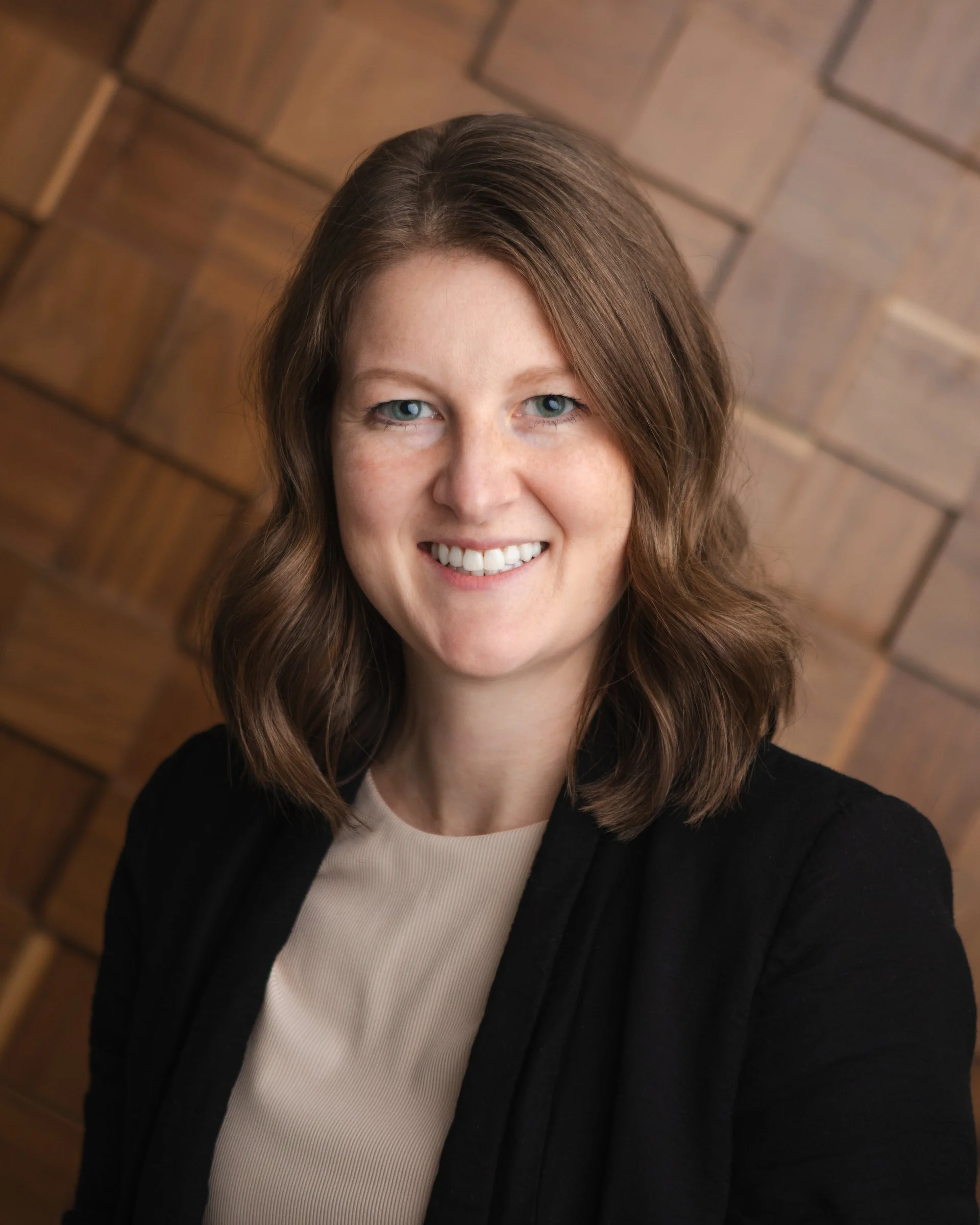
Sarah Stanislav
"We are trying to be very responsive to community needs in both our programs and our grant making," says Program Manager Sarah Stanislav, MPH. Stanislav helped lead community health needs assessments for CHI Health before joining Clarkson Institute just over two years ago. "We are eager to build partnerships and we're open to new ideas. We aren't going to just come in and tell communities what they need or should do."
Instead, Clarkson Institute used data from a variety of community assessments to identify two primary areas of focus: behavioral health and maternal and child health.
“Everyone is impacted by behavioral health in some way, so we moved in that direction first,” says Lydiatt. “Maternal and child health came a close second. If a mother is having problems with depression or other mental illness, the downstream impact is so profound. There is a real multiplying effect of caring for moms.”
Building Bridges
In Nebraska, 88 of 93 counties face a shortage of behavioral health providers. “Workforce is a critical need in all areas, but in behavioral health, it's especially acute,” says Lydiatt.
Recruiting more providers is one answer. But when Lydiatt and a group of physician colleagues, many nearing retirement, met for coffee a little more than six years ago, they asked a different question: How could existing providers be better equipped to handle behavioral health issues in their patients?
he answer became Bridges to Mental Health, a free, two-day seminar that builds the competence and confidence of frontline providers caring for patients with mental health challenges. Three contracted psychiatrists lead in-person sessions on topics like depression, anxiety, and ADHD, and attendees earn 13 CME credits. Seminars rotate around the state so providers don’t have to travel far.
Believed to be the first program of its kind in the nation, Bridges to Mental Health has trained more than 800 providers across Nebraska and the surrounding region in 16 seminars over the past three years, a reach achieved with the additional generous support of The Hawks Foundation.
“We first thought it would just be focused on physicians,” says Stanislav. “But as the program has expanded, we are seeing a lot of mid-level providers, and now we’re tailoring the program for nurses, first responders, and educators, too.”
The program recently introduced a free educational consultation line that connects providers to psychiatrists trained in adult, pediatric, and perinatal psychiatry at the point of care. And next year will bring more seminars, a possible “2.0” version for alumni, and a second program for educators, with versions for pediatric and perinatal providers also in the works.
Further Upstream
If Bridges asks how healthcare can intervene earlier, Clarkson Institute’s Youth Wellness Initiative asks what might happen long before a patient ever sees a provider.
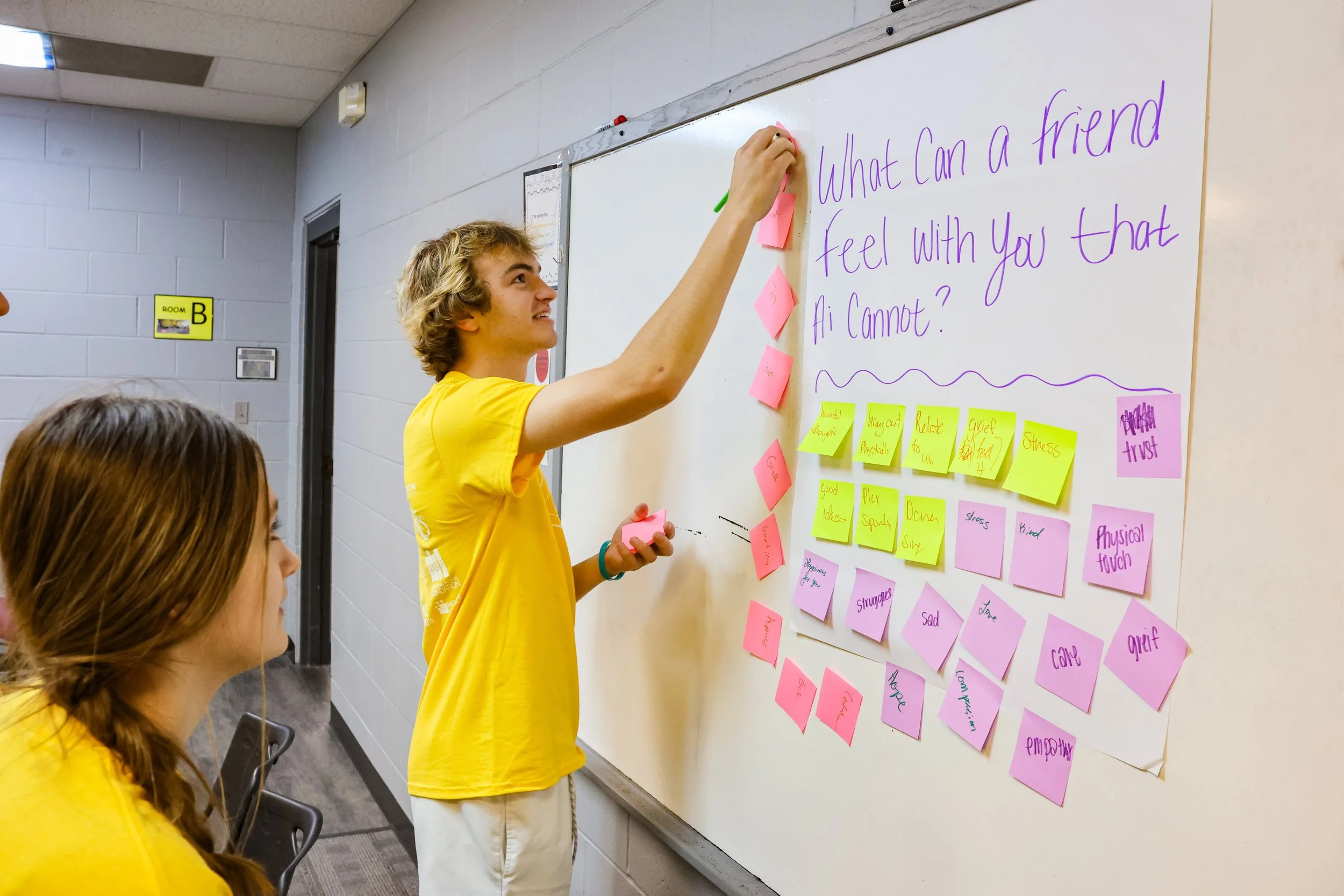
Using Disconnected as a prompt, high schoolers across Nebraska explore the value of human connection in an increasingly digital world at The Kim Foundation's EmPOWER Youth Summit. Courtesy The Kim Foundation
One piece of that work is The ConNEction Project, which uses storytelling and youth voices to spark conversations about mental health. Its first statewide scriptwriting competition, in conjunction with Washington, DC-based Glowmedia Project, drew entries from across Nebraska. The winner, a Nebraska student who wrote about AI chatbots, worked hand-in-hand with the director to produce a film that has now been seen by more than 900 Nebraskans.
Another youth-focused grant recipient is Project Reboot, a Gen Z-led initiative that spurs conversations about screen time to help students build a more intentional relationship with technology.
“The goal here is to give kids, parents, and adults more of a sense of agency over technology, more intentionality about its use,” says Lydiatt.
Investing in What Works
Clarkson Institute’s formal grantmaking, which began in 2022, currently supports more than 20 projects. Three grant cycles are planned for 2027, up from two this year, and Lydiatt expects grantmaking will grow significantly in the coming years.
These include grantees such as Heartland Counseling Services, which provides school-based mental health counseling in northeast and north central Nebraska, and UNMC’s EMBRACE maternal health initiative, which is working to bring ultrasound and other high-tech prenatal care to rural Nebraska hospitals.
Grantees like these work closely with Clarkson Institute to measure impact. Another early grant shows what that can reveal. Omaha Pathways Community HUB trains community health workers in the Omaha areas where distrust of the healthcare system runs deep helping expectant mothers connect to health and social services.
“A preterm or low birthweight birth costs about $108,000 on average," says Lydiatt. "If this works, fewer kids need services and the savings could be astronomical."
So far, so good. Among 176 babies born while in the program, the preterm birth rate after the program's implementation was shown to be about 5% below the Douglas County average, translating to hundreds of thousands in savings. With these and other preliminary results from a grant impact analysis completed by the Institute of Population Health at Creighton University, Clarkson Institute has renewed the grant for an additional two years.
Clarkson Institute invests in physician leaders, too. Its Canedy Scholar Program covers the full cost for one Nebraska physician a year to earn an executive MBA in healthcare administration from the University of Colorado Denver. The program launched in 2012 and Lydiatt was one of its first recipients.
“Healthcare is a very complicated business," he says. "People delivering it need to have a voice and need to be able to speak the language of business so that conversation can be more productive.”
The program selects scholars from both primary and specialty care, and from both academic medicine and private practice.
A Measurement of Hope
All of this feeds Clarkson Institute’s role as a sort of statewide health laboratory. The team tracks metrics like NICU admissions, ER visits, mental health hospitalizations, and preterm births, and is working with many partners to build a maternal and child health dashboard designed to be able to show near real-time results.
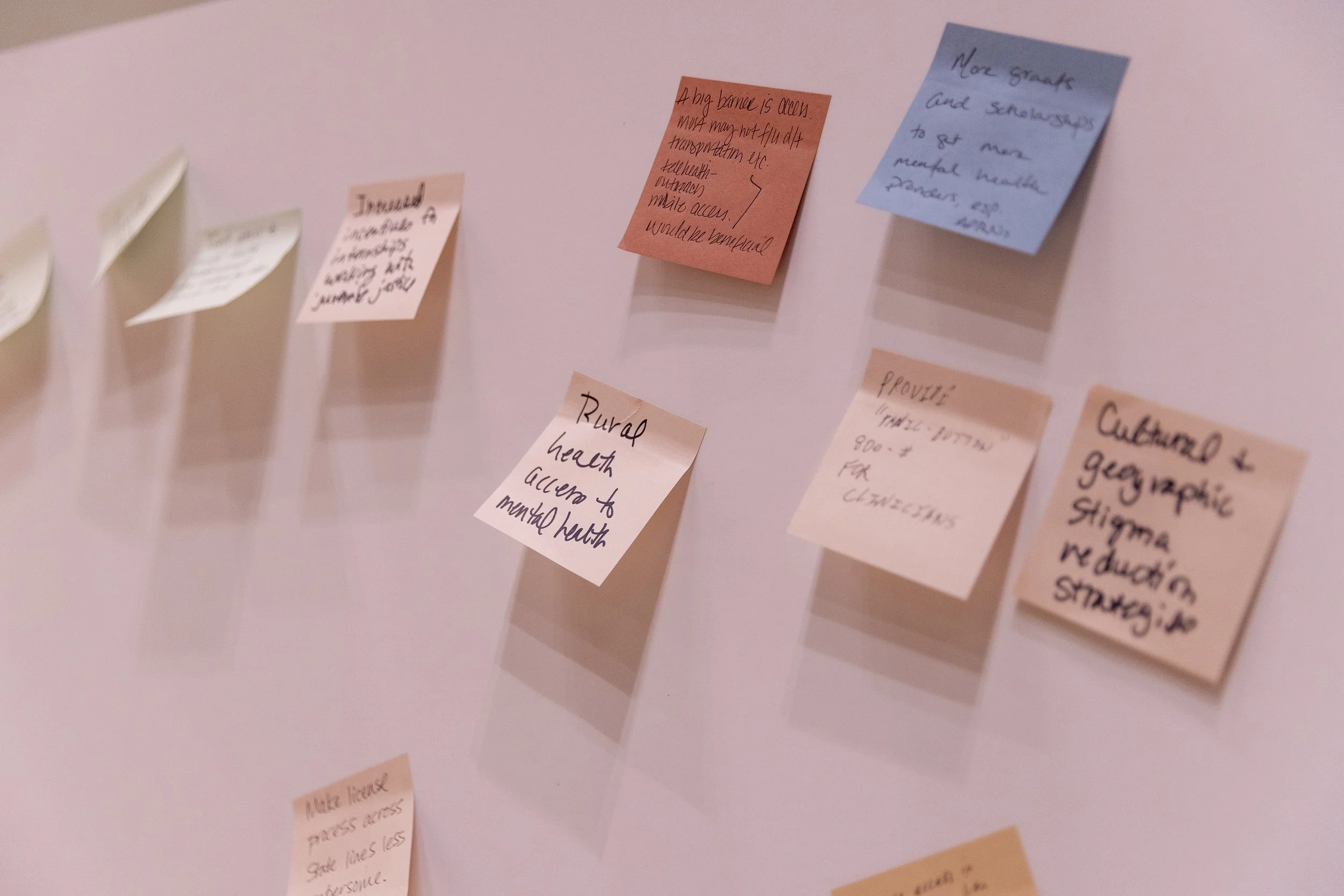
Across all of their programs, Clarkson Institute solicits feedback and perspectives from attendees. Feedback gathered through these prompts helps inform future programming and ensures efforts remain responsive to the needs of the communities they serve. Copyright Anna Reed
Although Nebraska is the focus, Lydiatt hopes Clarkson Institute can become a national model for impacting health outcomes at the community level. Although they no longer measure success in numbers of patients treated, Lydiatt sees the shift as an extension of, rather than a departure from, the organization's original mission.
“Of course we say we want to make Nebraska the healthiest state,” he says. “But we’re also looking at the concept of thriving. It’s really about creating the healthiest state of being, which is so fundamental to overall health. When I have good mental wellness, I'm optimistic. That is our aspiration.”
Click here to watch Clarkson Institute’s award-winning short film, written by a Nebraska student.