
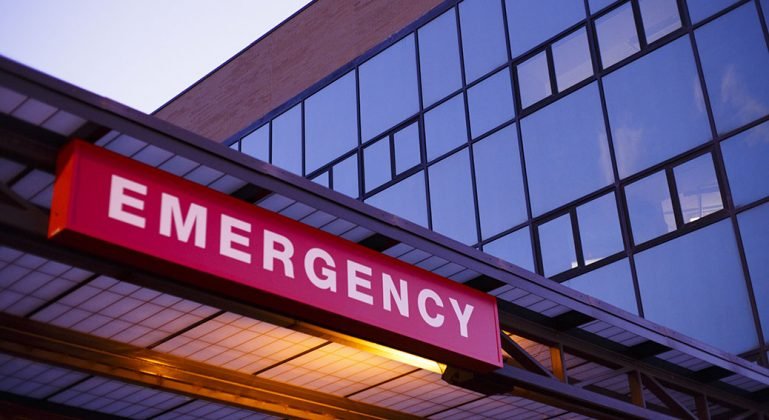
The Emergency Medical Treatment and Labor Act (EMTALA) has been a cornerstone of patient protections for nearly four decades. Yet, as healthcare regulations evolve, hospitals must continue evaluating their policies, staff responsibilities, and procedures to ensure compliance.
During SDAHO’s recent webinar on EMTALA and developments affecting 2027, Laura Dixon, President of Healthcare Risk Education and Consulting, reviewed the law’s foundational requirements, common compliance challenges, patient transfer responsibilities, and emerging maternal health regulations.
Here are five things we learned. After each section, listen to a short clip from the webinar, focusing on that specific takeaway.
1) EMTALA Protections Apply to Everyone Seeking Emergency Care
EMTALA requires Medicare-participating hospitals with emergency departments to provide an appropriate medical screening examination to individuals seeking emergency care, regardless of insurance coverage, citizenship, or ability to pay.
If an emergency medical condition is identified, the hospital must provide stabilizing treatment within its capabilities or arrange an appropriate transfer.
The takeaway: Hospitals cannot delay emergency screening or stabilizing treatment to obtain financial or insurance information. Staff must understand when EMTALA obligations begin and how they apply throughout the emergency care process.
Listen: “Payment cannot delay emergency care”
2) Medical Screening and Documentation Remain Critical
One of the most frequently cited EMTALA deficiencies involves failure to provide an appropriate medical screening examination.
Dixon emphasized the importance of consistent screening practices, maintaining accurate emergency department logs, and documenting situations when patients refuse treatment or leave before care is completed.
She also reminded participants that triage and a medical screening examination serve different purposes. Triage determines how quickly a patient needs attention, while the screening examination determines whether an emergency medical condition exists.
The takeaway: Review screening procedures, documentation practices, and staff training to ensure patients receive consistent and appropriate evaluations.
Listen: “Triage is not a medical screening examination”
3) On-Call Physicians Have Important Responsibilities
Hospitals must maintain appropriate on-call physician coverage to support emergency services.
Dixon discussed the importance of clearly defining physician response expectations, establishing reasonable response times, and ensuring on-call providers understand their responsibilities when requested to assist with emergency patient care.
For rural hospitals, coordinating specialty coverage and communicating with emergency medical services can be especially important.
The takeaway: Review on-call schedules, physician response policies, and communication procedures. Clear expectations can help prevent delays in emergency treatment.
Listen: “On-Call physician response and back up plans”
4) Appropriate Patient Transfers Require More Than Finding an Available Bed
When a hospital cannot provide the specialized care a patient needs, EMTALA outlines requirements for appropriate transfers.
Dixon explained that hospitals must consider their capabilities and capacity, provide treatment to minimize risks before transfer, obtain necessary certifications or consent, and ensure the receiving facility has the ability to care for the patient.
Transfer documentation, medical records, appropriate transportation, and qualified personnel are also essential.
The takeaway: Hospitals should regularly review transfer agreements and procedures, especially when coordinating care with regional referral centers or specialized facilities.
Listen: “Appropriate patient transfers”
5) Maternal Emergency Readiness Deserves Continued Attention
Maternal health regulations were another important focus of the webinar.
Dixon discussed requirements related to obstetric emergency preparedness, including equipment, emergency protocols, staffing, quality improvement, and patient transfers.
She also highlighted proposed regulatory changes affecting certain maternal health training requirements, emphasizing the importance of monitoring developments as requirements evolve.
The takeaway: Hospitals should evaluate their readiness to respond to obstetric emergencies, even when they do not routinely provide labor and delivery services. Staff preparedness, established protocols, and coordination with receiving facilities remain important.
Listen: ”Obstetric emergency readiness”
Keep Learning with SDAHO
Understanding EMTALA is about more than regulatory compliance. It is about ensuring patients receive timely, appropriate emergency care when they need it most.
Whether you work in hospital leadership, emergency services, risk management, compliance, or clinical care, this webinar offers valuable reminders and practical considerations for your organization.
Missed the webinar or want to revisit the discussion? SDAHO members are encouraged to watch the recording on demand, review the additional resources shared by the presenter, and consider how these lessons apply to their facilities.
Watch the Webinar: Click Here
Explore More SDAHO Education: sdaho.org