
Sanford Health to Highlight Workforce Readiness and Human-Centered AI at Augustana University Summit
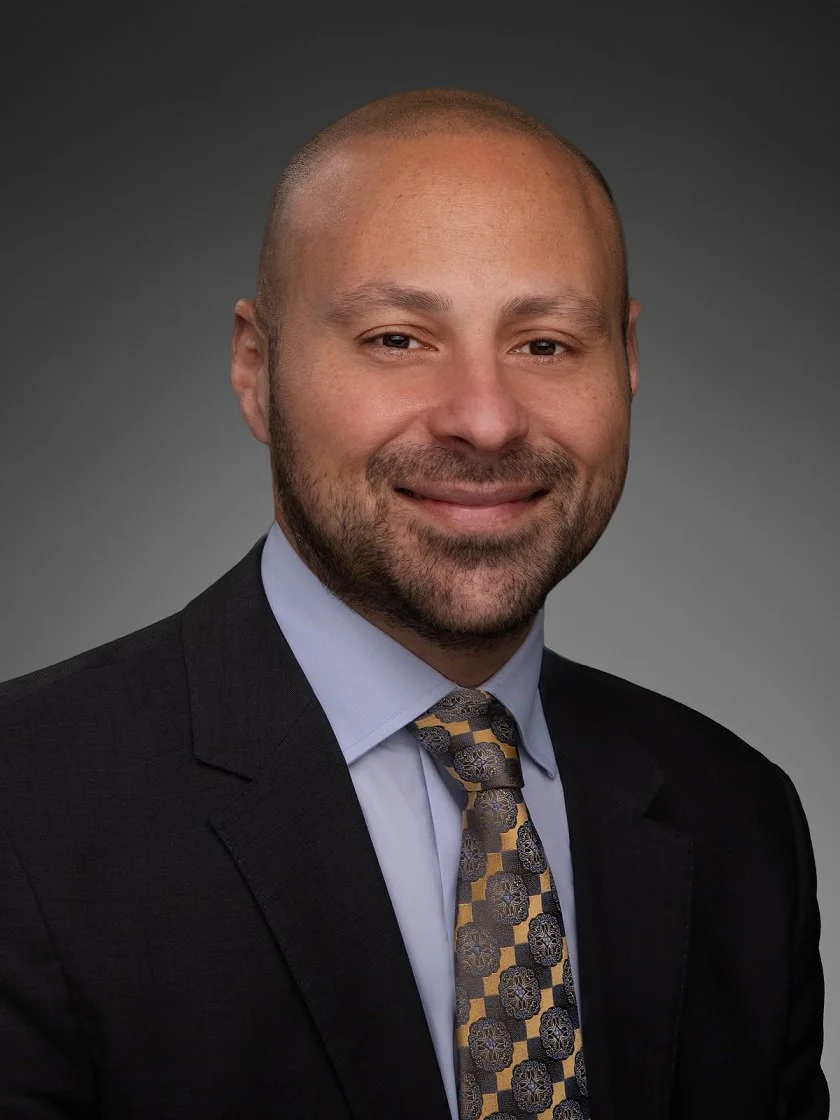
Tommy Ibrahim
Sanford Health’s chief transformation officer is joining leaders from Google and Augustana University for a one-day conference focused on preparing students for a world in which AI is increasingly ambient, but where human judgment, ethics and curiosity remain essential. The Applied AI Summit: A Future-Ready Workforceat Augustana University in Sioux Falls, South Dakota, convenes students, faculty, industry, civic leaders and health care professionals for a focused exploration of how artificial intelligence is transforming education, business and health care.
In collaboration with Google Public Sector and regional partners, this immersive experience moves beyond theory to practical application, equipping participants with hands-on exposure to AI tools, cross-sector insight and actionable strategies for responsible adoption. The summit centers students in the workforce conversation while advancing institutional and industry collaboration to ensure graduates are technically fluent, ethically grounded and prepared to lead in an AI-augmented economy
Tommy Ibrahim, M.D., executive vice president and chief transformation officer, is a featured speaker in the session entitled, AI & The Future Workforce: A Cross-Sector Conversation. Joining Ibrahim isBishop Constanze Hagmaier and David Golemboski, Ph.D., MTS, associate professor of government and international affairs. Joel A. Johnson, Ph.D., provost and executive vice president at Augustana University, will moderate the session.
“I am looking forward to engaging with students and faculty on how we prepare for a future where AI is increasingly embedded in how we work,” said Ibrahim. “At Sanford Health, we are focused on building AI literacy, engaging our workforce early and implementing strong governance to ensure these tools are safe, trusted and aligned with our mission. We’re also taking a disciplined, problem-first approach to innovation – focusing on where AI can have the greatest impact in care delivery and operations. Ultimately, what we do in health care will not change, but how we do our work must – and when done well, AI can reduce administrative burden, enhance decision-making and strengthen the human connection at the center of care.”
A board-certified hospitalist, Dr. Ibrahim received his doctor of medicine degree from St. Christopher’s IMD College of Medicine and completed his internal medicine residency at Greater Baltimore Medical Center, an academic affiliate of Johns Hopkins and is licensed in multiple states. He holds a master of business administration degree from Columbia University, a master of healthcare administration degree from Seton Hall University and is a fellow of the American College of Healthcare Executives and a fellow in hospital medicine.