
Sanford Health Fargo Re-Verified As Level I Adult Trauma Center
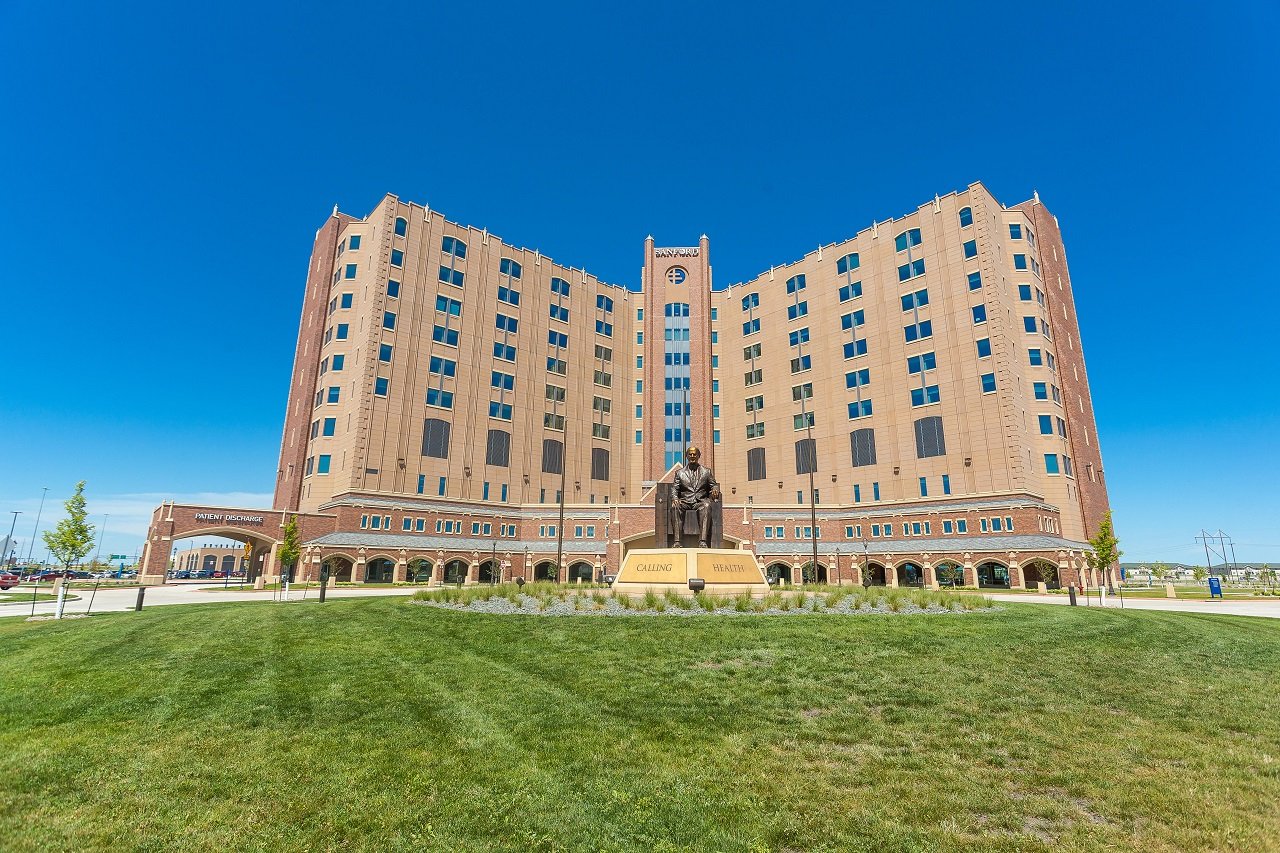
Sanford Medical Center Fargo was recently re-verified as a Level I Adult Trauma Center by the American College of Surgeons. Sanford Fargo is the only Level I Adult Trauma Center in North Dakota.
Sanford Fargo first achieved Level I Adult Trauma Center status in 2018. Being designated a Level I Trauma Center means Sanford Medical Center Fargo is capable of providing total care for every aspect of injury – from prevention through rehabilitation. A Level I Trauma Center provides the highest level of surgical care to trauma patients. It has a full range of specialists and equipment available 24 hours a day and must admit at least 1,200 trauma patients a year.
“We take a lot of pride in being the only Level I Trauma Center in North Dakota,” said Tiffany Lawrence, president and CEO of Sanford Fargo. “You never know when an emergency will affect you or a loved one, but when an emergency does occur, the investments we’ve made to provide these crucial emergency services close to home has been a game-changer for our community. We are grateful for our entire staff that take care of our patients and families. They are the backbone in helping us provide world-class health care to the communities we serve.”
Sanford Medical Center Fargo actively supports the state trauma systems in North Dakota, Minnesota and South Dakota. Earlier this month, Sanford USD Medical Center became the only Level I Adult Trauma Center in South Dakota.
Established by the American College of Surgeons in 1987, the Committee on Trauma’s Consultation/Verification Program for Hospitals promotes the development of trauma centers in which participants provide not only the hospital resources necessary for trauma care, but also the entire spectrum of care to address the needs of all injured patients.
A Level I Trauma Center is required to have a certain number of surgeons and operating room availability to accommodate small surges in surgical activity without compromising patient care 24/7.
Qualifications met to achieve this verification include:
Provide 24-hour medical and surgical coverage by general surgeons (including back-up coverage) and prompt availability to specialties such as emergency medicine, orthopedic surgery, neurosurgery, cardiothoracic surgery, vascular surgery, hand surgery, anesthesiology, radiology, plastic surgery, oral and maxillofacial, pediatric, obstetrics, otolaryngology, plastic surgery, interventional radiology, ophthalmology, urology, critical care and many other services along a full spectrum of surgical and medical specialists.
Serve specific volumes of severely injured patients
Help direct new innovations in trauma care through a successful trauma research program
Provide orthopedic care overseen by an individual who has completed a fellowship in orthopedic traumatology
Maintain a surgically directed ICU service
Train surgical residents
Serve as a referral source to regional communities
Provide leadership in prevention through public education
Provide continuing education for trauma team members
Incorporate a comprehensive quality improvement program
Such centers are also required to have a rigorous performance-improvement program, keep an extensive database and submit data to the National Trauma Data Bank.
For more information, visit sanfordhealth.org.