Primary Focus
Seven primary care providers speak candidly about administrative burden, patient trust, and the tools they need to thrive
By Alex Strauss
At the end of each year, we invite a group of healthcare professionals in our region to share their insights on what's working - and what could be working better - in their practices. This year, we posed two questions to seven primary care providers from across South Dakota, Southwest Minnesota, and Northwest Iowa. From the high cost of care to countering misinformation to preparing for AI, their answers provide a fascinating glimpse into life in rural primary care today.
Question #1: What was the biggest challenge you faced as a primary care provider in 2025?
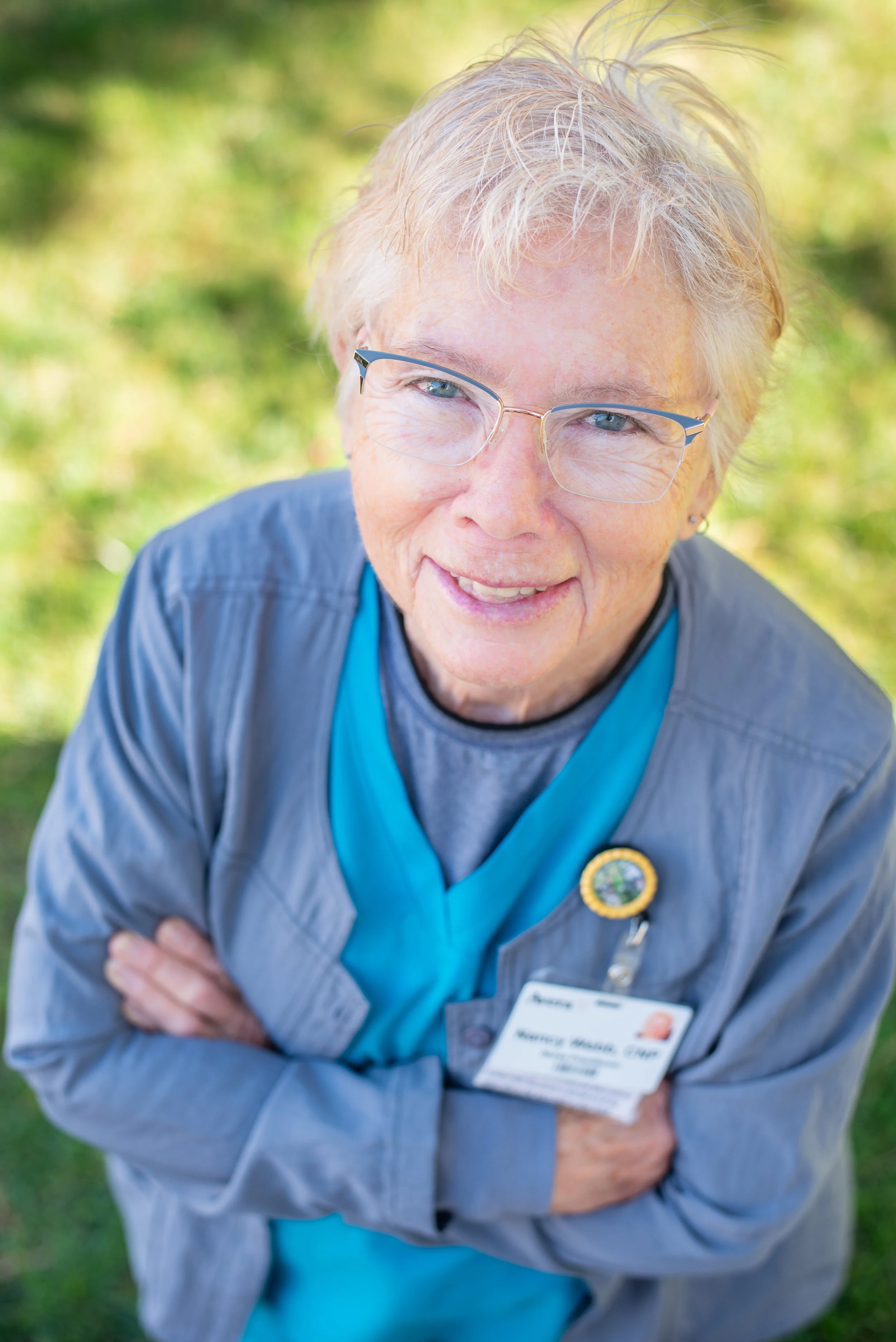
Nancy Webb, CNP
Nancy Webb, CNP, Primary Care
Landmann Jungman Memorial Hospital Avera, Scotland, SD
Challenges are nothing new to providing primary care in rural areas. Being able to provide cost effective care to our patients is a daily challenge, whether it be pre-authorizing medications or diagnostic tests, accessing specialized treatments, trying to help patients understand how putting off care is more costly, or making sure that patients can follow through with recommendations with limited financial resources.
This additional financial strain on patients adds to provider workloads and takes a lot of time. I try to balance my treatment recommendations with where the patient is at, medically and financially, when they share that finances are a struggle. That is the best way I have found to treat the whole person in family medicine. Helping patients remove barriers to care where I can, is something that I take a lot of pride in.
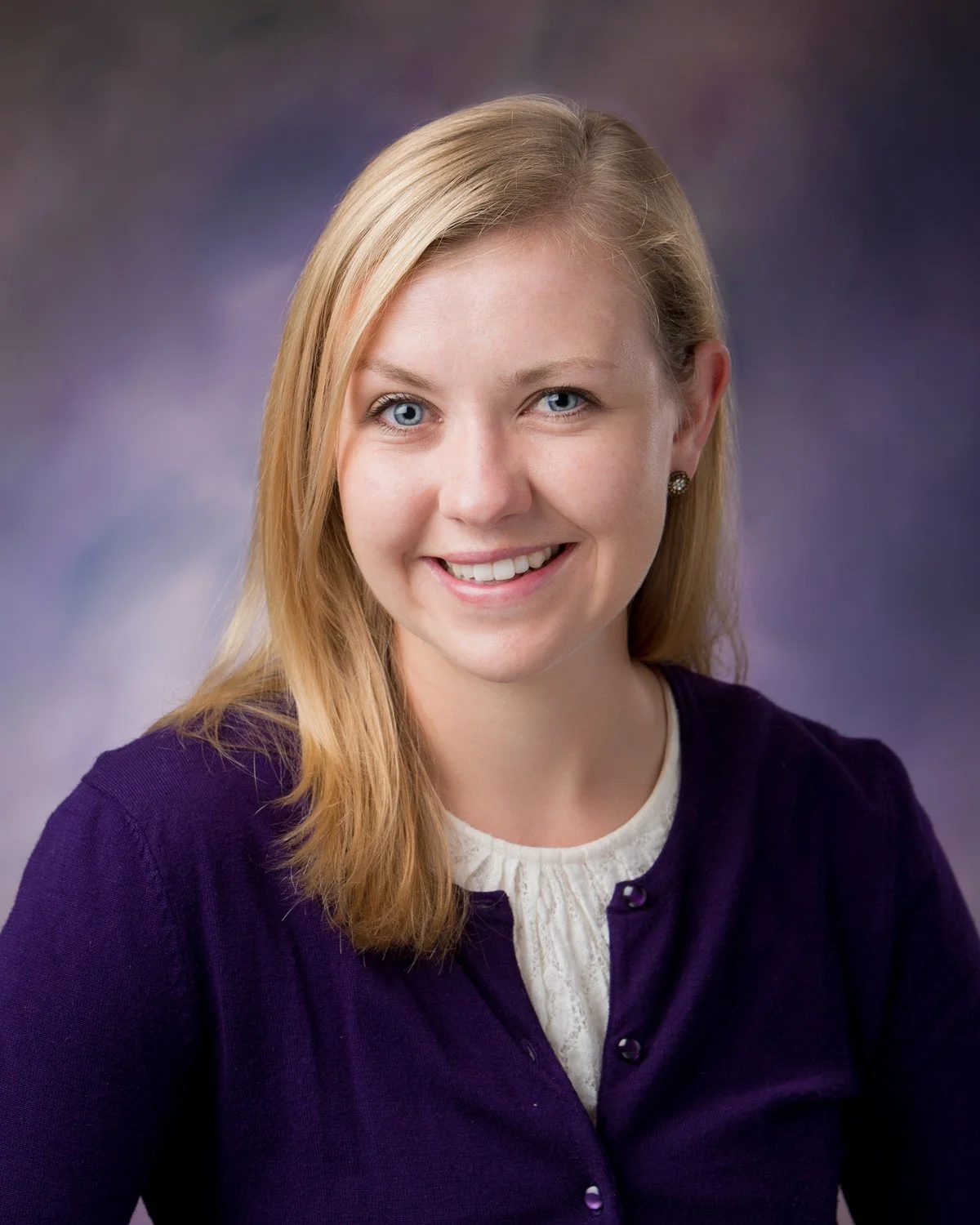
Tracy Davies
Tracy Davies, MD, Family Medicine
Monument Health Spearfish Clinic, Spearfish, SD
The biggest challenge I've faced is navigating the increasing misinformation and misleading health information that patients encounter. Since COVID-19, there's been growing mistrust of our medical system. Patients often arrive with conflicting information from various sources, and sorting through these misconceptions in the exam room takes considerable energy and time away from other aspects of care.
Sorting through the "noise" of companies selling a quick fix for complex medical issues or social media accounts providing baseless medical advice has become a larger part of my practice. I practice evidence-based medicine and take my oath to "do no harm" seriously, as do my colleagues. Building relationships and maintaining trust has become as essential as clinical expertise in providing effective primary care and help patients make the best decisions for themselves and their health.
Alexandra Gauer, DO, Family Medicine
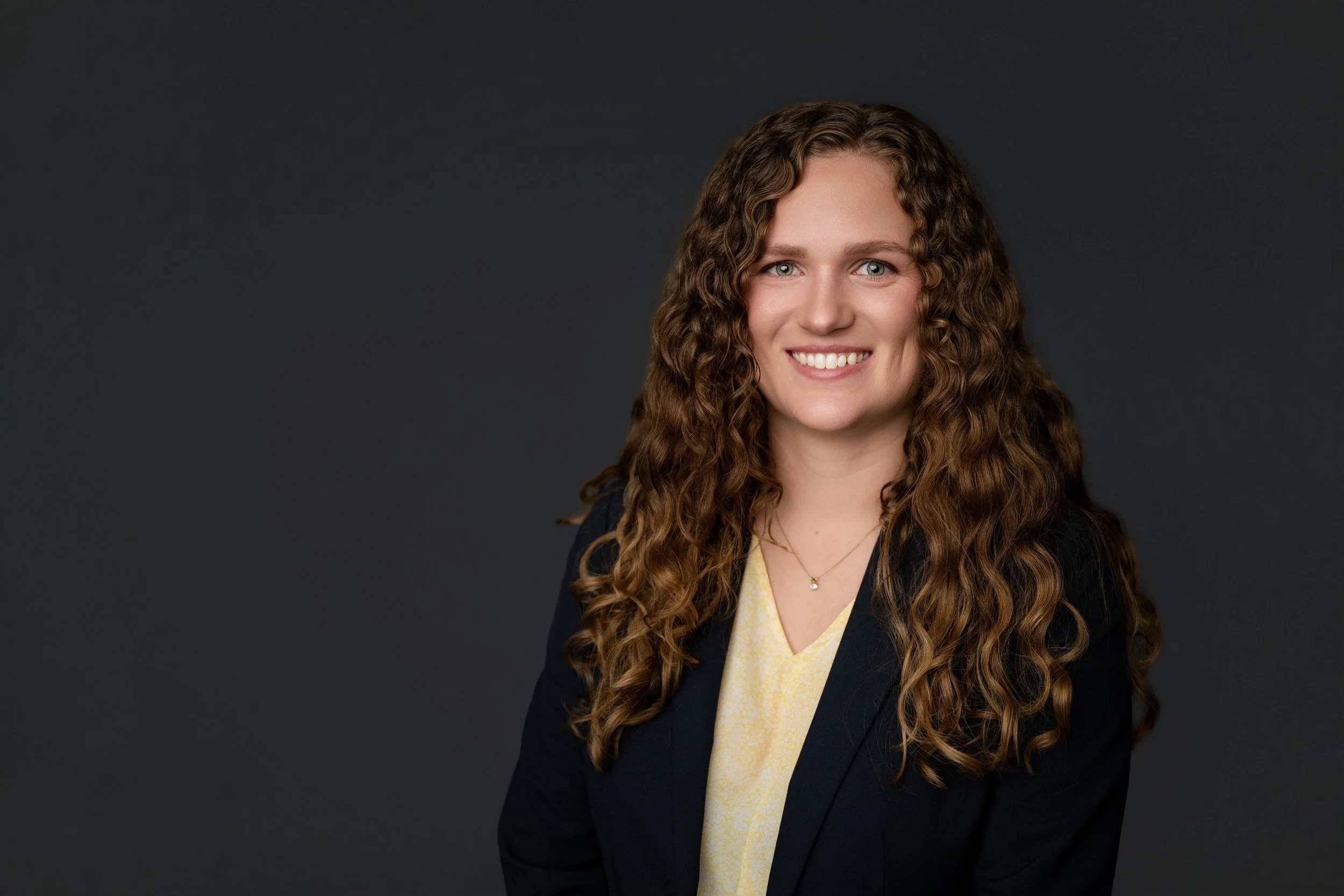
Alexandra Gauer
Prairie Lakes Brown Clinic–Northridge, Watertown, SD
One of the biggest challenges I faced as a primary care provider this last year has been difficulty with insurance coverage. Whether it is a simple denial for a medication that is considered first or second line, or a denial because I am not a specialist, it is a hindrance to providing patient care.
The other great challenge of the last year has been the increasing mistrust of science and medicine and large amounts of misinformation. This frequently plays out in the exam room and makes patients fearful of evidence-based medicine which puts their health at risk despite them believing the opposite. It is possible to combat this with education and empathy, but it is often difficult to overcome that fear which makes treating patients more complicated and occasionally less successful.
In primary care, the goal is always to prevent disease before it occurs, but this is becoming more difficult as people are reluctant to trust modern science and medicine.

Emily Penning
Emily Penning, MD, Family Medicine
Sanford Worthington Clinic, Worthington, MN
The biggest challenge I have faced as a primary care provider in 2025 is juggling administrative burden, insurance denials and coordination of care for patients. Our clinic serves a diverse population, many patients who speak a language other than English as their primary language. This can make it difficult to evaluate health literacy and requires more follow through to ensure patients are understanding their diagnoses, plans of care and appropriate follow up needs.
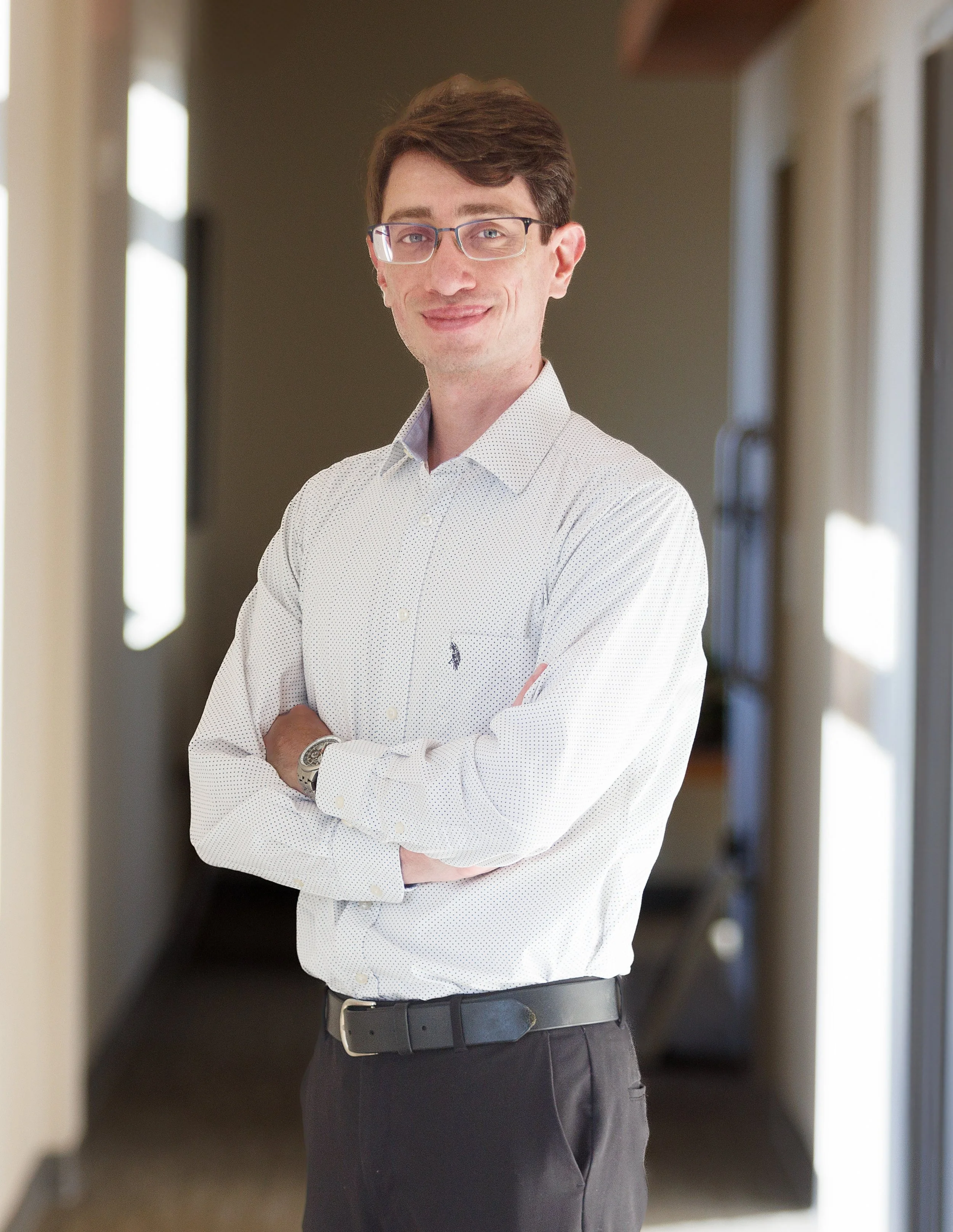
Sean Schooley
Sean Schooley, MD, Pediatrics
Huron Regional Medical Center Physicians Clinic, Huron, SD
The biggest challenge that I faced over this year has been navigating ways to provide care for those who are unable or hesitant to receive care. This includes both disadvantaged groups who are fearful of costs without social safety nets, or deportations, as well as groups who are disillusioned by the pandemic and the constantly changing vaccination recommendations that they are simply abstaining from preventive care altogether.
Especially in a rural community where there are less robust social support networks, even small changes can have large effects. This then affects the full spectrum of people in the community who need care because without the support for the disadvantaged, the resources for all must be readjusted. It isn’t like we stop providing care just because someone can’t afford it – we all just suffer slightly more, together. Similarly, when many choose not to vaccinate, the ability to provide these services is lessened, and the global cost on the healthcare system is increased.
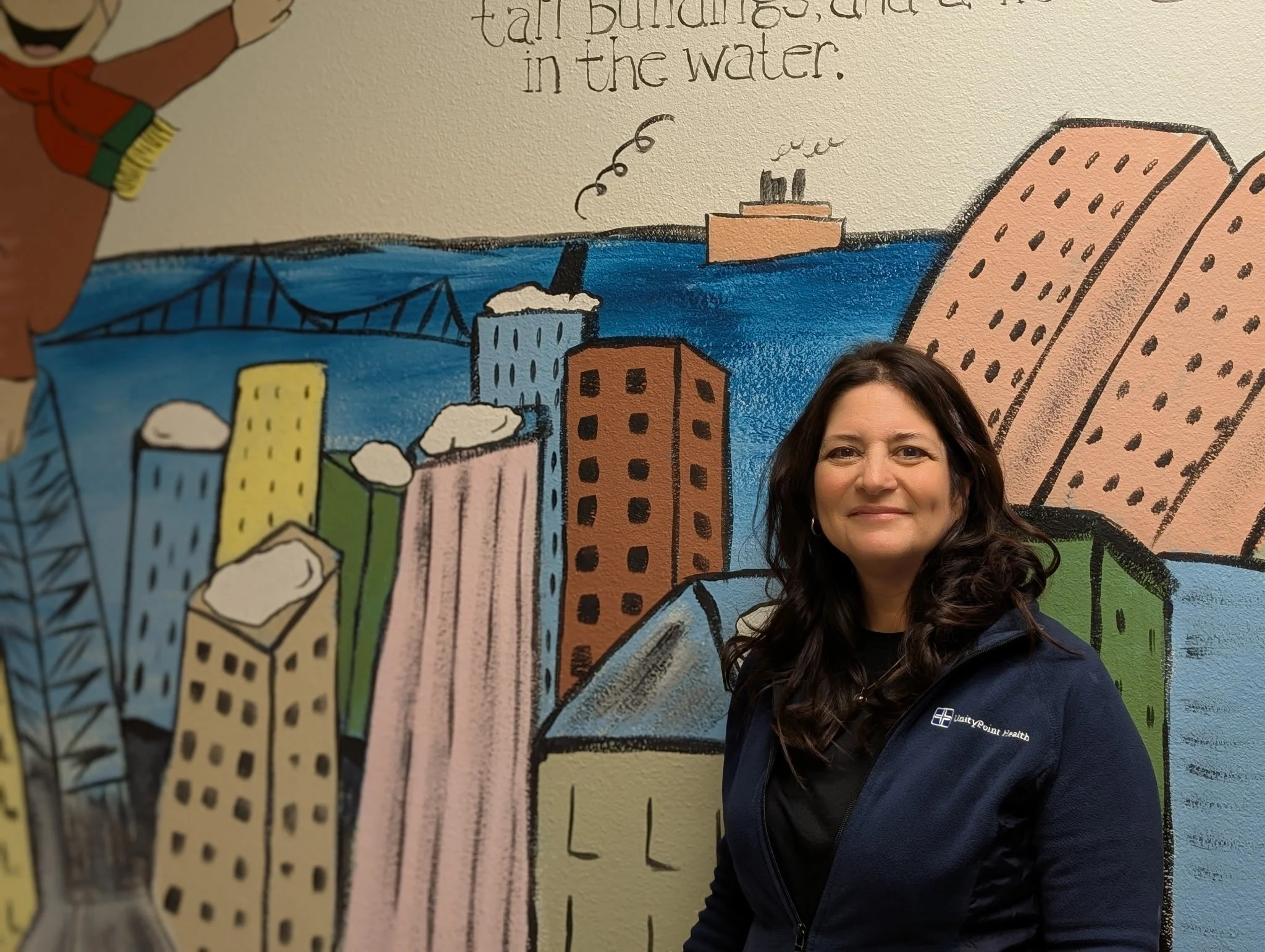
Tonya Winekauf
Tonya Winekauf, ARNP, Family Medicine
UnityPoint Clinic Family Medicine–Singing Hills, Sioux City, IA
The biggest challenge I faced as a primary care provider in 2025 was navigating the impact of a shrinking workforce. With primary care providers making up less than five percent of the overall healthcare workforce, the demand for services far exceeded the available supply. This shortage often meant working extended hours and managing a growing number of complex cases with limited resources.
The lack of adequate funding from Medicare and Medicaid only intensified the issue, particularly in rural and low-income areas where access to care was already limited. I often witnessed how delayed or insufficient access to care contributed to worsening chronic conditions such as diabetes and heart disease. Balancing the desire to provide high-quality, patient-centered care with the reality of systemic limitations was both the most challenging and the most defining aspect of my experience as a provider in 2025.
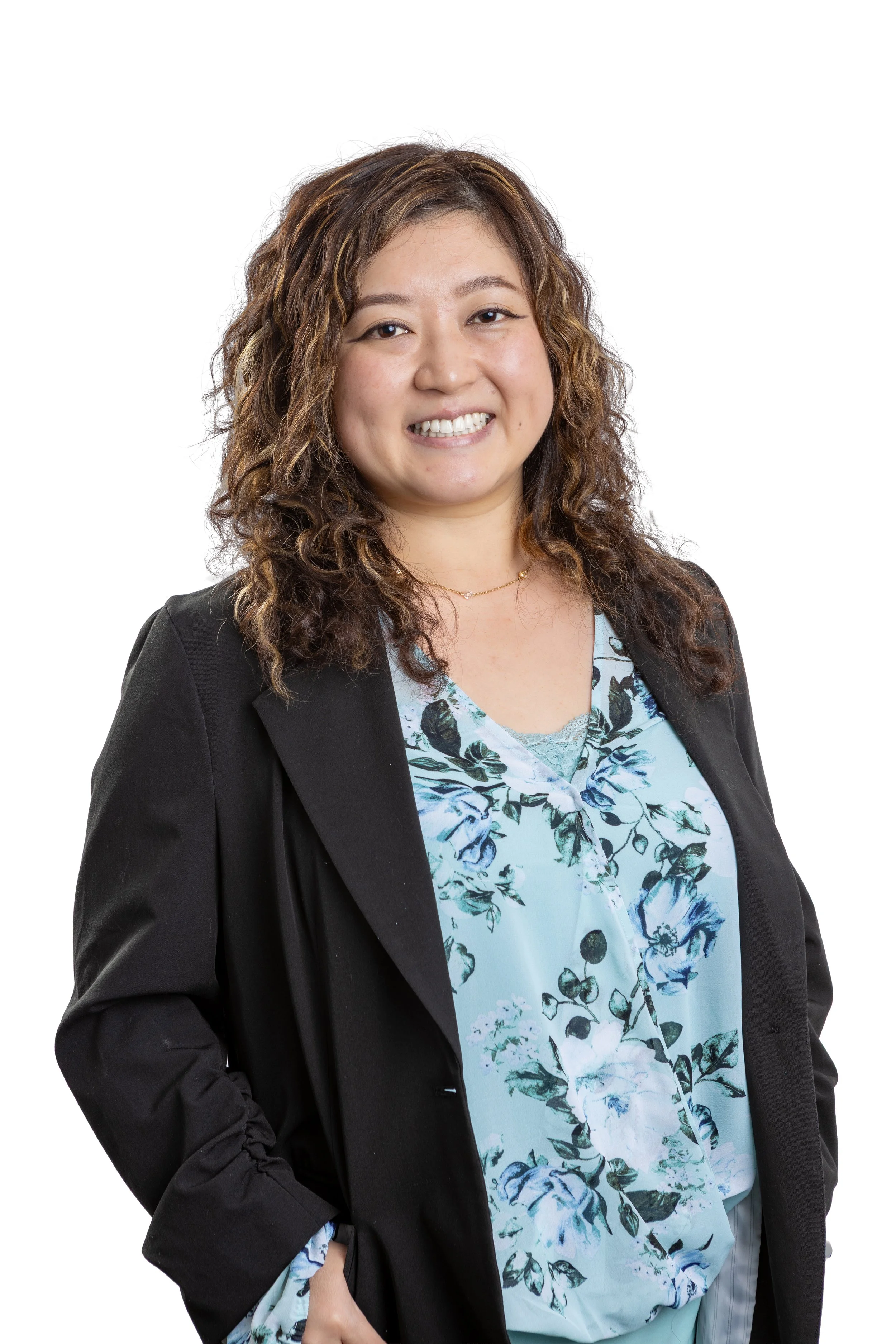
Erika Toyoda
Erika Toyoda, MD, Primary Care
Rapid City Medical Center, Medical Arts Clinic, Rapid City, SD
Healthcare professionals have and will continue to face various challenges over time, but my biggest challenge this past year has been the general public’s mistrust of modern medicine. The vast wealth of information on the internet is wonderful, yet dangerous when used incorrectly. I imagine that this issue will only continue to worsen with further technological advances and the rise of AI.
One of my mottos the past few years has been that, what is natural does not always mean safe or best. It is ironic that Science built these powerful tools and also has led so many to distrust Science.
On the other hand, this is another instance that portrays the continued need for human hands in the art of medicine. As a primary care provider, one of my goals is to continue to build the relationships with my patients that will overcome the influences of “Dr. Google”.
Question #2: What's on your wish list of things that would make your job easier or more effective in 2026?
Nancy Webb
Nancy Webb, CNP, Primary Care
Landmann Jungman Memorial Hospital Avera, Scotland, SD
Although I’m generally pretty content with my job, there are a few things that would make it easier. Electronic Medical Records (EMR) have their benefits but I am looking forward to moving to a more user friendly EMR with AI that can be used safely and effectively to help speed up clinical documentation. That would mean less time after “normal” working hours spent on the computer, which would be great.
I would feel like a more effective provider if I could have all patients be receptive to preventative care. Preventative care is so important and seems to be undervalued by a lot of people. As a provider, I know the importance of preventative care and how much more effective I could be if we could convince everyone the importance of prevention.
The last thing on my wish list would be to have power exam tables in all the clinic rooms, so it would be easier to get patients on and off the tables, especially geriatric patients. Who knows, maybe Santa will read this and we will get a special delivery!
Tracy Davies
Tracy Davies, MD, Family Medicine
Monument Health Spearfish Clinic, Spearfish, SD
I'm optimistic about artificial intelligence continuing to transform primary care practice. Over the past year, AI has drastically improved my efficiency, particularly with documentation and patient notes. This technology allows me to spend more time on what truly matters—connecting with patients and addressing their health concerns.
Looking ahead to 2026, I'm eager to see AI further minimize medical errors and enhance clinical efficiency. The potential for AI to support diagnostic accuracy, flag medication interactions, and streamline administrative tasks could be transformative for both patient safety and provider sustainability in primary care.
Alexandra Gauer
Alexandra Gauer, DO , Family Medicine
Prairie Lakes Brown Clinic - Northridge, Watertown, SD
My wish list would include a decrease in the number of prior authorizations required for treatment plans that are considered standard of care. This red tape often creates more work and spends more healthcare dollars than the treatment requested in the first place as we try ineffective approaches first despite knowing these will likely fail.
The decrease of that red tape would make clinic workflow significantly smoother and less frustrating for the entire healthcare team. We must be efficient with our time in clinic and arguing with insurance companies to provide our patients with the care they need and deserve can be quite disheartening.
Emily Penning
Emily Penning, MD, Family Medicine
Sanford Worthington Clinic, Worthington, MN
I believe having more in-clinic support such as pharmacists embedded in the clinic would be beneficial. Also, expanding our current number of in-person interpreters to deliver care more effectively to our diverse population. I could also be more effective if I had less administrative burden of paperwork and documentation requirements.
Sean Schooley
Sean Schooley, MD, Pediatrics
Huron Regional Medical Center Physicians Clinic, Huron, SD
The biggest thing that I would wish for would be consistency. Regardless of what or how many resources are available, even just knowing that information would allow for more effective planning and allocation.
I want to be able to care for my patients and be able to provide the same care week after week and not have to worry about whether the resources I provided last week will still be available this week. People should be able to walk into a doctor’s office and have a reasonable expectation of what will happen and what care can be provided.
Tonya Winekauf
Tonya Winekauf, ARNP, Family Medicine
UnityPoint Clinic Family Medicine – Singing Hills, Sioux City, IA
My wish list includes increased funding for Medicaid and Medicare, which can profoundly affect the lives of individuals in rural and low-income communities by expanding access to preventive services and chronic disease management.
When financial and logistical barriers are reduced, individuals are more likely to seek timely medical care, attend scheduled appointments, and access specialized services. These improvements not only enhance individual well-being but also contribute to broader public health goals, including the reduction of health disparities and the promotion of equitable health outcomes.
Erika Toyoda
Erika Toyoda, MD, Primary Care
Rapid City Medical Center, Medical Arts Clinic, Rapid City, SD
Gone are the days when a health care provider could just treat the patient. I doubt that anyone’s dream job when they chose healthcare was to spend the majority of their days facing a computer screen or fighting insurance companies, but this is the world we now endure.
My wish list of things that would improve my work largely revolve around things that would diminish administrative burden. Similarly to how we review a patient’s medication list, EHR systems should constantly be reviewed to reduce the redundancy in computer “clicks” and streamline processes.
As much as we despise computers sometimes, AI may eventually be a saving grace. As I frequently tell my patients who are caregivers, you cannot take care of someone else if you do not take care of yourself first. Hopefully we can move towards a future that reduces our time with computers and increases our time with patients and family.