
Learn The Stroke Warning Signs During National Stroke Awareness Month
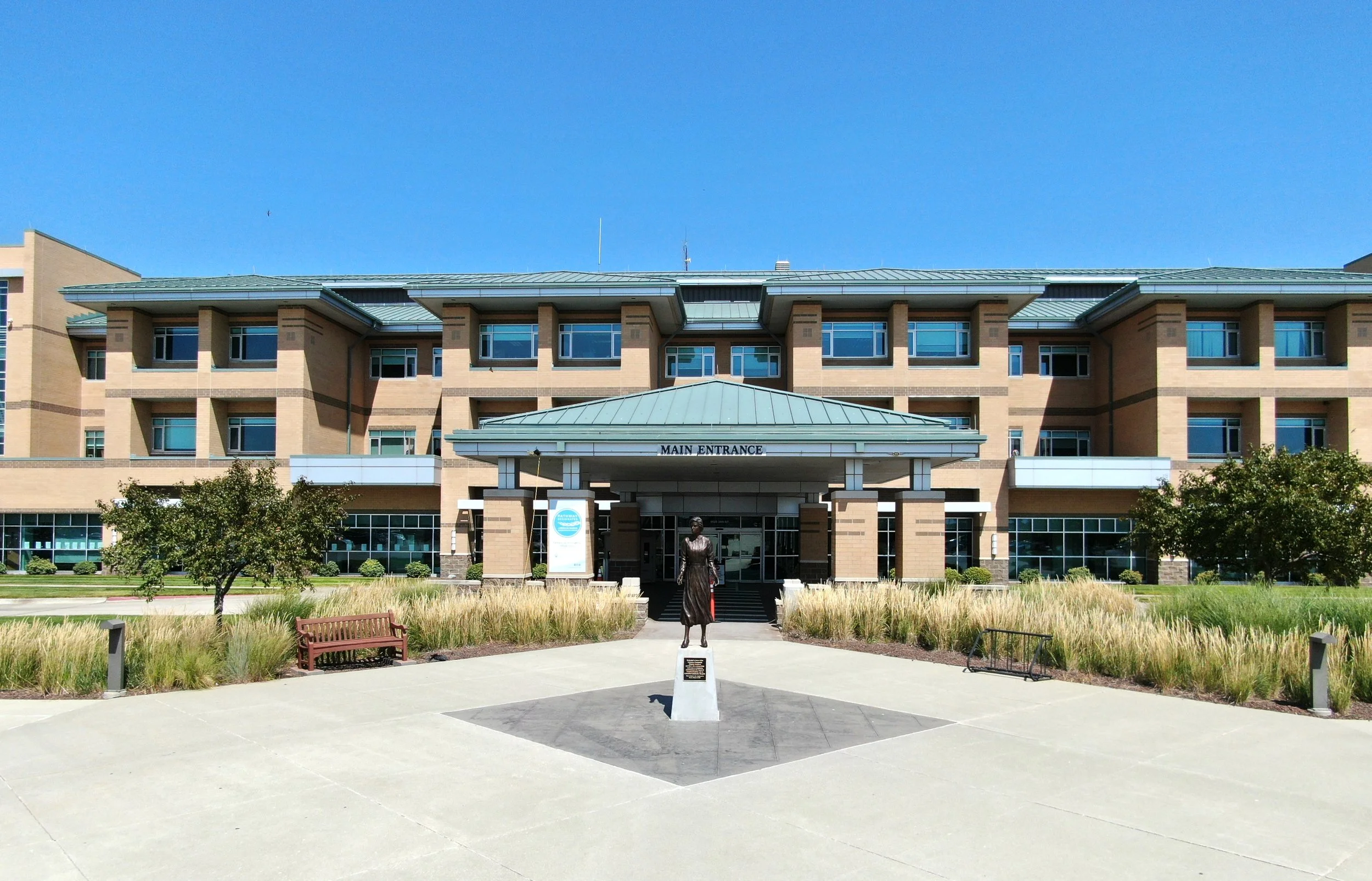
Every 40 seconds, someone in the United States has a stroke, and every four minutes, someone dies of a stroke. Columbus Community Hospital (CCH) is committed to helping stroke patients achieve the best possible long-term outcomes. From emergency medical treatment to rehabilitation, CCH is the "where" for stroke care.
Strokes are sometimes called "brain attacks," and occur when a blood vessel bringing oxygen and nutrients to the brain is clogged or bursts. The chances of surviving a stroke are much greater when treatment begins quickly.
"It's important for people to know stroke symptoms and what to do if they occur," said Dr. Mark Howerter, chief medical officer for the hospital. "The place to go is the emergency department, and quickly. Calling 911 is very appropriate, because we often see too many people who show up too late."
Blood deprivation to the brain can affect a stroke victim's senses, motor activity, speech and ability to understand speech, behavior and thought patterns, memory and emotions. Paralysis or weakness on one side of the body is common. Call 911 if the following symptoms suddenly appear:
Numbness or weakness of the face, arm or leg - especially on one side of the body.
Trouble seeing out of one or both eyes, or blurred or double vision.
Confusion or trouble speaking or understanding.
Loss of balance or coordination, trouble walking or dizziness.
A severe headache of unknown cause.
"We can't give treatments that decrease or reverse disability unless we see patients within the first two to three hours," Howerter said. "That window gives us time to do the types of testing needed to ensure the patient qualifies for the current treatment protocols. If we see the patient too late, they can no longer receive the preferred treatments because of the danger associated with treating strokes too late. The emergency department is the only place these rapid assessments and treatments can be delivered."
If you think someone may be having a stroke, getting medical help quickly is vital to saving a life and minimizing disability. The BE FAST acronym helps you remember what you can do:
Balance. Ask the person if they feel off-balance.
Eyes. Ask them if they have sudden vision loss or change.
Face. Ask the person to smile. Does one side of the face droop?
Arms. Ask the person to raise both arms. Does one arm drift downward?
Speech. Ask the person to repeat a simple sentence. Is the speech slurred or strange?
Time. If the person shows any of these signs, call 911 immediately. Note the time when symptoms first occurred.
To learn more about the prevention and treatment of strokes and transient ischemic attacks (TIAs), consult your doctor or visit columbushosp.org<http://www.columbushosp.org>.