
[Sponsored] Community Health Workers; Making A Difference Across the State
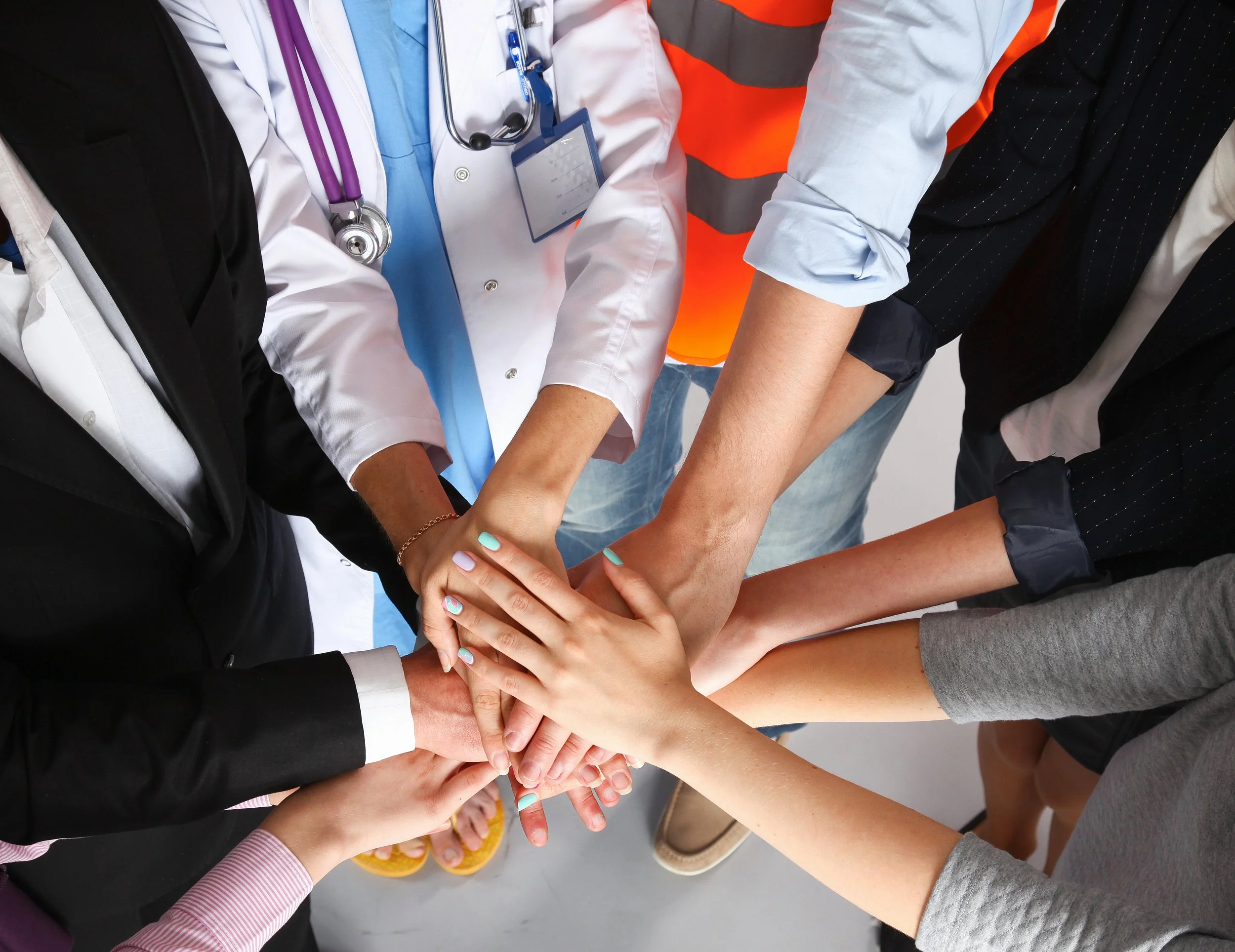
From supporting rural patients in Chamberlain to connecting the homeless with resources in downtown Sioux Falls, to interpreting and assisting refugees and immigrants, Community Health Workers (CHWs) are making an impact across South Dakota.
As one of the last states to introduce the CHW role, there has been tremendous growth within this role across South Dakota. Within the last year, over 120 CHWs have completed training and are currently working in clinics, hospitals, and community-based organizations.
A CHW is a frontline public health worker who is a trusted member of and/or has an unusually close understanding of the community served. This trusting relationship enables the worker to bridge the gap between communities and health/social service systems and improve the quality and cultural competence of service delivery.
The Avera Community Health Resource Center hired and trained 6 CHWs to help clients connect to jobs, as well as healthcare and other social services in the Sioux Falls community. Moses Idris, a CHW, lived in an Ethiopian refugee camp for 10 years and his experiences have given him perspective and empathy for others. “The CHW program has a great potential to help people live a healthier life and be productive members of our community,” said Moses.
When Benny Medrano joined the Sanford Chamberlain Clinic as a CHW, he quickly completed training and integrated into the care team. Through conducting home visits, Benny has been able to be the “eyes and ears” of the home environment and shares his findings with the healthcare team. Additionally, Benny is able to address social determinants of health needs for patients, such as finding food, transportation, and even furniture.
At Union Gospel Mission, Rochelle Williams, CHW, assists clients in navigating the complex process of finding affordable housing in the Sioux Falls Area. She works with clients to navigate the process of applying for housing and works with clients to address other social determinants of needs as they navigate from being homeless to housed.
These CHWs join over 85 Community Health Representatives (CHRs) located in 10 different tribal sites where they have worked in a similar capacity for decades. CHRs play a vital role by providing transportation for medical appointments, distributing food boxes, medication deliveries, and home visits for tribal members.
More information about CHWs, CHRs, Medicaid reimbursement, and the developing workforce can be found by accessing www.chwsd.org.