
Unexplained Infection Control Pattern Leads Team to Investigate Air Quality
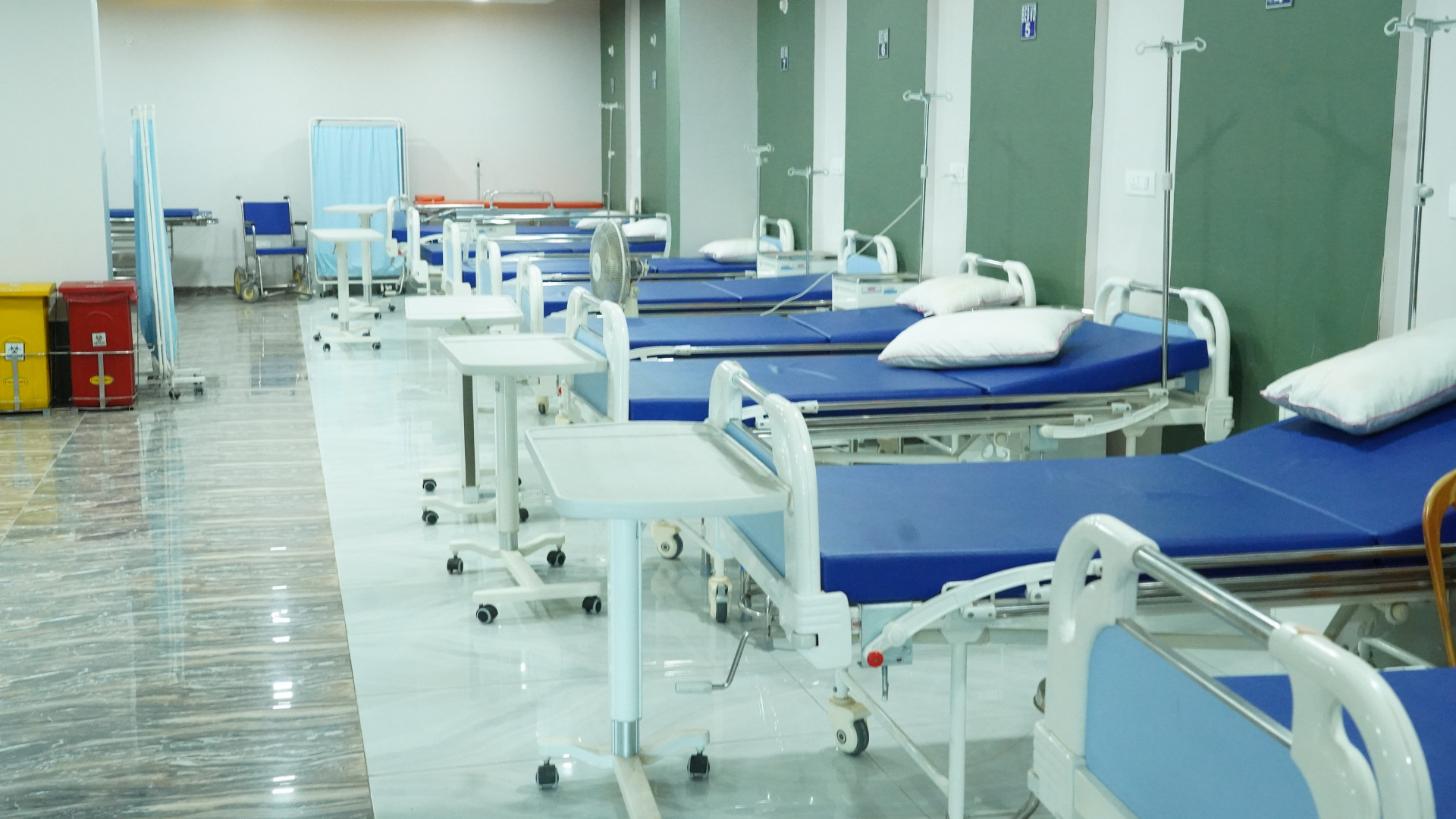
Every Wednesday morning, the infection control team met in a small conference room near the hospital’s laboratory wing.
The meetings usually followed the same rhythm. Data was reviewed, trends were discussed, and any unusual spikes in infection rates were flagged.
Most weeks, nothing stood out.
But this time was different.
A respiratory specialist noticed something unusual in the data.
Several patients in the same wing of the hospital had developed respiratory complications within a short period of time.
Not severe infections—just enough symptoms to raise questions.
At first, the team assumed coincidence.
Hospitals treat hundreds of patients each week. Patterns sometimes appear where none truly exist.
But as the team continued reviewing records, the same location kept appearing in their reports.
The same hallway.
The same patient rooms.
Looking Beyond the Obvious
Environmental cleaning protocols were reviewed first.
Everything checked out.
The rooms were being sanitized exactly according to hospital standards.
Next came patient risk factors.
But the patients affected had very different medical conditions.
There was no obvious connection.
Finally, one engineer asked a simple question.
“What about the air?”
An Invisible Investigation
The facility team installed particle counters in several areas throughout the wing.
What they discovered surprised them.
Microscopic airborne particles were circulating at levels higher than expected.
Nothing dramatic.
Nothing that would be visible to the human eye.
But enough to suggest that something in the ventilation system wasn’t performing the way it should.
The Filtration Problem
The hospital’s filters were rated for healthcare environments.
But testing revealed that their filtration efficiency had declined significantly since installation.
The filters relied on electrostatic attraction to capture particles.
Over time, that electrostatic charge had weakened.
As a result, more microscopic contaminants were moving through the ventilation system.
Why Consistency Matters in Healthcare
Hospitals depend on filtration systems to capture airborne particles that may carry bacteria or other contaminants.
If filtration performance declines, those particles can circulate longer than intended.
For healthcare facilities facing these challenges, maintained-efficiency filtration technologies are becoming increasingly important.
Filtration systems developed by Camfil use mechanical media that maintains particle capture performance throughout the life of the filter—helping hospitals maintain cleaner air for patients and staff.