
Hospital Wing’s Persistent Heavy Air Raises Concern
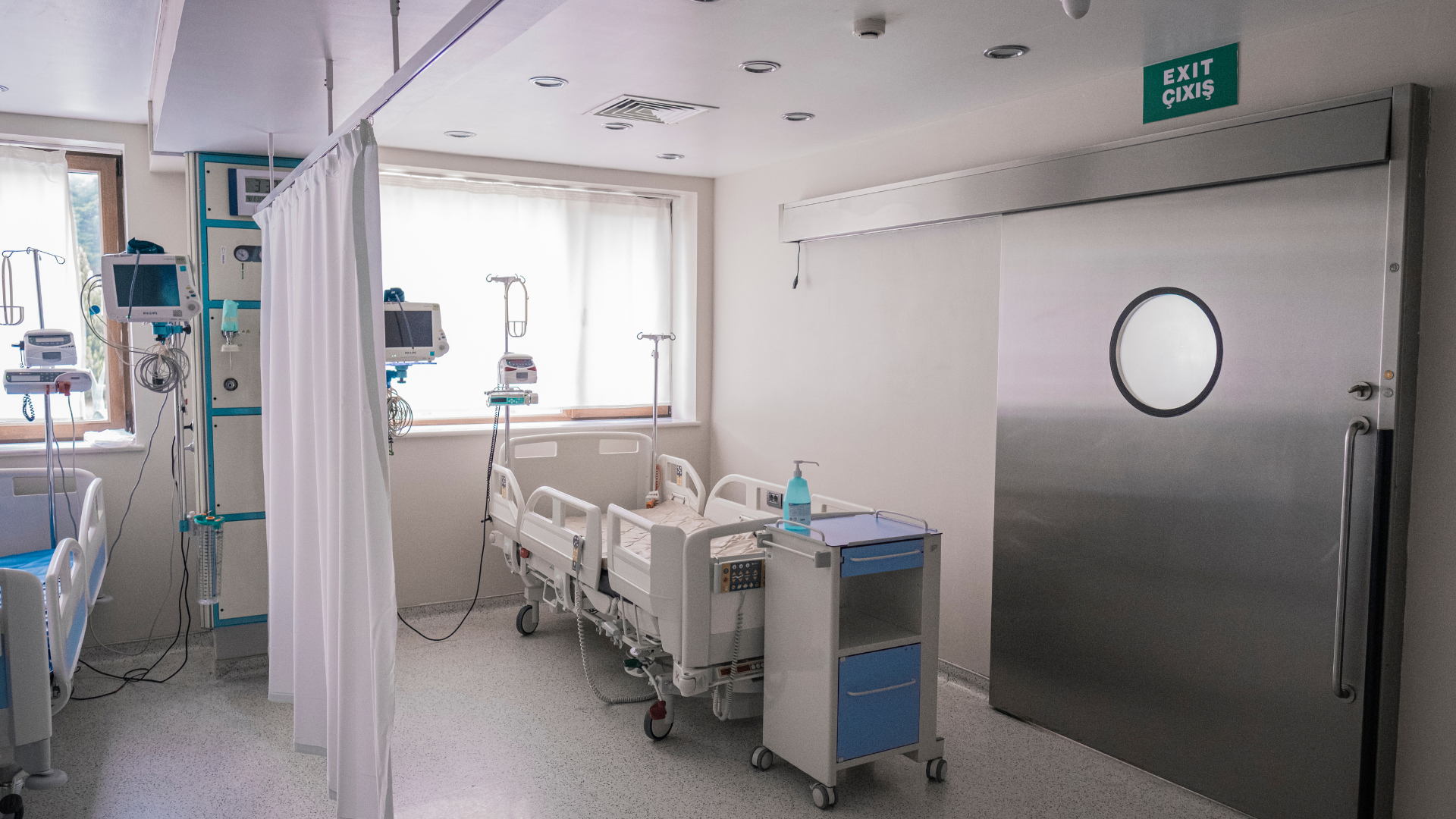
Nurses working the evening shift had started mentioning it casually.
“The air feels strange in here tonight.”
Patients sometimes said the same thing.
Not bad air.
Just… heavier than usual.
At first, staff assumed it was simply fatigue.
Hospital shifts are long, and certain wings can feel warmer or busier depending on the day.
But after several weeks of hearing the same comment, a maintenance supervisor decided to take a closer look.
Everything Looked Normal
The HVAC system was inspected.
Airflow measurements were taken.
Temperature and humidity were exactly where they should be.
On paper, the ventilation system was performing perfectly.
Yet something still felt different in that hallway.
So the engineering team tried something they rarely needed to do.
They measured airborne particle levels.
What the Sensors Revealed
The particle counters showed that the air in that wing contained a higher concentration of microscopic particles than other parts of the hospital.
Dust, skin cells, fibers, and other airborne contaminants were circulating more freely than expected.
None of it was visible.
But over time, these particles can accumulate in indoor environments.
And when they do, people often notice the change.
The Role of Filtration
When engineers inspected the air filters serving that section of the hospital, they found the root of the problem.
The filters had lost much of their original efficiency.
Although they had been rated for high filtration performance, the electrostatic charge used to capture particles had weakened.
This allowed more microscopic contaminants to pass through the system.
A More Reliable Approach
Hospitals seeking more consistent air quality are increasingly turning to maintained-efficiency filtration technologies.
Filters engineered by Camfil rely on mechanical filtration media designed to maintain particle capture performance throughout the filter’s lifespan.
For healthcare facilities, that consistency helps maintain the clean, comfortable environments patients and staff depend on.