
From Bedside to ‘Webside’
How Sanford Health is Expanding Care Access in Rural North Dakota and Beyond
By Alex Strauss
Endocrinologist David Newman, describes himself as a "die-hard Midwestern Dakotan". Newman grew up in Fargo and became an endocrinologist to take care of people in his home area. What he didn’t anticipate was how far many of those people would have to travel just to sit in his exam room.

“I noticed early in my career that patients were driving hundreds of miles in one direction to see me as a subspecialist,” says Newman, who is now Chief Medical Officer of Virtual Care at Sanford Health and assistant professor at the University of North Dakota School of Medicine & Health Services.
"So I decided that I needed to think differently. I needed to start thinking ‘How can I give my patients the best care regardless of their zip codes?’”
That has been the driving question for Sanford Health’s virtual care program from its earliest days. Since the program launched in 2011, Sanford has logged more than one million virtual care visits spanning nearly 80 specialties, saved patients more than 56 million miles of travel, and delivered an estimated $41 million in patient travel savings in 2025 alone.
Dr. Newman says, for many rural patients, the alternative to a virtual visit isn’t a long drive. “A lot of times, it’s virtual care or no care at all,” says Dr. Newman. “That reality has pushed us to innovate out of necessity.”
A Long Time Coming
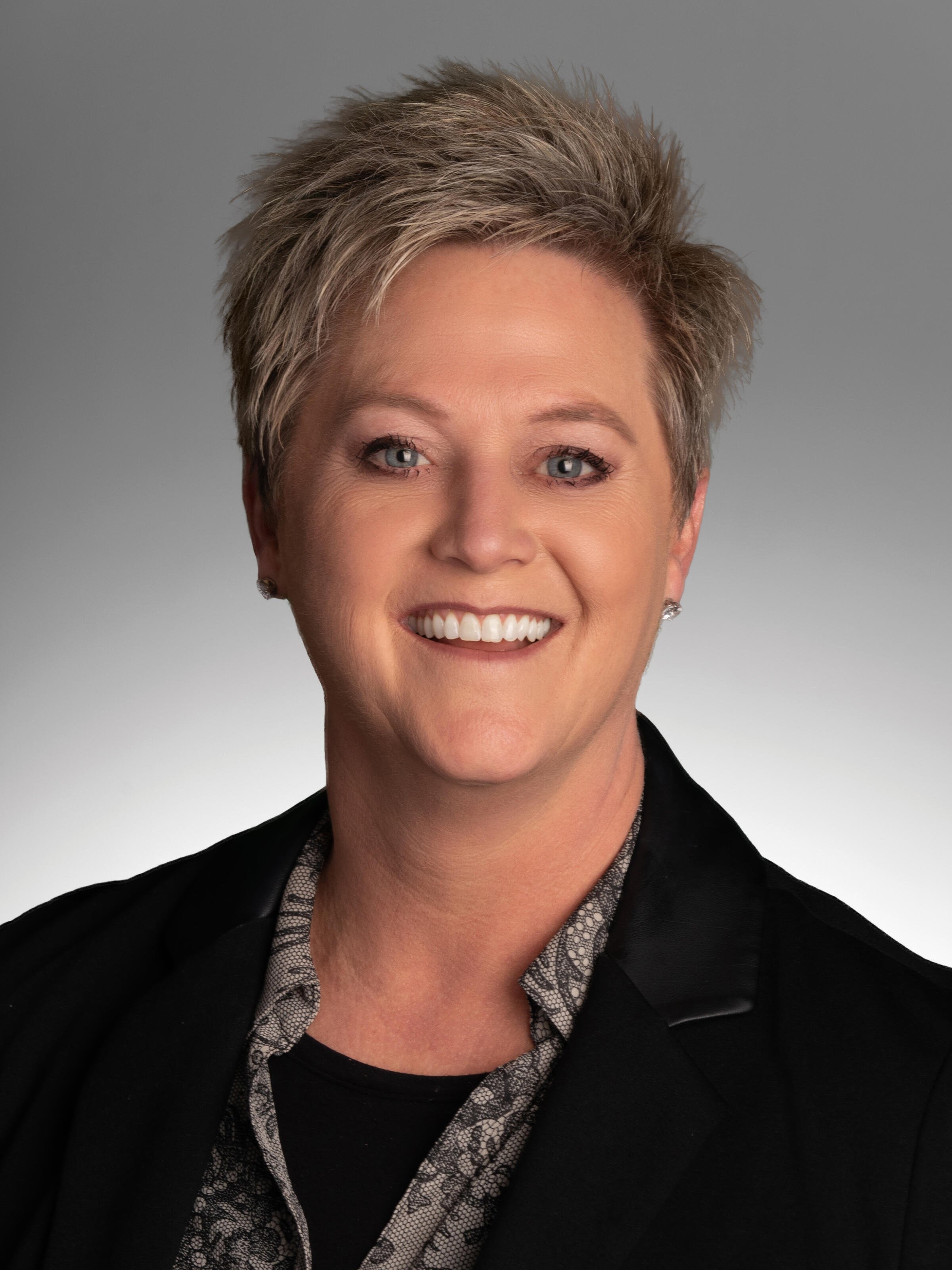
Susan Berry has had a front-row seat for the evolution of virtual care at Sanford. As Vice President of Operations for Virtual Care, she’s been with the organization for 15 years — long enough to remember when this concept was foreign to most providers.
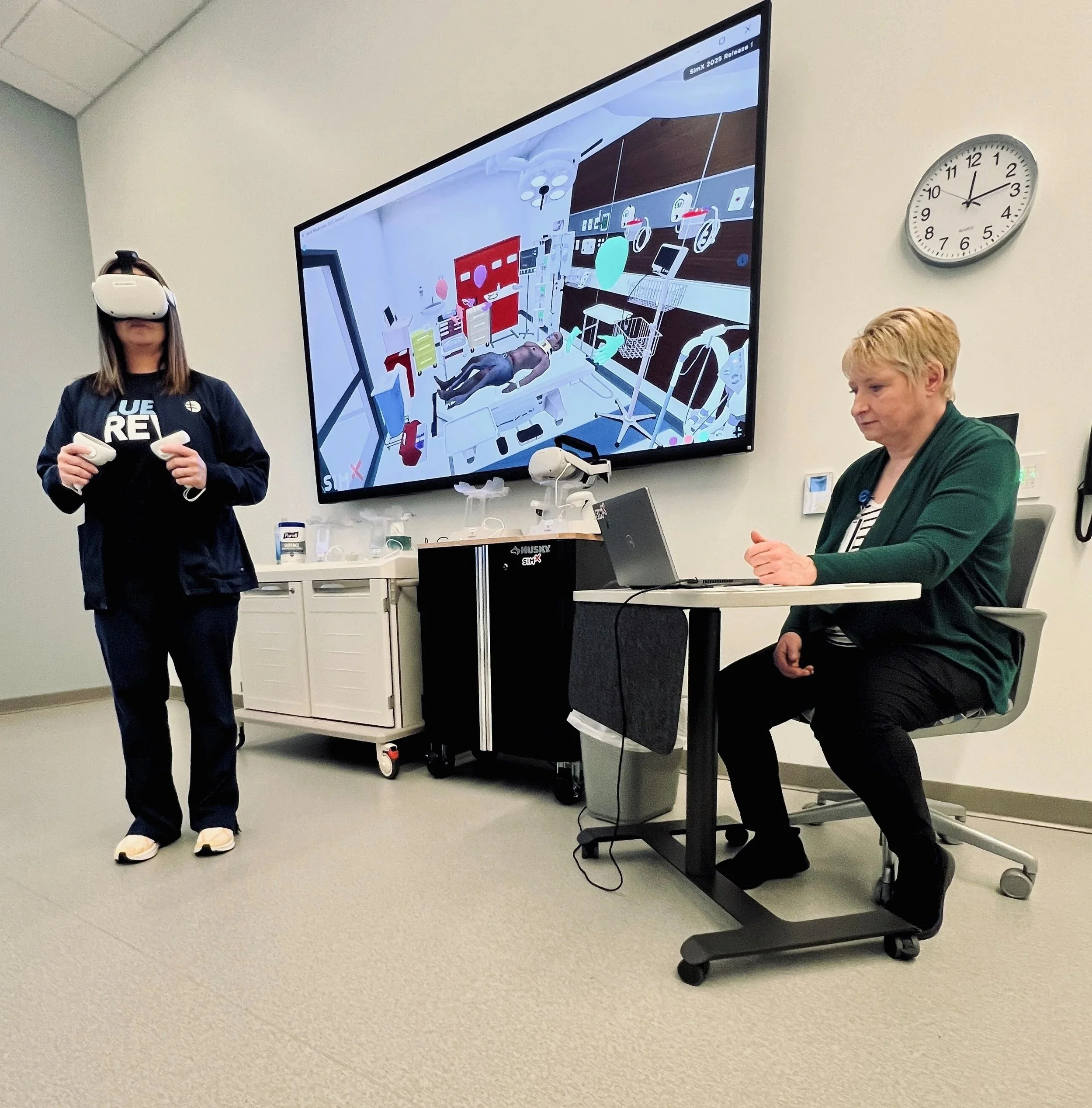
“Fifteen years ago, virtual care was not mainstream at all,” she says. “So we had to find providers and clinicians who were willing to be early adopters and had that vision.”
Before a single provider could say yes to seeing patients virtually, an enormous infrastructure had to be built including IT platforms, credentialing and billing systems, licensure across multiple states, etc. The technology was expensive, and federal funding was essential in the early years.
“As providers found that they could be successful doing this and reaching their patients where they were, it slowly started catching on,” says Berry. “More providers started thinking about how they could make this a regular part of their practice.”
Then came COVID-19, the accelerant that no one wanted. “The pandemic put our virtual program on steroids,” Berry says. “We scaled very quickly because it was the only way many of our providers could deliver care at that time. But that experience helped them see that they could deliver high quality care to their patients where they were.”
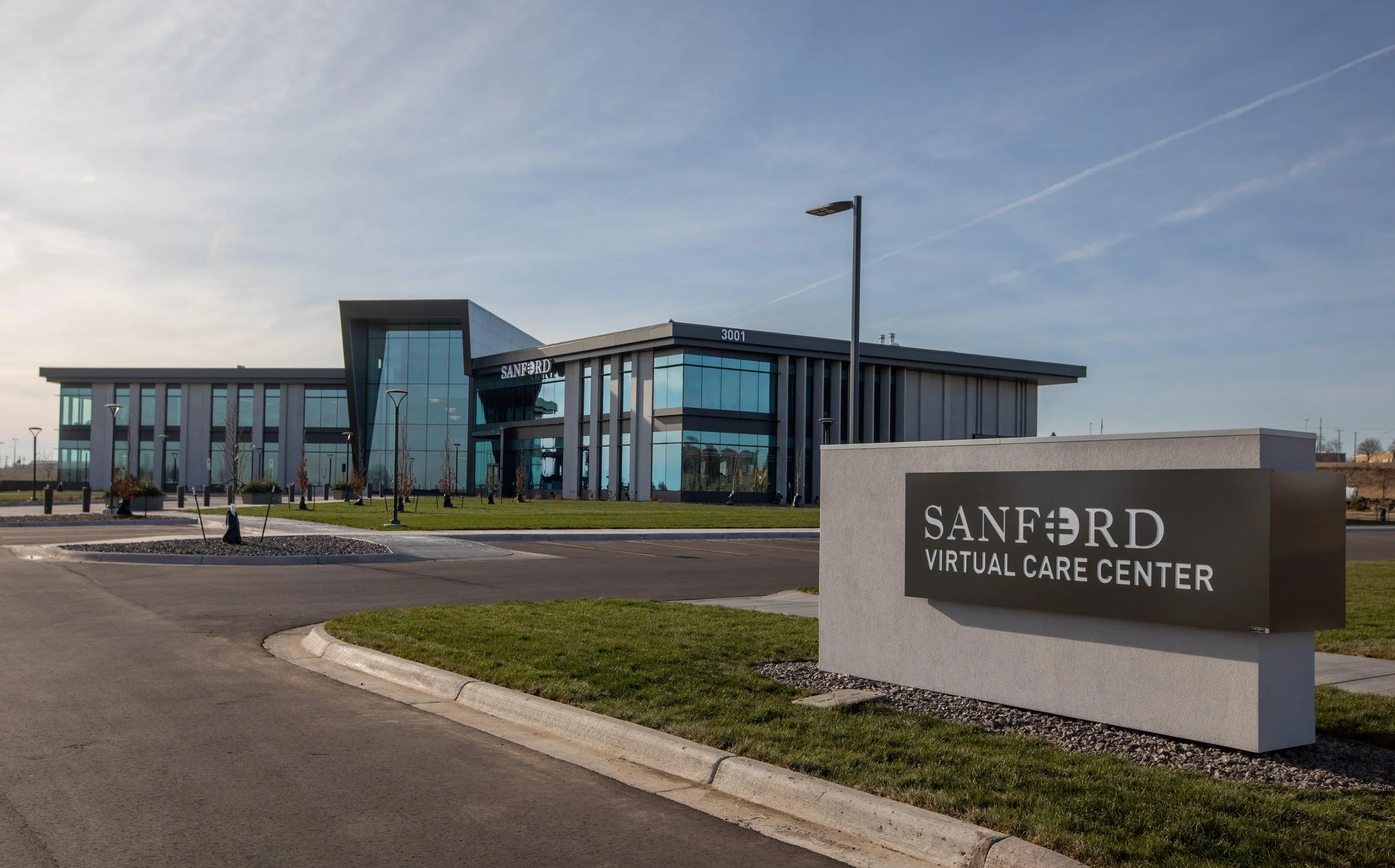
A $350 million investment from Denny Sanford in 2021 took the program to yet another level. The opening of Sanford’s Virtual Care Center in November 2024 created a centralized hub for the entire enterprise, a brick-and-mortar home base for a very non-brick-and-mortar model of care.
More Than Miles Saved
The numbers behind Sanford’s virtual care program are striking — but Newman thinks there should be even more emphasis on the patient perspective.
“There’s a lot of talk about how we spend money but there’s not much talk about how we save patients money,” he says. “Like how we can prevent them from having to pay for a hotel, or buy three fast food meals, or board their dogs, or miss their kid’s sporting event.”
Each virtual visit at Sanford saves patients an average 176-mile round trip and roughly $273 in travel-related costs. In 2025 alone, that added up to $41 million in savings across the patient population.
Nearly 80 specialties are now represented in Sanford’s virtual care program, from nephrology (including patients managing home dialysis) to oncology follow-up appointments completed from a patient’s home or local clinic.
Berry points to one Sanford pediatric pulmonologist as a particularly vivid example, a single provider now seeing patients from Rapid City all the way to the Canadian border. It's made possible by peripheral devices that include a stethoscope, otoscope, blood pressure cuff, and other tools you'd find in an exam room.
But behavioral health may be the most compelling story of all. With persistent stigma, a severe provider shortage, and patients who have historically fallen through the cracks, virtual care has opened a door that was previously closed for thousands.
“Since we started, 14,000 people who have never gotten behavioral healthcare before saw a provider for the first time,” says Newman.
For critical access hospitals dealing with a surge of behavioral health patients in their emergency departments, Sanford has established a program that puts a psychiatrist in front of those patients virtually within an hour. And in places where rural labor and delivery units have closed, Berry says virtual prenatal care has stepped in to help fill the gap.
Changing Minds One Blizzard at a Time
Although not every provider has come to virtual care enthusiastically, Dr. Newman says resistance tends to have a shorter shelf life than people might expect.
“I had a buddy who said ‘I could never do that!’,” says Newman. “Until we had a blizzard.”
But more often than not, the turning point is patients themselves. “Clinicians overwhelmingly just want the best for their patients," says Newman. "So when the patients start asking if they can do this, that has been the biggest motivator.”
And as Dr. Newman himself has discovered, the clinical relationship can even deepen in a virtual setting.
“I had a patient who was always anxious in the office, shuffling their feet, fidgeting, looking around the room," he says. "So I suggested we try virtual visits. When they got on the phone, they had their cat in their arms, they were looking straight at the camera. Our relationship is so much better because I'm now meeting them on their turf."
Teaching ‘Webside Manner’ — and Keeping Good Doctors in the Game
One of the less obvious benefits of Sanford’s virtual care program is what it’s doing for workforce, both in preparing the next generation of providers and in extending the careers of experienced clinicians who might otherwise be winding down.
Newman tells the story of a 68-year-old family practice physician, a talented, experienced doctor who had started thinking about retiring.
"He came to me and asked if he could do virtual care for a day or two a week from his lake cabin," says Newman. "I said absolutely you can! So it's even helping to extend careers."
For providers new to virtual care, Sanford has built out a comprehensive training program. “When I went to med school, I was taught bedside manner,” says Dr. Newman. “But no one taught me ‘webside manner’. So we developed our own curriculum on this. We can teach providers how to be empathetic through a computer screen, as well as everything else they need to know to be successful.”
“It is not getting easier to recruit workforce to rural areas,” says Berry. “But it is really important for patients to be able to receive the same high quality care regardless of where they are.”
The Right Care, Right Place, Right Time
Sanford's virtual ambitions extend well beyond its own footprint. The organization is already partnering with other health systems that lack certain subspecialties, offering them access to Sanford’s virtual expertise.
“In my mind it’s inexcusable to transfer a patient for a service that can be delivered virtually,” says Newman.
For a health system that aspires to be the best rural system in the country, virtual care isn’t a workaround to get there. It’s the model.
“The point is to offer the right care for the right patient at the right time and place,” says Newman. “When patients realize that healthcare can be easy like this, why would we go backwards?”