
Dermatology Clinic Expands Care With New Lightbox Treatment Option
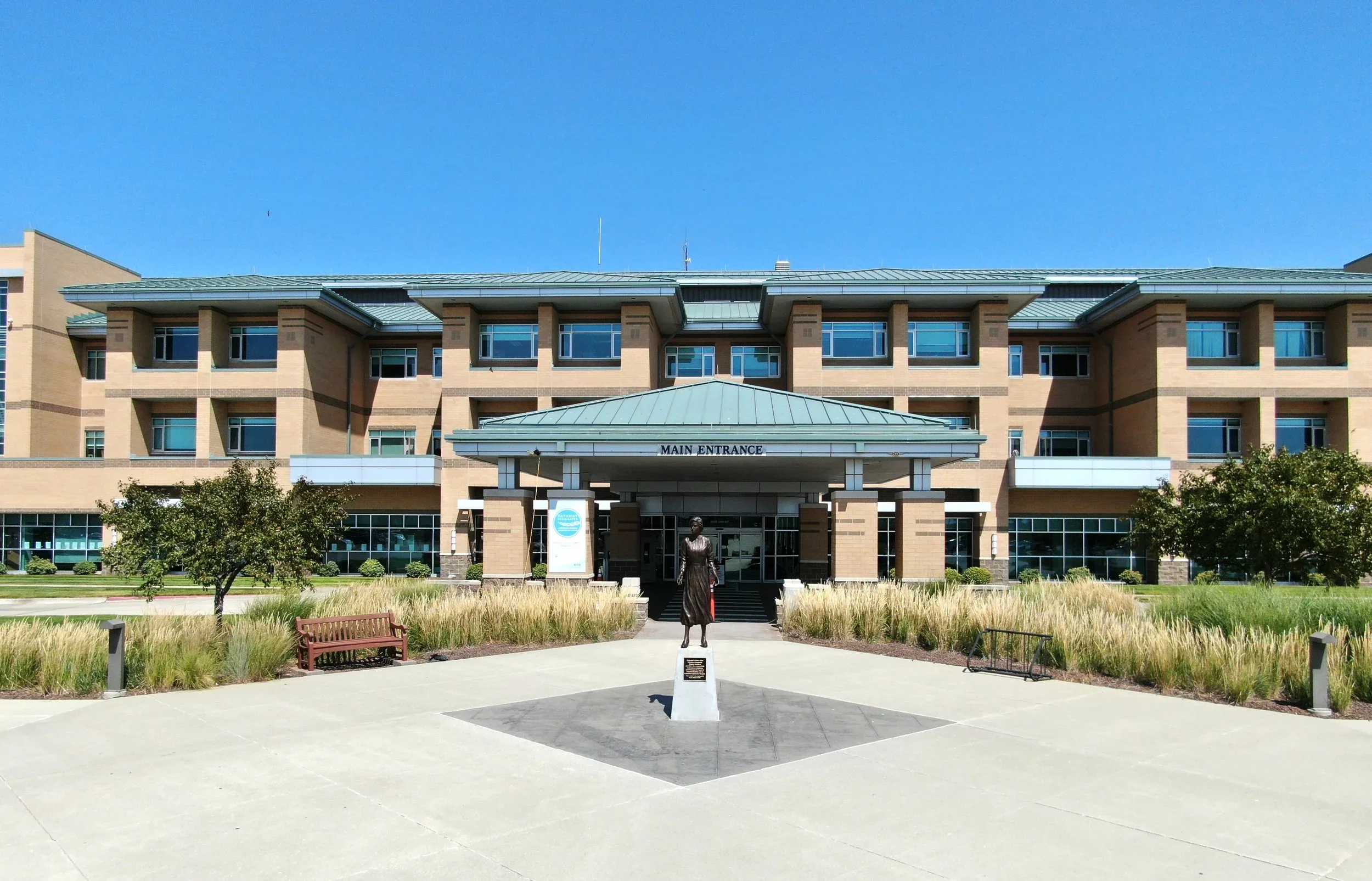
Patients with psoriasis and eczema now have a new option for reducing inflammation at Columbus Dermatology Clinic.
Narrowband UVB (NB-UVB) is a light-based treatment that uses a wavelength of ultraviolet B light (~311 nm) to decrease inflammation in the skin. In addition to psoriasis and eczema, it can also relieve symptoms of vitiligo, pruritus (itch), lichen planus, cutaneous T-cell lymphoma (CTCL) and other skin conditions.
“I think NB-UVB is a great medical management option to be able to offer in the area,” said Dillon Clarey, MD, the clinic’s dermatologist. “I have diagnosed many cases of guttate psoriasis, large-body surface area plaque psoriasis and eczema, vitiligo, CTCL and refractory itch that I think would benefit from the treatment.”
Patients who decide to undergo NB-UVB will need two to three sessions per week over the course of 12-16 weeks. Their first few treatments start with just a few seconds of light at a time; by the end of the treatment cycle, they will be exposed to light for several minutes (while under the protection of eye coverings).
The treatment is considered to be completely safe, with possible side effects of mild redness and dry or itchy skin.
“It is not feasible for individuals who have these conditions to travel to other clinics because of the number of sessions required,” said Clarey. “Additionally, an at-home lightbox can take up too much space in a residence. So, it’s especially helpful for us to be able to offer the treatment here.”
The addition of an in-clinic lightbox now allows patients to receive consistent, supervised care in a convenient, local setting, improving both outcomes and ease of treatment.
“This is an important step forward in expanding access to advanced dermatology care in our community,” said Nancy Rinkol, practice manager of the clinic.
For more information about Columbus Dermatology Clinic, visit columbusdermatology.org.