
Columbus Community Hospital Athletic Training Program Supports Athlete Safety
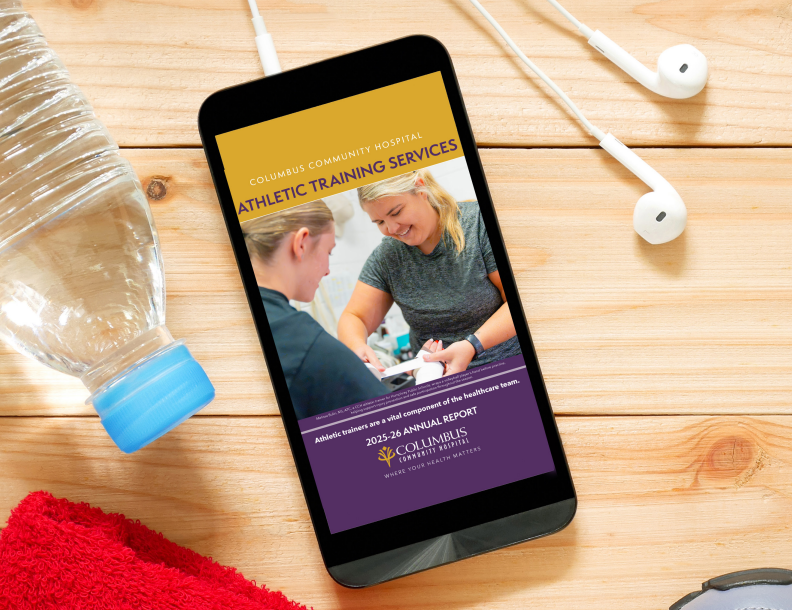
Columbus Community Hospital's athletic training program continues to expand its impact across the region, strengthening access to sports medicine services and supporting the health and safety of student-athletes, according to its 2025-26 annual report.
The program serves 14 schools and educational institutions throughout Nebraska, including Columbus High School, Lakeview High School, Central Community College, Pierce High School and several rural school districts. Through on-site care and collaboration with healthcare providers, athletic trainers help athletes prevent injuries, recover from setbacks and safely return to activity.
The report highlights the program's continued growth, including expanded coverage at Pierce High School and strong partnerships among athletic trainers, physicians, therapists and school leaders.
“Athletic trainers do far more than respond to injuries,” said athletic trainer Denise Marshall. “They build relationships, create safer environments and help student-athletes perform at their best, both on and off the field.”
Marshall said bringing healthcare resources directly to schools helps improve access to care while allowing athletes to remain active in their communities.
“We are helping athletes stay healthy, recover safely and continue doing what they love close to home,” she said.
The collaborative approach between athletic trainers and healthcare providers is one of the program's greatest strengths.
“Athletic trainers are often at the front lines of sports-related injuries, and are essential to the timely diagnosis and treatment of student-athletes,” said Dr. Michael Pitner, an orthopedic surgeon at Columbus Orthopedic & Sports Medicine Clinic. “The integration of athletic trainers, physical therapists and physicians at Columbus Community Hospital allows for seamless continuity of care for even the most complex athletic injuries, all under one roof.”
Emergency preparedness remains a key component of the program. Athletic trainers work with each school to develop and maintain Emergency Action Plans that help ensure a coordinated response to injuries and medical emergencies. Schools also benefit from advanced weather monitoring tools and heat illness prevention resources that support safer participation in athletics year-round.
“Every practice, game and training session is an opportunity to make a difference,” said Rob Marshall, director of the Columbus Fieldhouse. “Our athletic trainers are committed to protecting the health and well-being of the athletes and communities we serve.”
To learn more about athletic training services or view the 2025-26 annual report, visit columbushosp.org/about-us/reports/athletic-training-annual-report/.