
CHI Health Raises Sepsis Awareness With T.I.M.E. Warning Signs
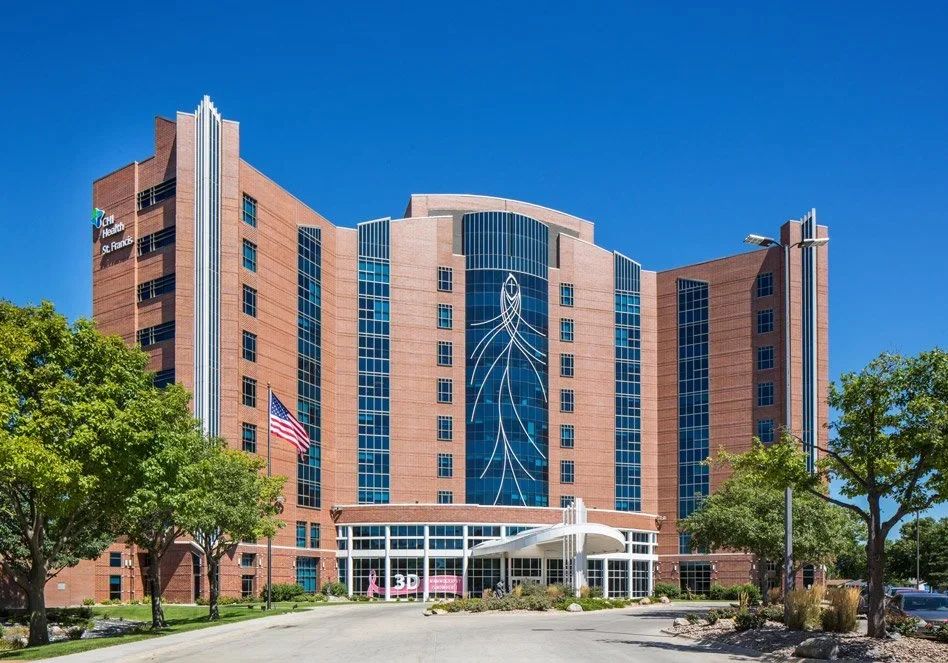
Each year in the United States, at least 1.7 million adults develop sepsis, resulting in at least 350,000 deaths. To protect lives, CHI Health Good Samaritan and CHI Health St. Francis are raising awareness on how to identify and respond to this critical medical emergency.
Sepsis is the body's extreme, life-threatening response to an infection. It occurs when an existing infection triggers a chain reaction, potentially leading to tissue damage, organ failure and death, if not treated immediately.
"Sepsis is a critical issue for communities across the nation," says Barb Nickel, Clinical Nurse Specialist, CHI Health St. Francis. "As healthcare providers, we witness its devastating effects and are called to take every step possible to protect our community."
CHI Health has effective and standardized care to identify and treat sepsis and related infections, including a multi-disciplinary team that monitors patients from arrival to the hospital to the day of discharge.
While anyone can get sepsis, those at highest risk include older adults (65-plus), pregnant women, infants, children and any individual with weakened immune system or chronic health condition. Common infections that can escalate into sepsis include those of the lungs (pneumonia), the urinary tract (kidney/bladder), the gastrointestinal system (appendicitis/diverticulitis) and the skin (infected wounds or burns).
If sepsis is suspected, the community is urged to take immediate action: call 911 or seek care at the nearest emergency department right away.
CHI Health also suggests using the T.I.M.E. acronym to recognize the warning signs:
T – Temperature: An abnormally high or low body temperature.
I – Infection: Presence of infection symptoms or signs.
M – Mental Decline: Experiencing confusion, extreme sleepiness or difficulty waking up.
E – Extremely Ill: Severe pain, intense discomfort or shortness of breath — frequently expressed as "I feel like I might die."
To help prevent infections from developing or worsening, CHI Health recommends taking the following precautions:
Wash hands frequently.
Keep cuts and scrapes clean and covered until healed.
Keep up with routine medical care and recommended vaccinations.
Seek medical attention immediately if you suspect you have an infection that is worsening.
When your provider prescribes antibiotics, follow their instructions carefully. Do not stop taking antibiotics once you begin to "feel better" since the infection may worsen if therapy is stopped early.
"Even a simple infection such as a skin or bladder infection can progress to sepsis ," says Dr. Kyle Rupp, Emergency Medicine, CHI Health Good Samaritan. "Contact your provider early for treatment of infections and seek medical assistance for worsening symptoms. Early intervention is one of the most important factors in surviving sepsis and preventing long-term complications."