
Avera St. Luke’s Partners With Emily’s Hope to Expand Access to Free Naloxone
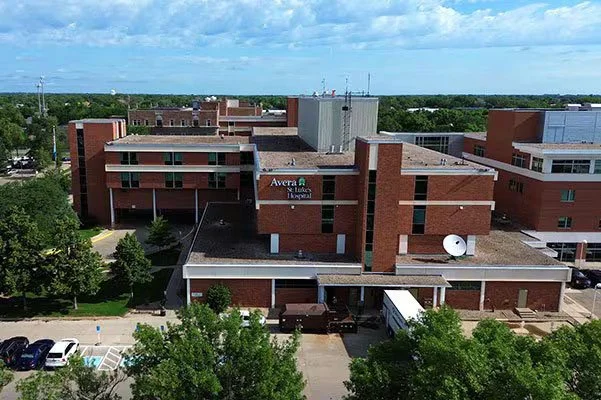
Avera St. Luke’s has now partnered with Emily’s Hope to make free naloxone, also known as Narcan®, available. The distribution box is located inside of the Emergency Room entrance (Door 1) near admitting.
Naloxone can save a life if someone takes too many opioids (like pain pills or heroin) by reversing opioid effects and helping the person to wake up and start breathing properly. It’s a nasal spray with no needles involved. While it can be lifesaving for someone who is overdosing, it also doesn’t hurt someone if they aren’t truly overdosing.
“We’re grateful for the opportunity to partner with Emily’s Hope as this reflects our shared commitment to prevention and community health,” said Dan Bjerknes, Avera St. Luke’s Regional President and CEO. “Placing naloxone where people can easily access it helps reduce stigma and empowers community members to take action in an emergency.”
Emily’s Hope, a non-profit helping remove the stigma of substance use and addiction, provides the free naloxone kits and is going to continue keeping the distribution boxes restocked.
In October, naloxone distribution boxes were installed at Avera Behavioral Health Urgent Care – 69th Street, Sioux Falls; Avera McKennan Hospital & University Health Center Emergency Department, Sioux Falls; and Avera Sacred Heart Hospital Emergency Department, Yankton. Avera Missouri River Health Center in Gettysburg also recently received a distribution box.
Naloxone is also available at most pharmacies (just ask). You can find a pharmacy near you at letsbeclearsd.com/prevention/reverse-overdose or request online through Emily’s Hope. A map of naloxone distribution locations is available at emilyshope.charity/find-narcan.
The naloxone distribution program is a collaboration between Emily’s Hope, the South Dakota Department of Health, the Department of Social Services, the South Dakota Office of the Attorney General and local partners such as Avera.
Opioids are highly addictive narcotics commonly prescribed for severe pain. And even though they provide relief for those struggling, they must be used with extreme caution. Opioids are a major contributor to fatal overdoses in South Dakota.
Everyone is encouraged to carry naloxone with them, especially anyone who lives with or knows someone at risk for opioid overdose. Signs of an opioid overdose:
Very slow or no breathing
Small, tiny eye pupils
Weird snoring or gurgling
Cold or blue skin
Won’t wake up
Limp body
If you see these signs, call 911 right away and administer naloxone.