
Air Quality Appeared Normal—Until Particle Counter Detected Hidden Risks
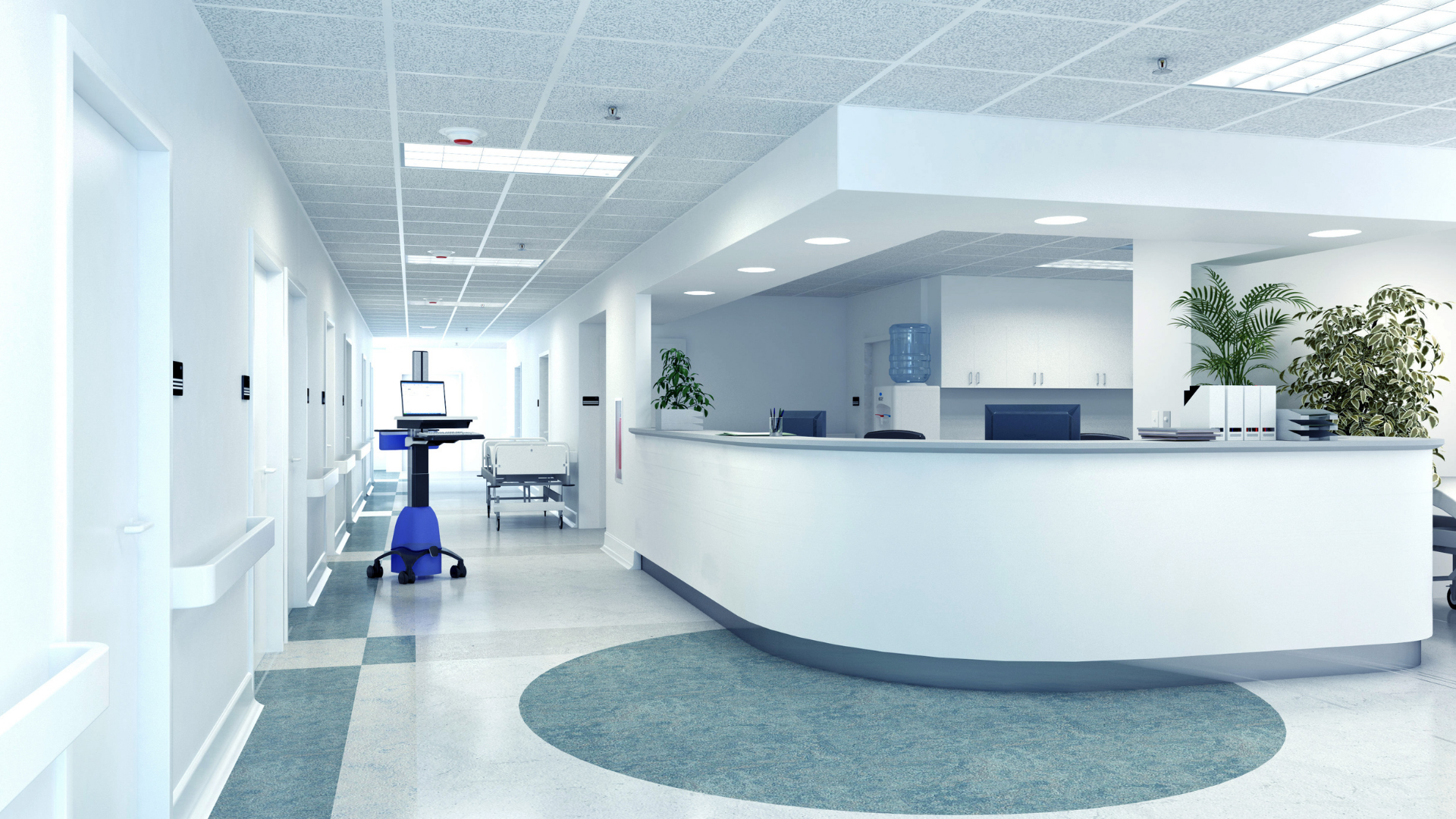
It was supposed to be a routine check.
The hospital had just completed a ventilation upgrade in one of its patient care corridors. The engineering team had spent weeks balancing airflow and installing new filters.
Everything looked perfect.
But before signing off on the project, the lead facility engineer decided to run one last test.
He wheeled a small handheld particle counter into the hallway and powered it on.
Within seconds, the machine began to beep.
Numbers started climbing on the screen.
Hundreds… then thousands… of microscopic particles floating through the air.
To the naked eye, the corridor looked spotless.
But the air told a different story.
The World You Can’t See
Most people assume clean-looking air means clean air.
In reality, hospital air can contain enormous numbers of microscopic particles.
Some come from outside pollution entering through ventilation systems.
Others come from everyday hospital activity:
clothing fibers
bedding particles
skin cells
equipment movement
tiny droplets released when people speak or breathe
Many of these particles are incredibly small.
Some are only 0.3 microns in diameter—far too small to see.
But these tiny particles can travel through ventilation systems and circulate through patient areas if filtration systems fail to capture them.
When Filters Lose Their Edge
When the engineering team inspected the filters installed in the ventilation system, they discovered something important.
Although the filters had been rated for high efficiency, their performance had declined significantly after installation.
The filters relied on electrostatic attraction to capture particles.
Over time, the electrostatic charge had weakened.
Without that charge, the filters were allowing far more microscopic particles to pass through than expected.
Filtration That Works in the Real World
Hospitals increasingly recognize that filtration systems must maintain their performance throughout their lifespan—not just during laboratory testing.
High-performance filtration systems engineered by Camfil use mechanical filtration media that physically captures particles rather than relying on temporary electrostatic charges.
That means the filters maintain their efficiency under real-world hospital conditions.
For facilities responsible for protecting patient environments, that consistency can make a meaningful difference.